


Trump's 'Chess Match': US Options in Iran Conflict Continue Amidst Escalating Demands
Translated from German, summarized and contextualized by DistantNews.
At a glance
News
Sources not specified
Ongoing story
- The Iran conflict, initiated by U.S. President Donald Trump with an expected four-to-five-week duration, has continued for nearly six months with reduced intensity.
- Iran has escalated its demands, seeking billions in compensation, release of frozen funds, and withdrawal of U.S. troops, while Trump has demanded financial compensation for victims of the past 50 years.
- The U.S. faces strategic options including full escalation with ground troops, though this is risky due to potential casualties and low ammunition reserves, or maintaining the status quo, which is likely given Iran's financial strain from U.S. blockades.
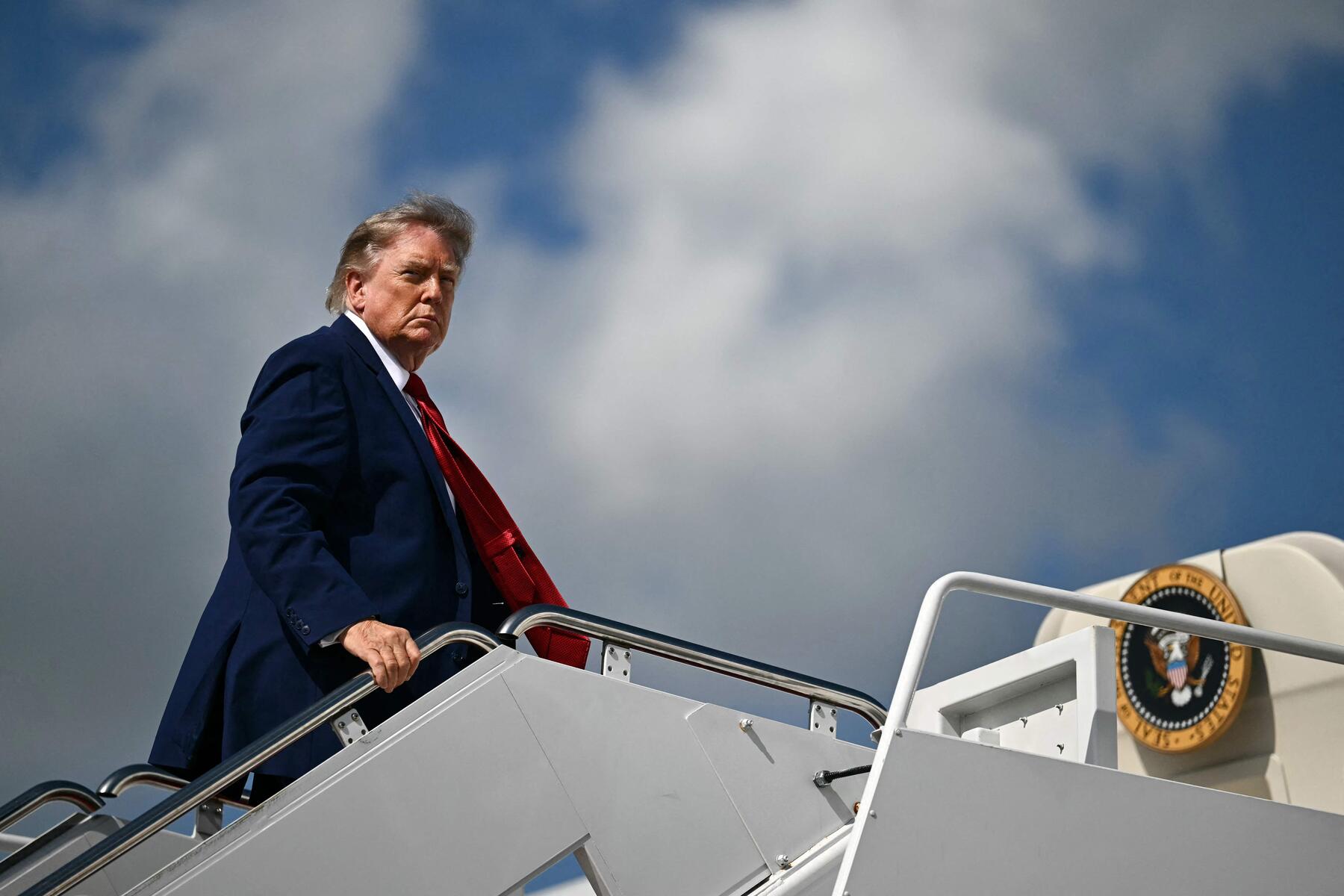
The protracted conflict with Iran, initially anticipated by U.S. President Donald Trump to last mere weeks, has now stretched for nearly half a year. While the intensity has waned, Iran's demands have escalated significantly. Tehran seeks billions in compensation, the release of frozen assets, and a complete withdrawal of U.S. forces from the region. Trump, in turn, has publicly demanded financial reparations for families of fallen demonstrators and U.S. soldiers over the past five decades.
Both sides appear to understand that their respective demands are unattainable. This exchange serves as a signal of their willingness to prolong the conflict. Despite the war's unpopularity in the U.S. and potential electoral setbacks for Republicans in the upcoming November midterms, Trump retains several strategic options.
One possibility is a full-scale escalation, including the deployment of U.S. ground troops. While Trump has historically pledged to withdraw from international conflicts, this option remains on the table. His top advisors, including Chief of Staff Dan Caine, are reportedly tasked with preparing for such a scenario. Influential Republicans, speaking privately, suggest that Trump might prioritize his political legacy and a definitive resolution in Iran over election outcomes.
Four to five weeks, the Iran war will last.
However, a full escalation carries substantial risks, including significant U.S. casualties. Reports also indicate dwindling reserves of weapons and missile defense systems. Although production is ramping up to replenish stocks, it will take months or years to restore the arsenal to pre-war levels. Furthermore, the U.S. continues to assess Iran's military capabilities as highly dangerous. This concern was evident in July when Trump was reportedly moved to a smaller aircraft via a catering container for his flight out of Ankara after a NATO summit, out of fear of a potential attack on Air Force One.
The most probable course of action, at least for the time being, is maintaining the status quo. Trump himself noted on Truth Social that "Iran has no money." The Wall Street Journal estimates that Tehran is losing $435 million daily due to the U.S. blockade of the Strait of Hormuz. Inflation in Iran is reportedly out of control, unemployment is rising rapidly, and the country faces increasing economic hardship.
Iran has no money.
DistantNews Editorial
Originally published by Die Presse in German. Translated, summarized, and contextualized by our editorial team with added local perspective. Read our editorial standards.
More Stories

From Our Blog

What Gets Lost (and Found) When News Is Translated

The Critical Role of Diaspora Media in Global News

What Travellers Should Know About Countries with Restricted Press

A Digital Nomad's Guide to Following Local News

How the Same Story Looks Different in Different Countries
