

Trump's China Election Claims Fuel Scapegoat Fears Among Asian-Americans
Translated from English, summarized and contextualized by DistantNews.
At a glance
News
Named sources
Context piece
- U.S. President Donald Trump accused China of interfering in American elections, sparking fears among Chinese-Americans of becoming scapegoats.
- Trump alleged that China orchestrated the "largest compromise of election data in history."
- Community leaders worry that unsatisfactory midterm election results could lead to increased targeting of the Chinese-American community.
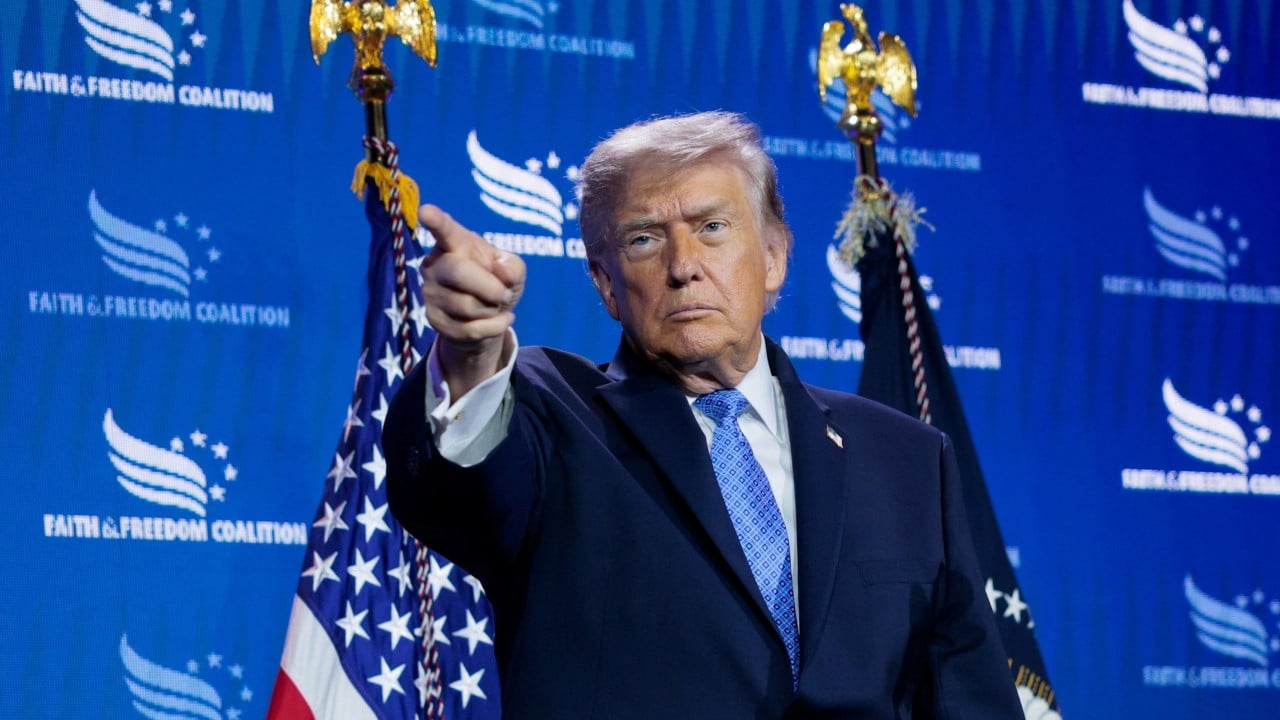
President Donald Trump's accusations of Chinese election interference have ignited concerns within the Chinese-American community, with many fearing they will be unfairly blamed if the upcoming midterm elections do not yield favorable results for the White House.
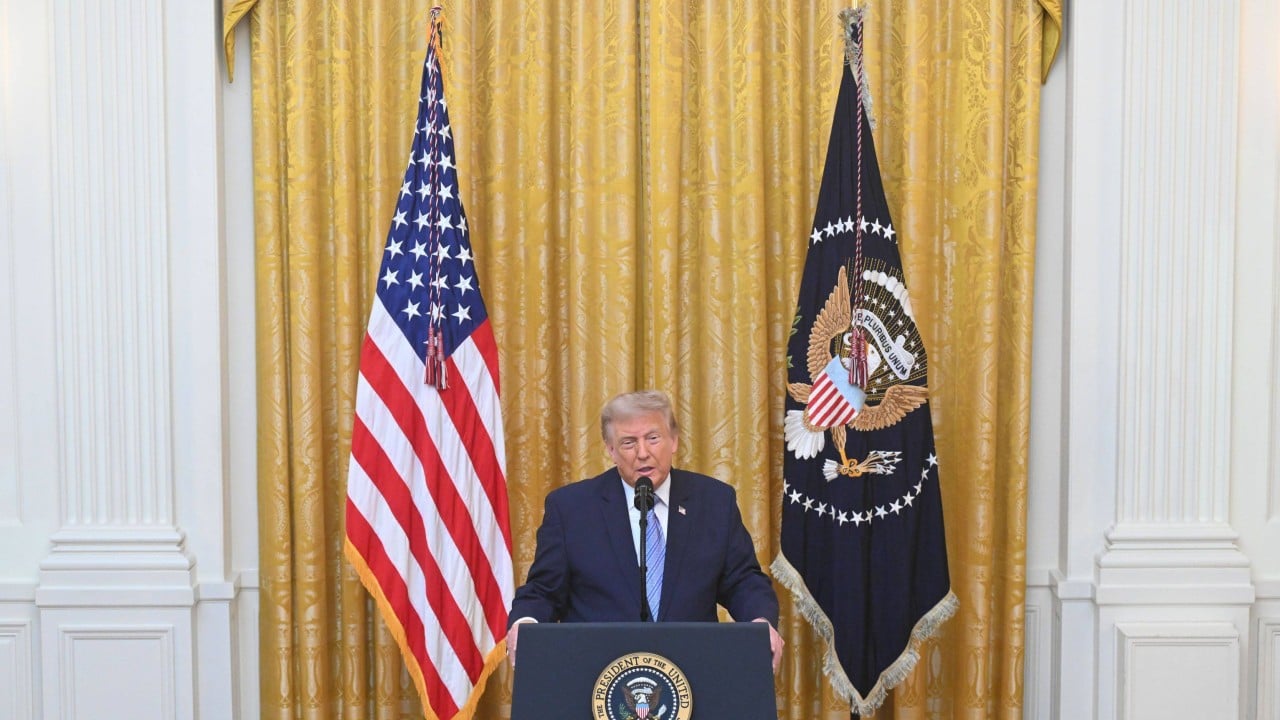
In a strong address to the nation, Trump leveled unprecedented criticism against Beijing, alleging that China was responsible for the "largest compromise of election data in history." He declared an end to U.S. complacency regarding Chinese interference, framing the issue as a significant threat ahead of the crucial November midterms. This confrontational stance marked one of the most direct challenges to Beijing during Trump's presidency.
The first-generation Chinese immigrants like me are the easy targets because we still have many family ties in China. Whenever Trump didn’t do well in the election, he would need a scapegoat. We are likely going to be the primary target again this time. It is like our original sin.
Annie Guo, a Chinese immigrant who has lived in the U.S. for over two decades, expressed her anxiety, particularly for first-generation immigrants like herself. "The first-generation Chinese immigrants like me are the easy targets because we still have many family ties in China," Guo stated. "Whenever Trump didn’t do well in the election, he would need a scapegoat. We are likely going to be the primary target again this time. It is like our original sin."
Since Covid-19, we have experienced many waves of hate crimes towards Asian-Americans. I think more will come.
Guo also noted the rise in hate crimes against Asian-Americans since the COVID-19 pandemic, expressing fears that Trump's rhetoric could exacerbate such incidents. However, she remains hopeful, believing that many Americans possess common sense and can discern the truth. She pointed to the decision by major U.S. television networks, including ABC, NBC, and CNN, not to broadcast Trump's speech live on their primary channels as evidence of media caution.
The president, who has exerted significant pressure on American media outlets, rebuked these networks for their decision not to air his speech live. This move by the broadcasters highlighted a tension between the White House's desire for widespread dissemination of its message and the media's role in vetting and contextualizing presidential statements, especially those concerning sensitive geopolitical and domestic issues.
But I am still hopeful, because many American people have common sense and know what’s the truth. Just look at [broadcasters] ABC, NBC, CNN: all decided not to air the speech live on primary channels.
DistantNews Editorial
Originally published by South China Morning Post in English. Translated, summarized, and contextualized by our editorial team with added local perspective. Read our editorial standards.
More Stories
From Our Blog

Countries Without a Free Press: What You Need to Know

What Press Freedom Means for the News You Read

What Gets Lost (and Found) When News Is Translated

The Critical Role of Diaspora Media in Global News

What Travellers Should Know About Countries with Restricted Press
