

Trump's Climate Jibes at China and EU Appear Outdated
Translated from English, summarized and contextualized by DistantNews.
At a glance
Analysis
Sources not specified
Context piece
- Former US President Donald Trump criticized China's renewable energy achievements, framing them as a threat rather than a solution.
- Trump's rhetoric, amplified at the World Economic Forum, aimed to undermine European climate goals and defend domestic fossil fuels.
- China has integrated clean energy into its economic strategy, with wind and solar capacity now exceeding coal and accounting for a significant portion of its power generation.
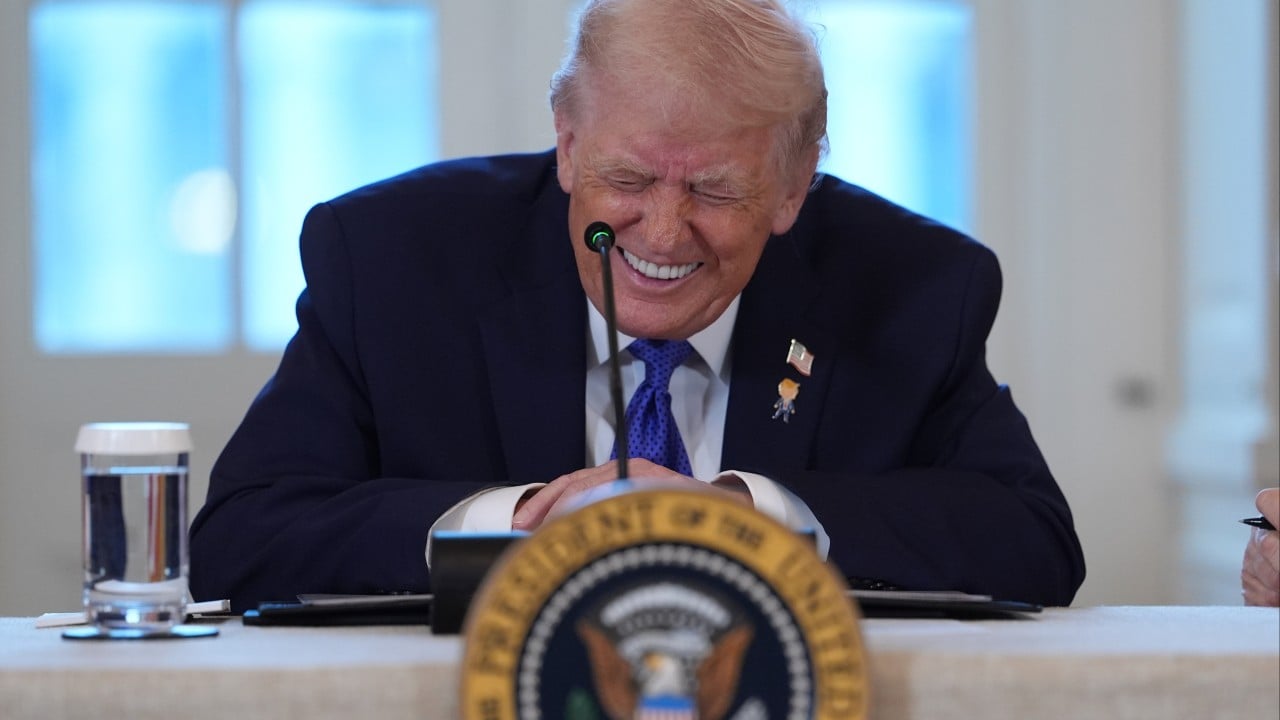
Former US President Donald Trump's recent criticisms of China's renewable energy sector, particularly its wind industry, reveal a narrative shaped more by domestic politics than factual analysis. His remarks, initially made at a White House meeting with oil executives in January and later amplified at the World Economic Forum, aimed to rally support by portraying China's green industries as a strategic threat.
Trump's narrative, which suggests Chinese companies dominate global turbine manufacturing but use little renewable energy domestically, overlooks the country's significant integration of clean energy into its economic progress. For years, Beijing has prioritized energy security, pollution control, and industrial upgrading, underpinning its current energy transition. This approach predates President Xi Jinping's 2060 carbon neutrality pledge.
Contrary to Trump's portrayal, China's commitment to renewable energy is substantial. Its grid-connected wind and solar capacity surpassed 1.84 billion kilowatts last year, overtaking coal for the first time and now representing approximately 47 percent of its total installed power capacity. Renewable sources accounted for over 60 percent of its electricity generation capacity, with wind and solar power alone making up 22.5 percent of electricity consumption in the first quarter.
While Trump's rhetoric may resonate with certain domestic audiences, it fails to withstand scrutiny and appears to serve a familiar political purpose: undermining European net-zero strategies and defending the U.S. fossil fuel industry. His jibes target the very hardware that is helping global allies meet their climate targets, framing China's advancements as a problem rather than a shared solution.
DistantNews Editorial
Originally published by South China Morning Post in English. Translated, summarized, and contextualized by our editorial team with added local perspective. Read our editorial standards.
More Stories

From Our Blog

Countries Without a Free Press: What You Need to Know

What Press Freedom Means for the News You Read

What Gets Lost (and Found) When News Is Translated

The Critical Role of Diaspora Media in Global News

What Travellers Should Know About Countries with Restricted Press
