

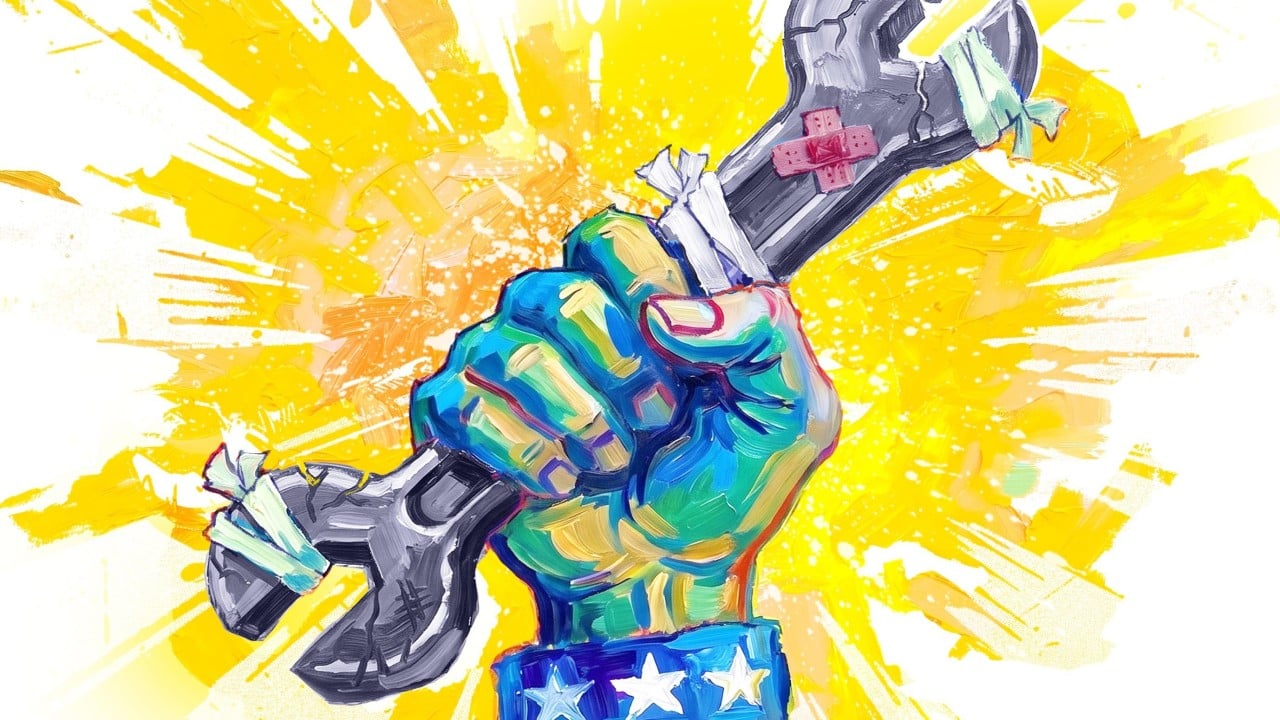
Trump's manufacturing push meets reality as costs rise and investment stalls
Translated from English, summarized and contextualized by DistantNews.
At a glance
News
Named sources
Context piece
- Donald Trump's push to revive U.S. manufacturing faces challenges as companies report rising costs and stalled investment.
- Businesses cite increased expenses from tariffs, higher fuel prices linked to geopolitical events, and competition from lower-cost foreign manufacturers.
- Despite promises of a blue-collar renaissance, evidence suggests mixed results in boosting U.S. manufacturing competitiveness and output.
Donald Trump's initiative to revitalize American manufacturing is encountering significant headwinds, with companies like Zion Foodtrucks in Colorado reporting that rising costs and increased competition are hindering their growth. The company owner, Appu Jacob Varghese, stated that business has declined due to the "tariff situation" and higher fuel prices, which he links to the "war" (presumably referring to the Iran conflict).
Our company business has definitely come down because of the war and the tariff situation.
"Competitors have actually closed their doors. So if that was the objective, to expand American manufacturing, I don’t know if that has worked out," Varghese said. He noted that while American-made steel and aluminum are used, essential components like stoves, refrigerators, and piping are sourced globally, making the company susceptible to international market fluctuations.
Competitors have actually closed their doors. So if that was the objective, to expand American manufacturing, I don’t know if that has worked out.
Experts and executives suggest that policy changes, market instability, and structural weaknesses are undermining U.S. competitiveness. Robert Lawrence, a professor of international trade and investment at Harvard University, expressed disappointment with manufacturing output and productivity, stating that "we might expect to see some green shoots, and we might expect to see signs of a reversal in manufacturing" 15 months after the implementation of "Liberation Day policies" on April 2, 2025, but these signs are not yet apparent.
We might expect to see some green shoots, and we might expect to see signs of a reversal in manufacturing.
DistantNews Editorial
Originally published by South China Morning Post in English. Translated, summarized, and contextualized by our editorial team with added local perspective. Read our editorial standards.
More Stories

From Our Blog

Countries Without a Free Press: What You Need to Know

What Press Freedom Means for the News You Read

What Gets Lost (and Found) When News Is Translated

The Critical Role of Diaspora Media in Global News

What Travellers Should Know About Countries with Restricted Press
