

US-China trade war reaches India’s streets as Modi weighs risks of Washington bet
Summarized and contextualized by DistantNews.
At a glance
News
Named sources
New plan
- Indian Prime Minister Narendra Modi faces domestic backlash over a potential trade deal with the United States that could place India at the center of U.S. efforts to redirect agricultural exports.
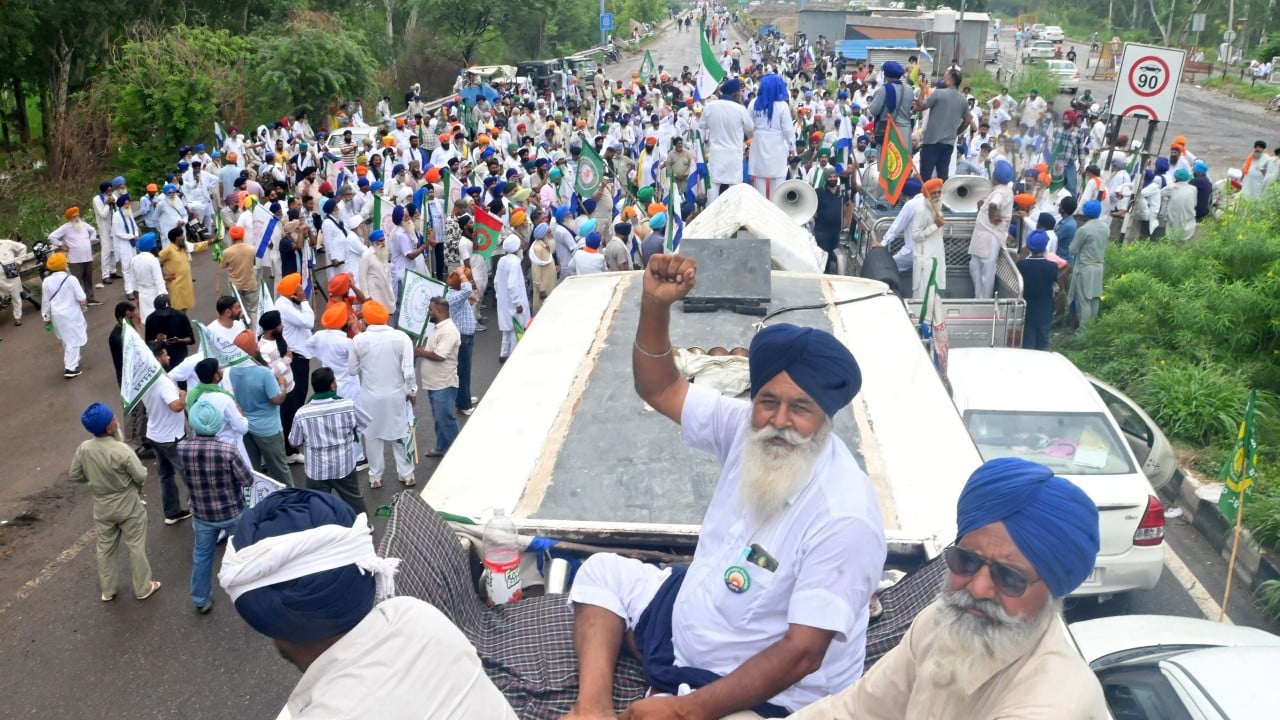
- Thousands of farmers protested in Punjab against what they described as a "secret" trade deal, fearing it could open India's markets to cheaper American imports and threaten livelihoods.
- The protests highlight the political risks for Modi as India deepens ties with Washington while navigating trade pressures and balancing economic interests with both the U.S. and China.
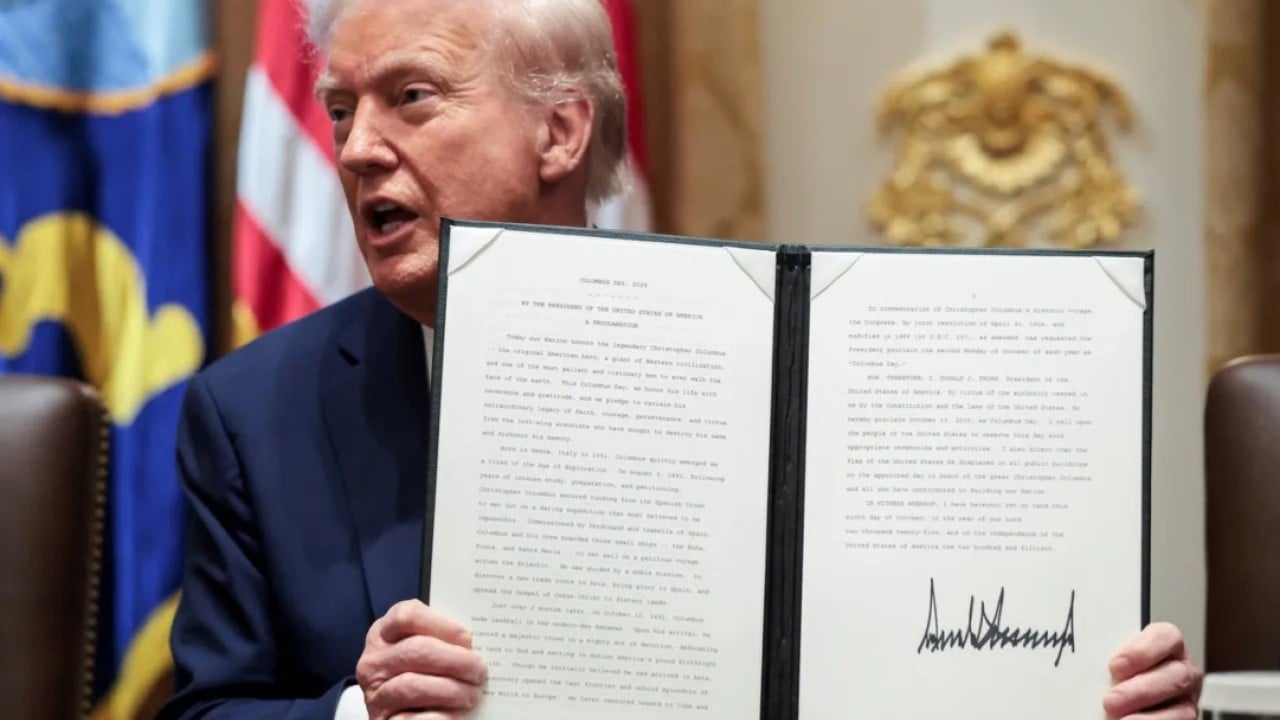
Indian Prime Minister Narendra Modi is confronting significant domestic opposition regarding a potential trade agreement with the United States. This deal could position India as a key player in U.S. President Donald Trump's strategy to reroute agricultural exports affected by the U.S.-China trade conflict, raising questions about New Delhi's strategic alignment with Washington against Beijing.
Thousands of farmers from the northern state of Punjab marched towards Delhi, protesting what they termed a "secret" trade deal with Washington. They expressed concerns that the government is negotiating concessions that might open India's markets to less expensive American imports, including soybean oil, feed grains, and dairy products. Such a move, they argue, could jeopardize the livelihoods of millions of farmers across the country.
Authorities took measures to prevent the demonstrators from reaching the capital, blocking major highways. These protests underscore the domestic political challenges Modi faces as his government strengthens ties with Washington. India is simultaneously dealing with trade pressures from Trump, navigating Russian oil purchases, and working to reduce global dependence on China.
The U.S. has been actively seeking alternative markets for its agricultural exports, particularly soybeans, after China significantly reduced its purchases in response to U.S. tariffs. India has emerged as a primary target for increased market access. However, the farmer protests highlight the delicate balancing act India must perform to protect its economic interests with both the U.S. and China.
Sadanand Dhume, a senior fellow at the Council on Foreign Relations specializing in India, Pakistan, and South Asia, described the situation as a "perfect storm of geopolitical turmoil and domestic political unrest" for Modi. The backlash from farmers indicates the complex interplay of international trade dynamics and internal political considerations that the Indian government must manage.
perfect storm of geopolitical turmoil and domestic political unrest
DistantNews Editorial
Originally published by South China Morning Post. Summarized and contextualized by our editorial team with added local perspective. Read our editorial standards.
More Stories

From Our Blog

Countries Without a Free Press: What You Need to Know

What Press Freedom Means for the News You Read

What Gets Lost (and Found) When News Is Translated

The Critical Role of Diaspora Media in Global News

What Travellers Should Know About Countries with Restricted Press
