

Trump says talks with Iran will start Monday on deal to reopen Hormuz
Summarized and contextualized by DistantNews.
At a glance
News
Named sources
Ongoing story
- U.S. President Donald Trump announced that negotiations with Iran would begin on Monday to finalize a deal.
- This deal aims to reopen the Strait of Hormuz after Trump called off a major attack on Iran.
- Trump cited requests from Gulf allies, including Saudi Arabia, the UAE, and Qatar, as a reason for halting the attack and pursuing diplomacy.
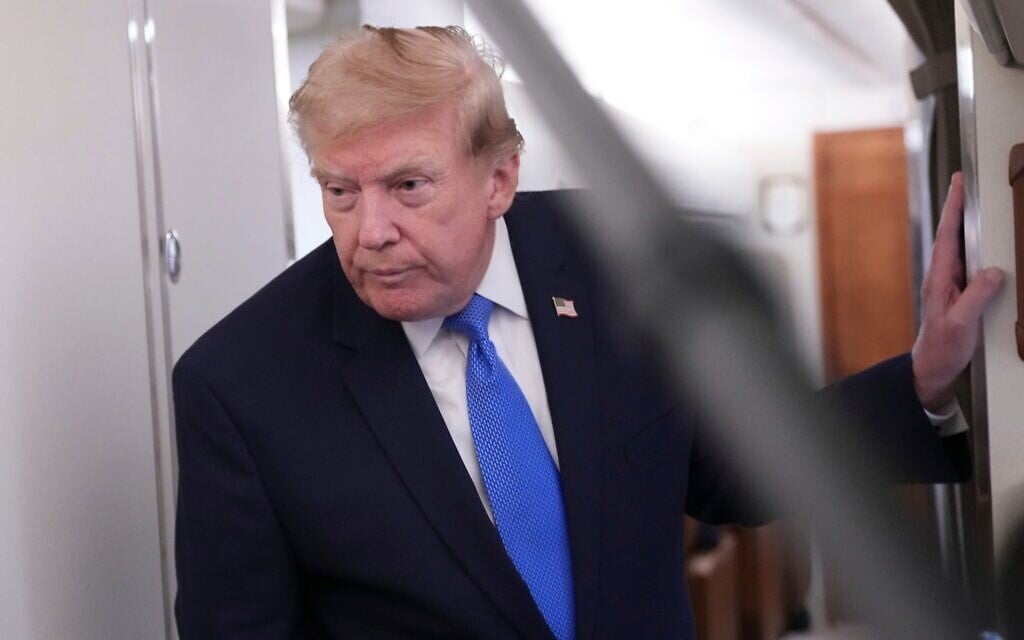
U.S. President Donald Trump announced Sunday night that negotiations with Iran would commence Monday to finalize a deal reopening the Strait of Hormuz, following his decision to call off a significant attack on the Islamic Republic over the weekend. Trump stated that the talks would begin Monday afternoon, expressing his hope for a beneficial outcome that could save lives and prevent the use of excessive force.
We’re talking to them in the form of a negotiation. It begins tomorrow afternoon, and we’ll see if it’s [good]. I’d love to do that. We’d save a lot of lives, save a lot of unnecessary power.
Initially, Trump had announced on Saturday that a deal with Iran was imminent to reopen Hormuz and address its nuclear threat. However, his latest comments suggested that the nuclear issue might be deferred to a subsequent agreement, with the immediate focus on restoring a memorandum of understanding from June. This earlier understanding provided a 60-day window for Iran's nuclear program negotiations, of which less than 30 days remain.
Trump revealed that Saudi Arabia, the United Arab Emirates, and Qatar had requested he cancel the planned massive bombing campaign, which he described as the "biggest attack since World War II." He explained that these allies preferred a diplomatic solution, fearing the unpredictable consequences of an attack. This account contrasts with some reporting that indicated the UAE favored an escalation against Iran.
We were all set to go at this time right now, and it would have been a massive attack… but [then] the allies asked to call it off… The reason they ask is they think there’s a deal. There’s a deal on Hormuz, and then there will be a deal on the denuclearization of Iran.
The president's decision to pursue diplomacy was influenced by conversations with Gulf leaders, including Saudi Crown Prince Mohammed bin Salman, who expressed a preference for a deal over an attack. Trump had previously indicated on social media that Mideast allies had agreed on the "perimeters" of a deal, marking another shift in his approach.
I said to [Saudi Crown Prince Mohammed bin Salman], ‘What would you rather do? Would you rather us do this or not?’ They said we would much prefer a deal as opposed to an attack, because you don’t know where these attacks lead.
DistantNews Editorial
Originally published by Times of Israel. Summarized and contextualized by our editorial team with added local perspective. Read our editorial standards.
More Stories
From Our Blog

What Gets Lost (and Found) When News Is Translated

The Critical Role of Diaspora Media in Global News

What Travellers Should Know About Countries with Restricted Press

A Digital Nomad's Guide to Following Local News

How the Same Story Looks Different in Different Countries
