

Trump Says US Blockade on Iran to Continue Until Nuclear Deal or ‘Total Surrender’
Summarized and contextualized by DistantNews.
At a glance
News
Named sources
Context piece
- U.S. President Donald Trump stated the naval blockade on Iran will continue until a nuclear deal or 'total surrender' is reached.
- Trump claimed U.S. Navy has full control of the Strait of Hormuz, blocking all Iranian imports without U.S. permission.
- The comments contradict Iran's public stance denying ongoing direct talks with the U.S., amid heightened tensions over Iran's nuclear program.
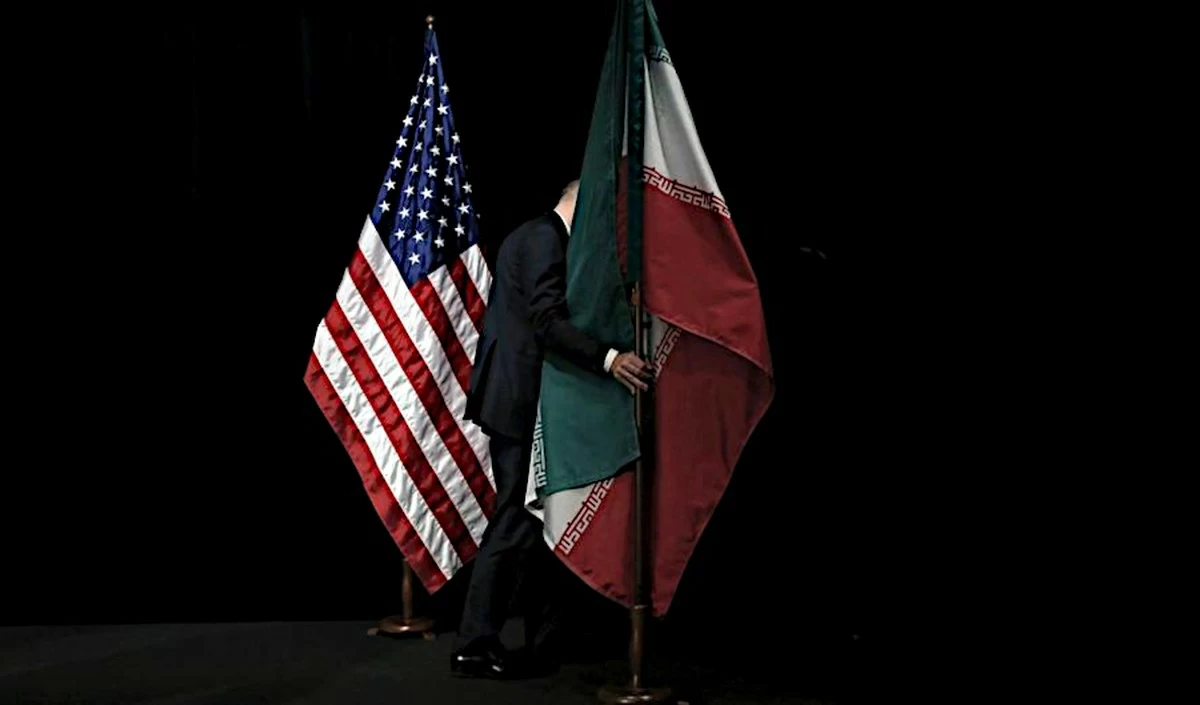
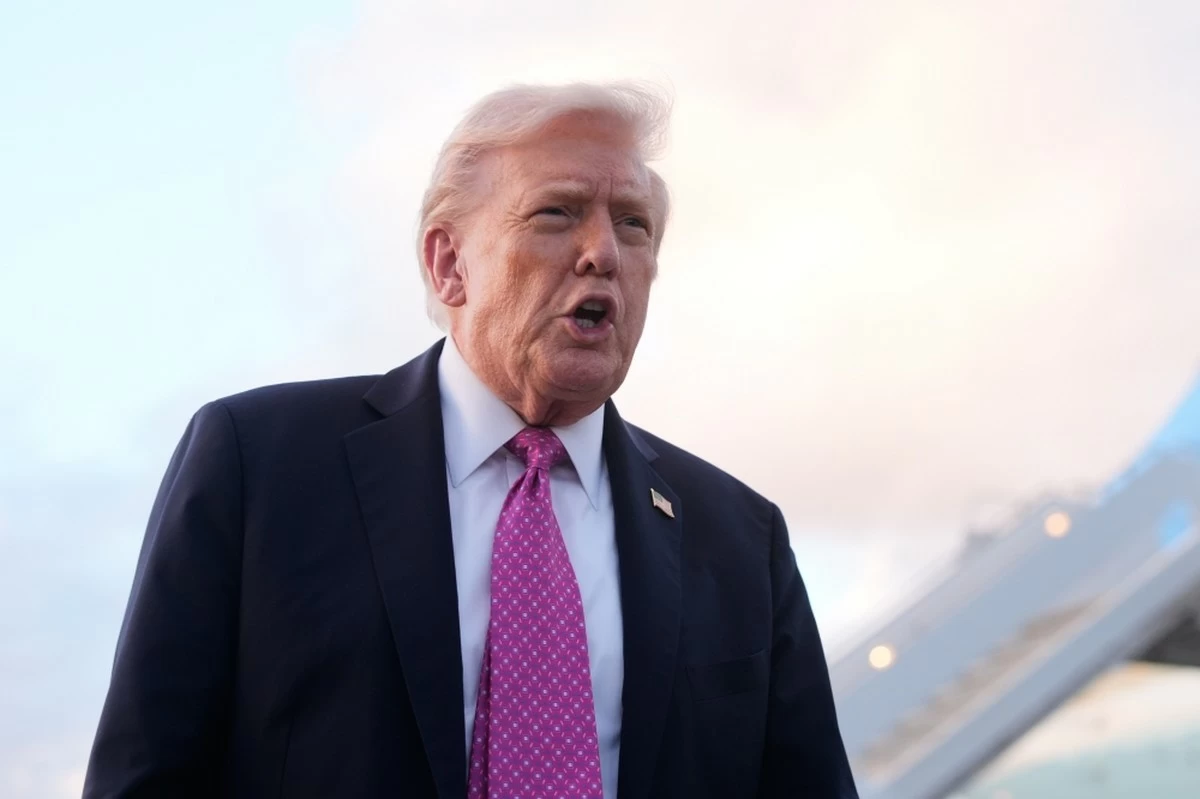
President Donald Trump declared that the United States will maintain its naval blockade against Iran until Tehran agrees to a nuclear deal or what he termed "total surrender." Trump asserted on his Truth Social platform that the U.S. Navy exercises complete control over the Strait of Hormuz.
The United States would maintain its naval blockade of Iran until Tehran reaches an agreement with Washington or agrees to what he described as 'total surrender.'
He stated that nothing will enter Iran without American permission, emphasizing the U.S. blockade's effectiveness. Trump also mentioned that negotiations with Iran have commenced, with further talks scheduled soon. However, these remarks appear to conflict with Iran's official position, which has consistently denied any ongoing direct discussions with the United States.
the US Navy had complete control over the Strait of Hormuz and asserted that nothing would reach Iran unless the United States permitted it.
The exchange occurs amidst persistent tensions between Washington and Tehran. Key issues include Iran's nuclear program, regional security dynamics, and the impact of sanctions. The Strait of Hormuz remains a vital global shipping lane, particularly for oil and gas exports, making control over this waterway a significant strategic point.
negotiations with Iran had already begun and that additional talks were scheduled in the near future.
DistantNews Editorial
Originally published by Arab Times. Summarized and contextualized by our editorial team with added local perspective. Read our editorial standards.
More Stories
From Our Blog

What Gets Lost (and Found) When News Is Translated

The Critical Role of Diaspora Media in Global News

What Travellers Should Know About Countries with Restricted Press

A Digital Nomad's Guide to Following Local News

How the Same Story Looks Different in Different Countries
