

Trump says US to hit Iran hard
Summarized and contextualized by DistantNews.
At a glance
News
Named sources
Ongoing story
- President Donald Trump vowed a strong response to Iran after it attacked US bases in Jordan, escalating Middle East tensions.
- The warning followed a lull in fighting that had raised hopes for negotiations, causing oil prices to jump due to fears of supply disruptions.
- Saudi Arabia and the US announced strikes on militant bases in Iraq, while Israel accused Iran-backed Hezbollah of a truce violation, indicating a wider regional conflict.
President Donald Trump has vowed to retaliate forcefully against Iran following its attacks on US bases in Jordan, signaling a potential escalation of the Middle East conflict. The warning came after a brief pause in hostilities had sparked hopes for a return to negotiations, but fears of global supply disruptions sent oil prices soaring by five percent.
On Wednesday, Saudi Arabia and the United States jointly announced strikes targeting militant bases in Iraq. Concurrently, US ally Israel accused Iran-backed Hezbollah of violating a truce. These actions suggest a broader regional conflict is reigniting, drawing in Iran and its proxies.
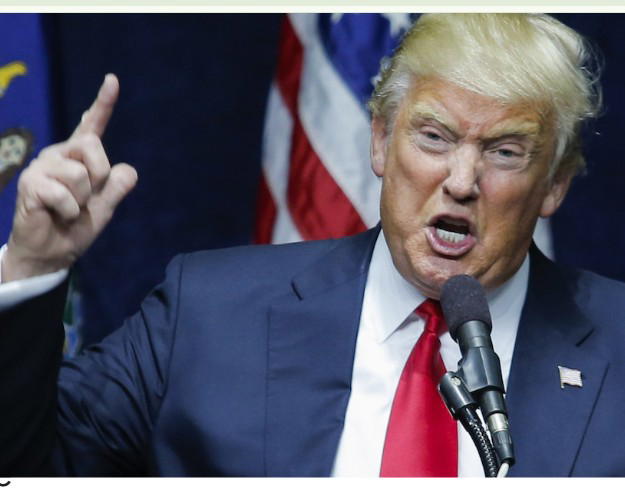
We’ll be hitting them hard. They’re going to get a beating. We are going to beat the ‘effing s’ out of them.
For two days, Saudi Arabia, the world's largest oil exporter, has reported drone attacks on its crude facilities, which it attributes to Iraqi armed groups allied with Tehran. Iran, in turn, launched missiles at Jordan, with state media later reporting a US strike near Iran's border with Iraq.
"We'll be hitting them hard. They're going to get a beating," Fox News quoted Trump as saying, reportedly using strong language to emphasize his point. This aggressive stance underscores the volatile situation in the region.
Tehran is now using its proxy network to sustain leverage while the diplomatic track absorbs international attention. The proxy war is the continuation of the direct war by other means, and it is being run with considerable strategic coherence.
A Saudi security analyst, Hesham Alghannam, commented that Tehran is using its proxy network to maintain leverage while diplomatic efforts absorb international attention. He described the proxy war as a continuation of direct war by other means, executed with significant strategic coherence.
As long as the threats against the Islamic Republic of Iran continue… the resistance will continue.
Iranian state television reported a US strike within its territory, with a local official stating a missile hit an uninhabited area in the Piranshahr border region without causing casualties. Earlier, Jordan's army confirmed intercepting five Iranian missiles, which Iran's Revolutionary Guards claimed targeted US bases there. The Guards stated, "As long as the threats against the Islamic Republic of Iran continue… the resistance will continue."
Meanwhile, Israel accused Hezbollah of firing an explosive drone at an Israeli engineering vehicle in Lebanese territory, calling it a "blatant violation of the ceasefire." In Iraq, a joint US-Saudi air operation followed attacks on Saudi oil facilities attributed to "terrorist militias loyal to Iran." The US military confirmed targeting logistics and weapons sites belonging to an Iran-aligned group. According to Iraq's Hashed al-Shaabi alliance, these attacks resulted in at least 20 fatalities.
Overnight, Hezbollah launched an explosive drone toward an IDF engineering vehicle in the area of Ali al-Taher Ridge within the Security Zone. This is a blatant violation of the ceasefire.
DistantNews Editorial
Originally published by Vanguard. Summarized and contextualized by our editorial team with added local perspective. Read our editorial standards.
More Stories


From Our Blog

How the Same Story Looks Different in Different Countries

What Gets Lost (and Found) When News Is Translated

The Critical Role of Diaspora Media in Global News

What Travellers Should Know About Countries with Restricted Press

A Digital Nomad's Guide to Following Local News
