

Trump signs order denying citizenship to US-born children of foreign nationals
Translated from Korean, summarized and contextualized by DistantNews.
At a glance
News
Sources not specified
New plan
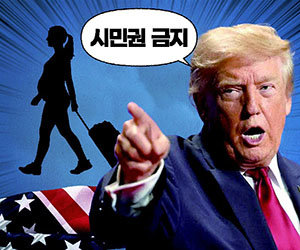
- Donald Trump has signed a new executive order to deny U.S. citizenship to children born in the U.S. to foreign nationals, including those born via surrogacy.
- The order aims to prevent 'birth tourism' and curb the practice of foreign nationals having children in the U.S. to secure citizenship, a policy Trump has opposed since his first presidential campaign.
- This move follows a previous attempt to end birthright citizenship via executive order, which was blocked by the Supreme Court, and a new order that also excludes children of foreign government officials and adversaries.
Donald Trump's administration is once again targeting birthright citizenship with a new executive order aimed at denying U.S. citizenship to children born on American soil to foreign nationals. This latest directive, signed on August 6, specifically excludes children born via surrogacy and those whose parents are foreign government officials or from adversarial nations.
The move represents a renewed effort by Trump to fulfill a long-standing campaign promise to end birthright citizenship, which he argues fuels illegal immigration and birth tourism. His administration previously attempted to revoke this policy via executive order in January 2025, but the Supreme Court blocked the action, citing the 14th Amendment's guarantee of citizenship to all born in the U.S.
Despite the legal challenges, Trump has persisted, signing the new order which critics argue will again face constitutional hurdles. The practice of birth tourism has been a focus of U.S. media, with reports highlighting Chinese nationals traveling to U.S. territories like Saipan to give birth, as over half of newborns there in 2018 were reportedly children of Chinese tourists. Similar schemes in Los Angeles, where organizations offered birth tourism packages for tens of thousands of dollars, have also been exposed.
The 14th Amendment's guarantee of citizenship to all born in the U.S.
Historically, South Korea also saw a surge in birth tourism for reasons like military service evasion, with an estimated 5,000 Korean newborns per year born in the U.S. in the early 2000s. However, a change in South Korean law in 2005 requiring dual citizens to complete military service before renouncing their nationality, coupled with stricter U.S. entry requirements under Trump, has since curbed this trend.
The U.S. still estimates 20,000 to 30,000 birth tourism cases annually, with evolving methods like wealthy Chinese individuals using American surrogates for up to $200,000 per child to secure U.S. citizenship. The new executive order's confrontation with the 14th Amendment sets the stage for another legal battle over the fundamental principle of birthright citizenship.
The 14th Amendment's guarantee of citizenship to all born in the U.S.
DistantNews Editorial
Originally published by Dong-A Ilbo in Korean. Translated, summarized, and contextualized by our editorial team with added local perspective. Read our editorial standards.
More Stories


From Our Blog

What Gets Lost (and Found) When News Is Translated

The Critical Role of Diaspora Media in Global News

What Travellers Should Know About Countries with Restricted Press

A Digital Nomad's Guide to Following Local News

How the Same Story Looks Different in Different Countries
