

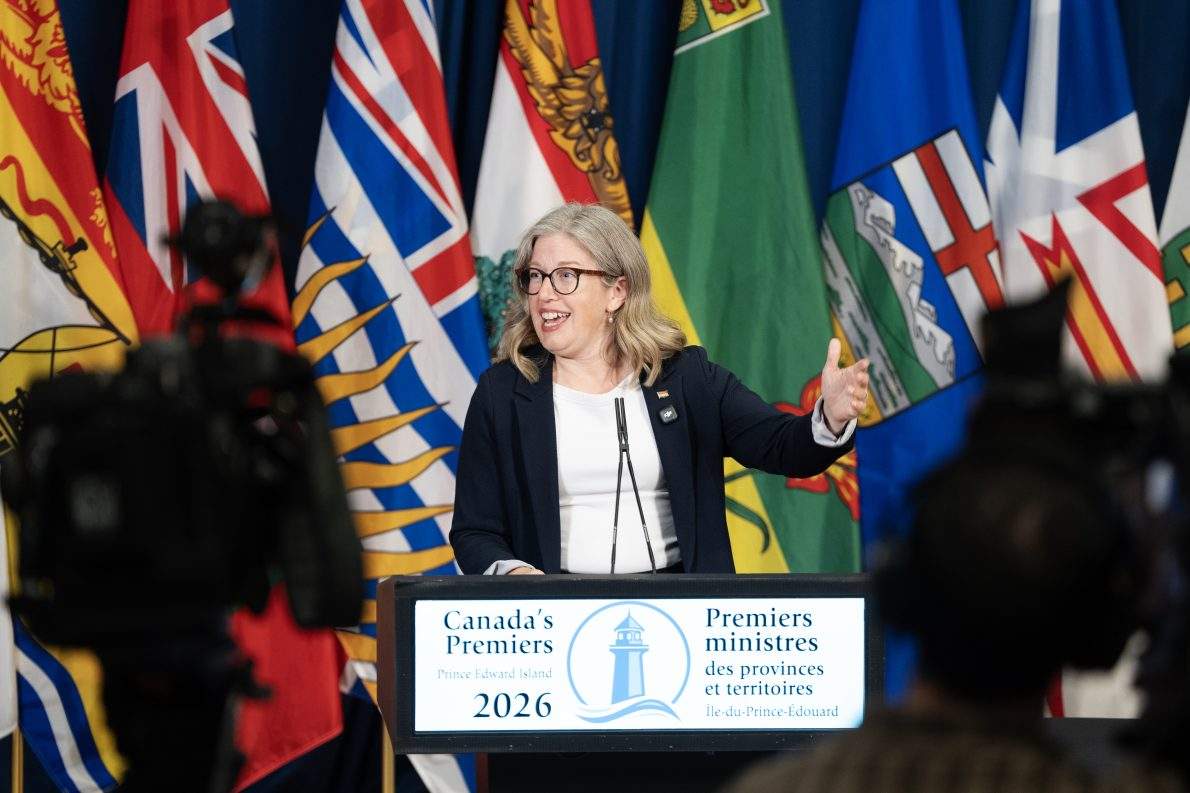
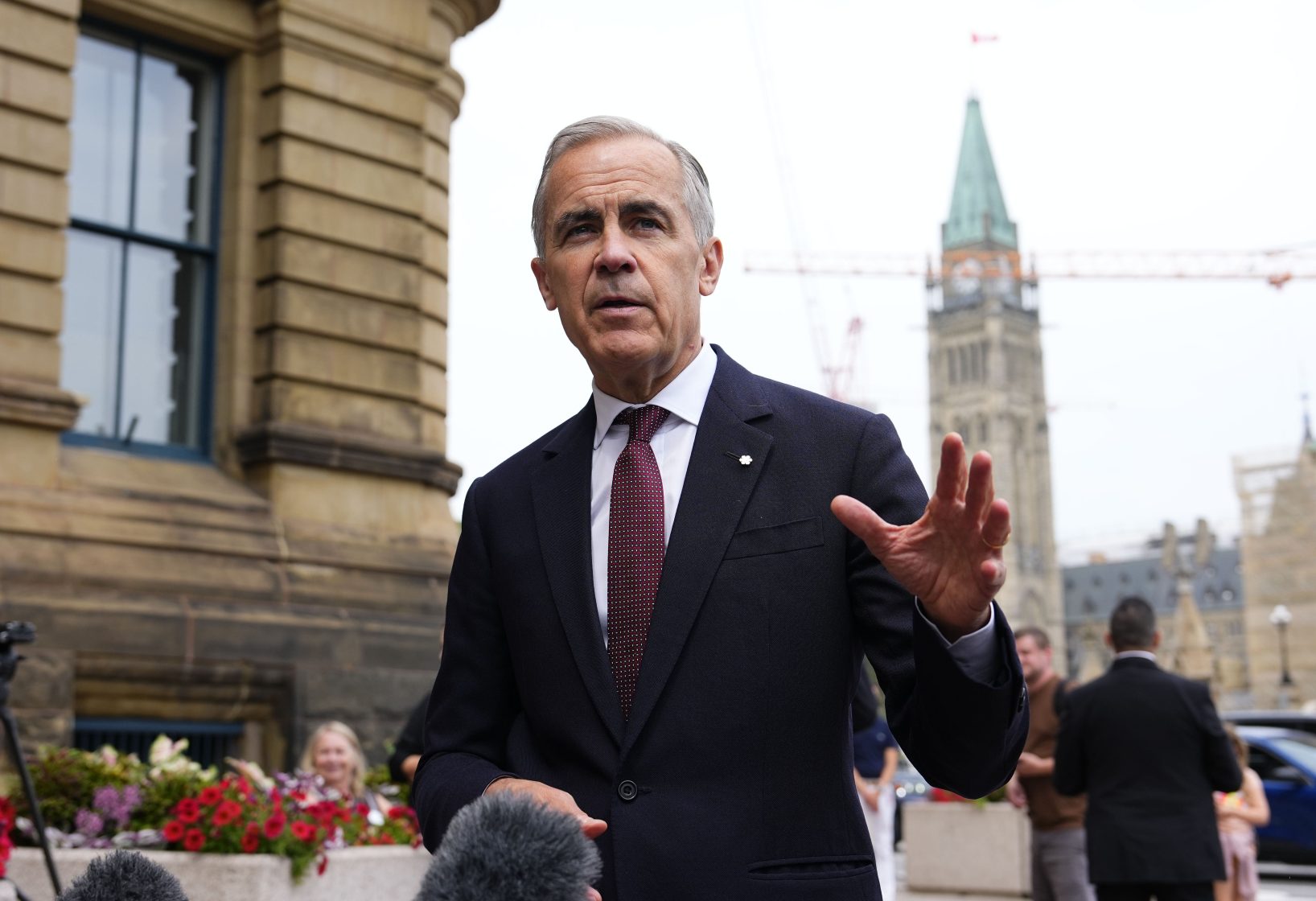
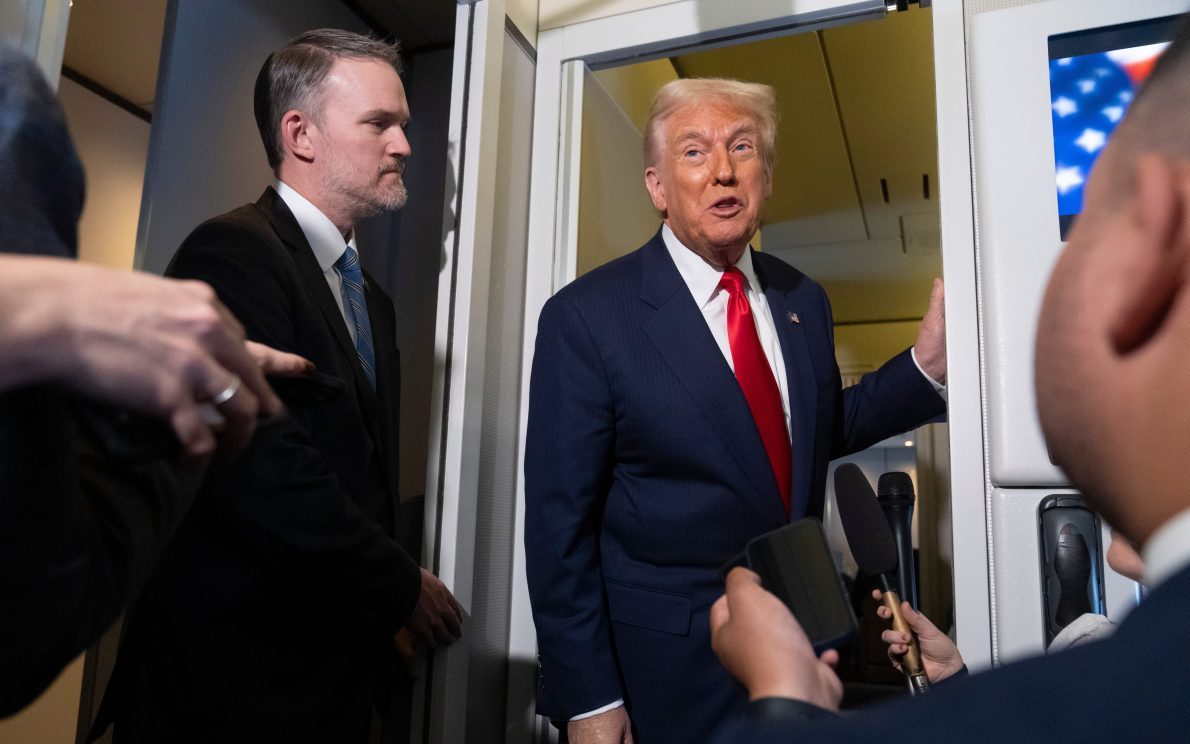
Trump threatens 50% tariff on Canadian imports over alleged 'discriminatory measures'
Translated from English, summarized and contextualized by DistantNews.
At a glance
News
Sources not specified
New plan
- - The U.S.
- is threatening to impose a 50% tariff on Canadian imports, citing
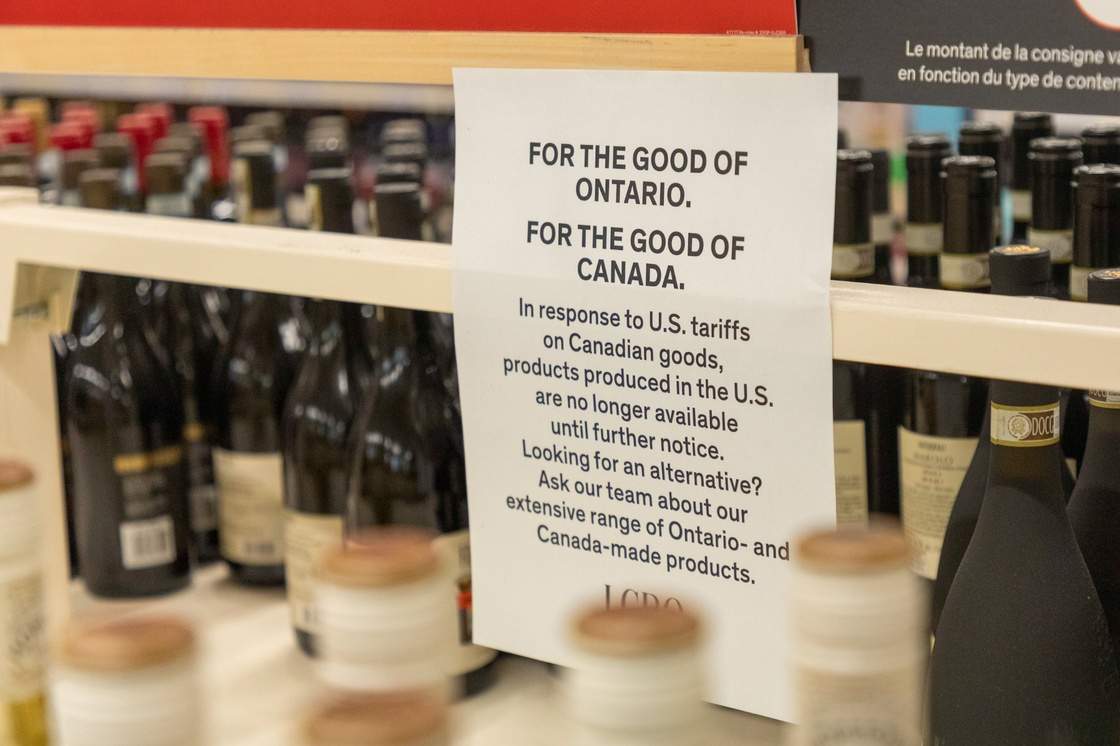
The United States is poised to impose a significant 50% tariff on Canadian imports, a move the Trump administration frames as a response to "retaliatory and discriminatory measures" by Canada. President Donald Trump has signed three executive orders targeting specific Canadian actions: provincial and territorial boycotts on American alcohol, retaliatory tariffs on U.S. vehicles and auto parts, and quotas on American dairy imports.
What he’s [Trump] doing, then, is he’s ‘Captain America’ in righting the injustices that have been put on the U.S. And it’s not just Canada that he’s used that language with.
The White House proclamation invokes Section 338 of the Tariff Act, empowering the president to impose duties to counteract "discrimination against or unequal imposition on the commerce of the United States." The term "discrimination" appears 11 times in the proclamation, with a White House fact sheet emphasizing the need to "level the playing field" for American exports like cars, alcohol, and dairy.
Economics professor Moshe Lander of Concordia University suggests Trump is positioning himself as "Captain America," righting perceived global injustices rather than appearing as a "bully." This rhetoric extends beyond Canada, reflecting a broader theme of the U.S. being taken advantage of.
He keeps talking about how the world takes advantage of the U.S., so rather than presenting himself as the bully, he’s the defender.
Historically, the U.S. has imposed various tariffs on Canadian goods, including global tariffs on CUSMA-compliant goods, sector-specific tariffs, and duties on steel, aluminum, copper, timber, furniture, and vehicles. Canada has retaliated with its own tariffs on U.S. aluminum, steel, and auto products.
The United States believes that it can exert commercial pressure on Canada to get outcomes in the realm, for instance, of security, border security, or continental security, more generally.
According to D.C. Bélanger, a professor of Canadian history at the University of Ottawa, the U.S. may be using commercial pressure to achieve outcomes in areas like security. These issues were reportedly raised by Trump during his first term and subsequent re-election campaign.
That’s an underlying issue, and these were things that Trump brought up when he was first elected in 2024, first elected for a second term.
DistantNews Editorial
Originally published by Global News in English. Translated, summarized, and contextualized by our editorial team with added local perspective. Read our editorial standards.
More Stories
From Our Blog

What Gets Lost (and Found) When News Is Translated

The Critical Role of Diaspora Media in Global News

What Travellers Should Know About Countries with Restricted Press

A Digital Nomad's Guide to Following Local News

How the Same Story Looks Different in Different Countries
