

Tunca River Dries Up, Revealing Sandbanks and Trash Amid Heatwave and Bulgarian Water Retention
Translated from Turkish, summarized and contextualized by DistantNews.
At a glance
News
Official statement
Ongoing story
- High temperatures and water retention by Bulgaria have caused the Tunca River in Edirne, Turkey, to dry up in sections.
- The river's flow has dropped from 20 cubic meters per second to 4 cubic meters per second, revealing sandbanks and accumulated trash.
- The low water levels impact agricultural production in a region vital for sunflower, rice, and wheat cultivation.
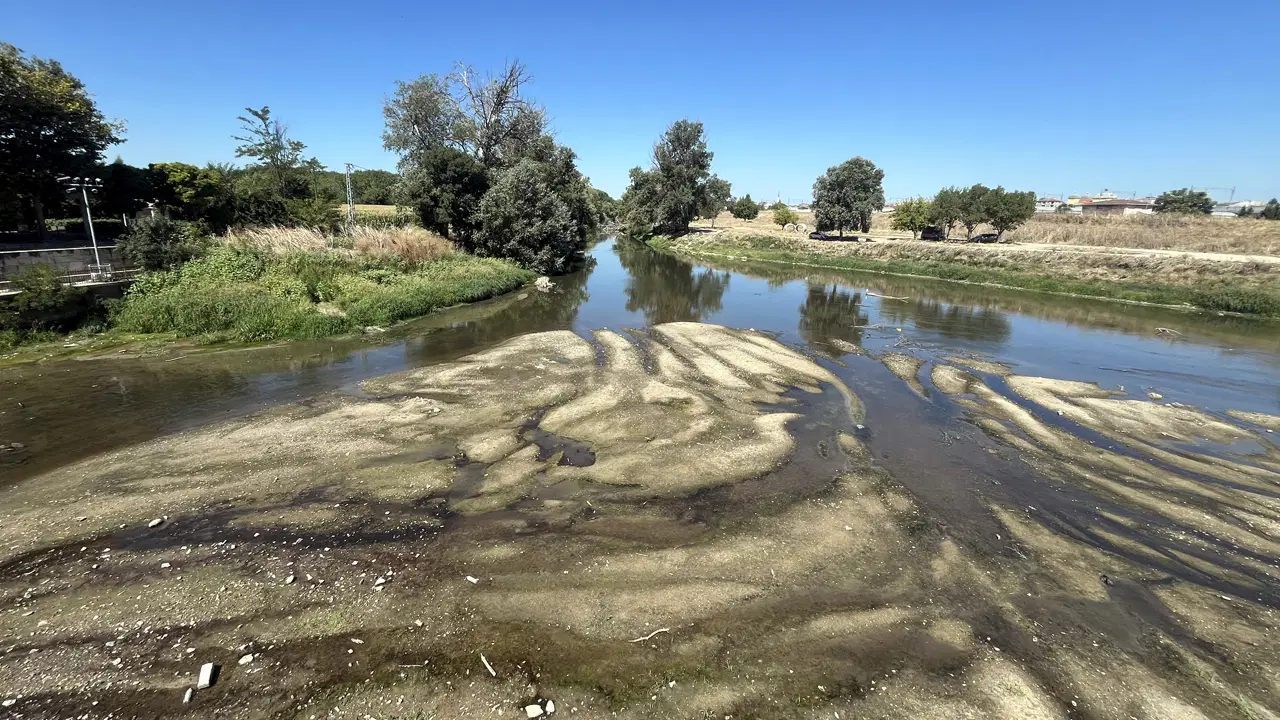
Edirne, a region crucial for Turkey's sunflower, rice, and wheat production, is facing severe water shortages as the Tunca River's flow has drastically decreased. High temperatures and upstream water retention by Bulgaria have led to significant drying in parts of the river.
Measurements from the State Hydraulic Works 11th Regional Directorate show the river's discharge has plummeted from 20 cubic meters per second at the beginning of June to as low as 4 cubic meters per second. This dramatic reduction has exposed sandbanks in several sections of the riverbed.
Beyond the environmental impact, the visible sandbanks have also brought to light the extent of pollution, with trash accumulating in the river becoming apparent. The diminished water levels pose a significant threat to the agricultural output of the Edirne region, jeopardizing a vital source of national production.
DistantNews Editorial
Originally published by Cumhuriyet in Turkish. Translated, summarized, and contextualized by our editorial team with added local perspective. Read our editorial standards.
More Stories

From Our Blog

What Gets Lost (and Found) When News Is Translated

The Critical Role of Diaspora Media in Global News

What Travellers Should Know About Countries with Restricted Press

A Digital Nomad's Guide to Following Local News

How the Same Story Looks Different in Different Countries
