

Turkey's İYİ Party Leader Slams 'Veiled Amnesty' Bill, Urges Rejection
Translated from Turkish, summarized and contextualized by DistantNews.
At a glance
News
Named sources
Under investigation
- İYİ Party leader Müsavat Dervişoğlu strongly criticized a proposed "National Solidarity and Social Cohesion Strengthening Law" in Turkey.
- Dervişoğlu argued the bill constitutes a "veiled amnesty" for terrorists and violates the constitution by transferring legislative power.
- He urged lawmakers to reject the bill, warning that history and the nation will not forgive them if they betray their oath.
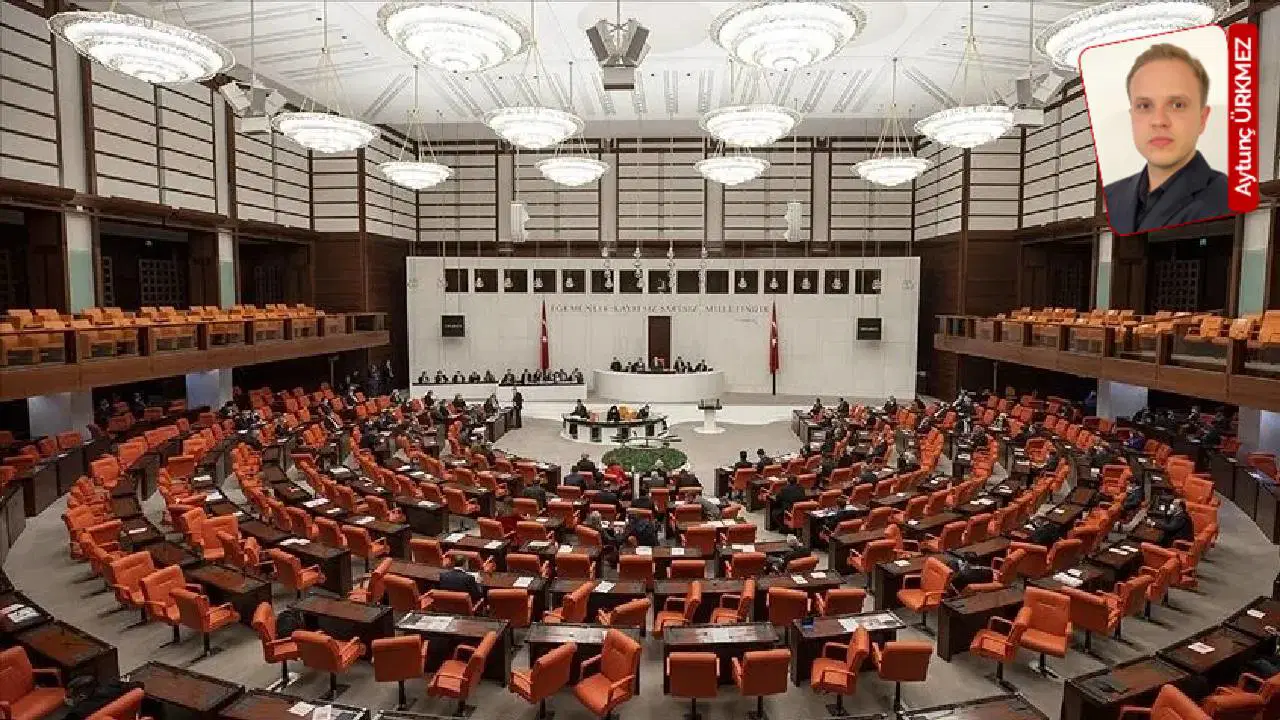
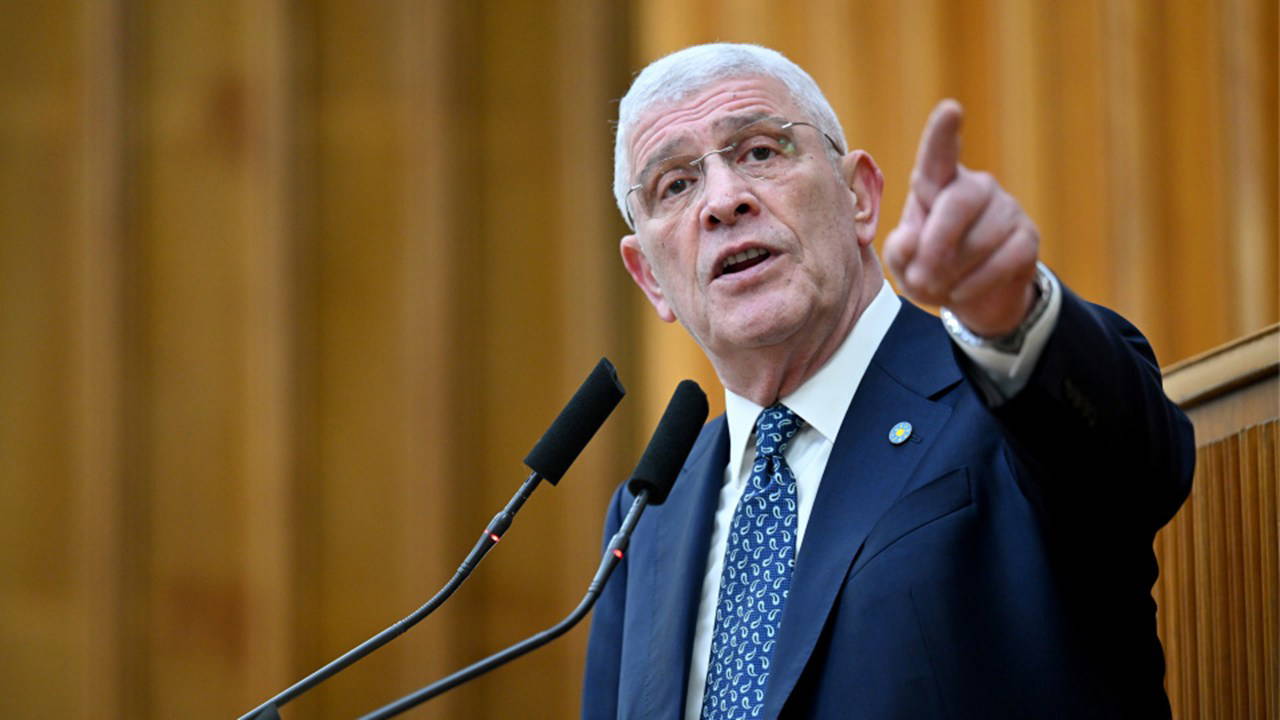
Müsavat Dervişoğlu, the leader of Turkey's İYİ Party, has issued a stern warning to lawmakers ahead of a parliamentary debate on the proposed "National Solidarity and Social Cohesion Strengthening Law." Dervişoğlu vehemently opposes the bill, labeling it a "veiled amnesty" for terrorists and asserting that certain provisions are unconstitutional.
This text is a document of surrender that narrows the nation's will and the state's seriousness, not social cohesion. In legal terms, this proposal is a 'veiled amnesty' regulation that provides privileges to members of terrorist organizations. That is why we object.
Speaking to Sözcü newspaper, Dervişoğlu argued that the legislation undermines national will and state integrity rather than fostering social cohesion. He specifically pointed to articles 5 and 6, which he claims allow for the dropping of cases or the deeming of sentences as served if a crime was not committed within a 5-10 year deferral period. According to Dervişoğlu, any regulation that nullifies the consequences of a conviction constitutes a special amnesty, violating Constitutional Court precedents and applying a "friendly penal code" to terrorists.
Every regulation that eliminates the consequences of a conviction is a special amnesty according to the precedents of the Constitutional Court. Here, the law is being applied in reverse, and a special 'friendly penal code' is being applied to terrorist criminals.
Dervişoğlu criticized the bill's timing, stating that legal regulations typically follow the disarmament and dissolution of terrorist organizations, not precede them. He expressed concern that the current approach creates a false perception that terrorist groups have been defeated. Furthermore, he condemned articles 1 and 3, which require National Security Council (MGK) decisions and administrative "Board" approval for the law's implementation. Dervişoğlu described this as a "blatant usurpation of constitutional authority," arguing it illegally transfers legislative power from the parliament to the executive branch.
This is a blatant usurpation of constitutional authority. Our constitution states that legislative power cannot be delegated. Furthermore, according to Article 118, the MGK is only an advisory body. Making the implementation of a parliamentary law conditional on an MGK decision is transferring legislative power to the executive.
The İYİ Party leader also decried the legal immunity granted to public officials implementing the law, likening it to the self-protection sought by the 1980 coup plotters, who were later prosecuted. Dervişoğlu announced that his party voted against all 12 articles in the Justice Commission and will oppose the bill in the General Assembly, urging fellow lawmakers not to betray their oaths, warning that "history and the nation will not forgive."
History and the nation will not forgive!
DistantNews Editorial
Originally published by Cumhuriyet in Turkish. Translated, summarized, and contextualized by our editorial team with added local perspective. Read our editorial standards.
More Stories


From Our Blog

What Gets Lost (and Found) When News Is Translated

The Critical Role of Diaspora Media in Global News

What Travellers Should Know About Countries with Restricted Press

A Digital Nomad's Guide to Following Local News

How the Same Story Looks Different in Different Countries
