


Turkey warns of 'serious risk' from Armenia's Metsamor nuclear plant
Translated from Turkish, summarized and contextualized by DistantNews.
At a glance
News
Sources not specified
Context piece
- A Turkish medical association warns that the Metsamor Nuclear Power Plant in Armenia poses a significant risk to the region.
- The plant, located near the Turkish border, is old, operates with outdated technology, and sits in an active seismic zone.
- Past accidents like Chernobyl and Fukushima highlight the long-term dangers of nuclear power, including health and environmental impacts.
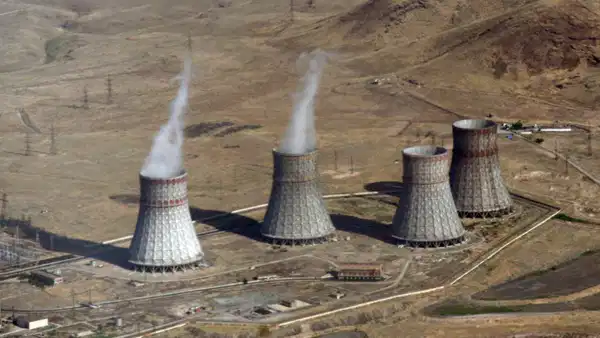
The Kars-Ağrı-Iğdır Chamber of Medicine in Turkey has issued a stark warning regarding the Metsamor Nuclear Power Plant, situated just 30 kilometers from the Turkish province of Iğdır and 16 kilometers from the border. Professor Dr. Barlas Sülü, head of the chamber, highlighted the plant's precarious location in an active seismic zone and its aging infrastructure as major concerns.
The plant, whose first reactor went into operation in 1976 and the second in 1980, was opposed by Soviet scientists and many scientists in Armenia, as well as environmental organizations, during its construction due to its location in an active seismic zone and the severe consequences of a potential accident.
Sülü recalled that Soviet scientists and Armenian experts themselves opposed the plant's construction due to its location on a fault line and the potential consequences of an accident. Following the devastating 1988 Spitak earthquake, the plant's two reactors were shut down due to safety concerns. However, the Armenian government reactivated the second reactor in 1995, citing energy needs, despite the plant having officially completed its operational lifespan in 2005. Its operating period has been extended multiple times since.
Metsamor Nuclear Power Plant is one of the oldest and most criticized nuclear power plants in operation in the world today.
The chamber emphasized that Metsamor is one of the oldest and most criticized nuclear facilities globally. Its early-generation Soviet design, combined with its location in a seismically active region that has experienced major earthquakes, significantly increases the risk of a nuclear incident. Drawing parallels to the Chernobyl and Fukushima disasters, the association stressed that nuclear accidents have long-lasting health, environmental, and socioeconomic consequences, affecting not only the immediate area but also future generations. The potential for radioactive materials to contaminate soil, water, and food chains poses a threat to the entire region's geography.
The Chernobyl and Fukushima nuclear disasters... have shown the world that the effects of nuclear accidents last for decades and are not limited to the moment of the accident.
DistantNews Editorial
Originally published by Cumhuriyet in Turkish. Translated, summarized, and contextualized by our editorial team with added local perspective. Read our editorial standards.
More Stories



From Our Blog

What Gets Lost (and Found) When News Is Translated

The Critical Role of Diaspora Media in Global News

What Travellers Should Know About Countries with Restricted Press

A Digital Nomad's Guide to Following Local News

How the Same Story Looks Different in Different Countries
