

TVET: Connecting Technology with Islamic Values
Translated from Malay, summarized and contextualized by DistantNews.
At a glance
Analysis
Sources not specified
Context piece
- Islam emphasizes the integration of theoretical knowledge with practical skills, viewing work that benefits society as virtuous.
- Technical and Vocational Education and Training (TVET) is crucial for developing a future workforce skilled in modern technologies like AI and big data.
- TVET institutions should not only train workers but also foster innovation and ethical development, guided by Islamic values like trust, to prevent technology misuse.
Islam fundamentally advocates for the seamless integration of theoretical knowledge and practical skills, viewing productive work that benefits society as a form of righteous action, or 'amal soleh'. The Quran, in Surah al-Taubah, verse 105, urges believers to "Act! For Allah will see your actions," underscoring the faith's emphasis on effort, productivity, and responsibility.
In the context of Technical and Vocational Education and Training (TVET), these practical skills are essential for national development. The future job market will demand a highly skilled workforce capable of managing advanced technologies such as artificial intelligence (AI), big data, cybersecurity, industrial automation, and smart technologies. As routine jobs become increasingly automated, roles requiring technical expertise, creativity, and problem-solving skills will remain in high demand.
Therefore, TVET institutions must evolve into centers for future technology development. Students should not only be trained as industry workers but also nurtured as innovators, digital entrepreneurs, and creators of local technology. Crucially, technological advancement must be guided by ethical values and social responsibility. Islam rejects development focused solely on material profit without a balance of moral and spiritual considerations.
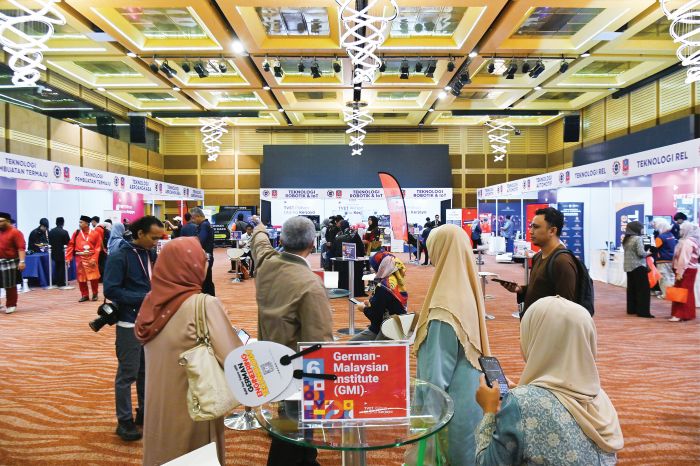
In the complex world of AI, the value of trust ('amanah') is paramount to prevent the misuse of technology, such as data manipulation, digital fraud, and human exploitation. Beyond technological training, TVET holds significant potential for developing Malaysia into an educational tourism hub. The nation's extensive network of vocational colleges, polytechnics, community colleges, and technical universities could serve as global educational reference points through technology exhibitions, international skill competitions, innovation seminars, and global industrial training programs.
This approach could boost local economies and enhance Malaysia's image as a technology education hub in Asia. Countries like Germany, Japan, and China offer models for successful vocational education systems. Germany's dual TVET system, Japan's emphasis on discipline and innovation, and China's rapid integration of AI into TVET provide valuable lessons. Malaysia should strengthen industry-education linkages, ensure TVET curricula remain relevant, and grant technical graduates recognition commensurate with their vital role in national development.
And say, 'Work, for Allah will see your work, and [so will] His Messenger and the believers.'
DistantNews Editorial
Originally published by Utusan Malaysia in Malay. Translated, summarized, and contextualized by our editorial team with added local perspective. Read our editorial standards.
More Stories
From Our Blog

What Gets Lost (and Found) When News Is Translated

The Critical Role of Diaspora Media in Global News

What Travellers Should Know About Countries with Restricted Press

A Digital Nomad's Guide to Following Local News

How the Same Story Looks Different in Different Countries
