


TVET to drive new economy
Translated from Malay, summarized and contextualized by DistantNews.
At a glance
Analysis
Sources not specified
Context piece
- Malaysia's Technical and Vocational Education and Training (TVET) system must adapt to rapid technological advancements like AI and data analytics to meet future industry needs.
- The New Industrial Master Plan 2030 aims to develop 3,000 smart factories, requiring a skilled workforce capable of operating in advanced manufacturing environments.
- Close collaboration between TVET institutions and industry is crucial for curriculum updates, skill relevance, and producing graduates with competitive professional certifications.
The rapid evolution of technologies such as artificial intelligence (AI), automation, and data analytics is fundamentally reshaping the global industrial landscape. In response, Malaysia, through its New Industrial Master Plan 2030 (NIMP 2030), aims to establish 3,000 smart factories by the year 2030. This ambitious target necessitates a TVET system that cultivates a highly skilled workforce ready to meet the demands of future industries.
The primary challenge is no longer merely producing graduates but ensuring their skills precisely align with market requirements. Reports from Bank Negara Malaysia highlight the nation's need to strengthen the match between local talent and high-skilled job opportunities to enhance productivity and economic competitiveness. Collaboration must move beyond traditional industry training or memorandums of understanding; industry players need to become integral components of the academic ecosystem.
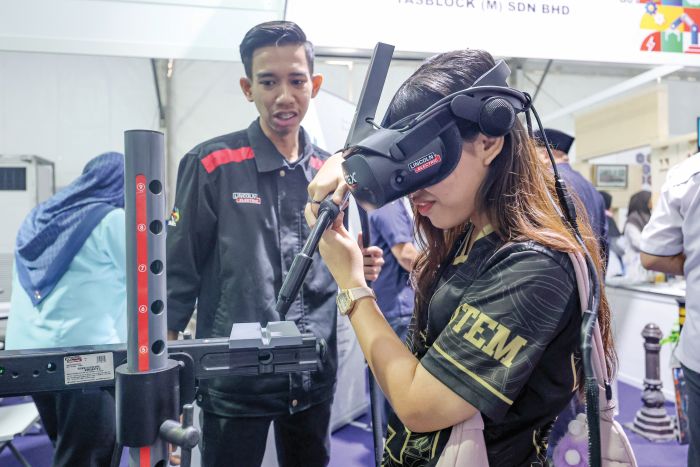
This integrated approach aligns with the International Labour Organization's (ILO) emphasis on the importance of synergy between training institutions and industry stakeholders to develop a relevant workforce. Under this model, TVET institutions must continuously update their curricula, technologies, and training facilities to reflect current industry standards. Simultaneously, companies can contribute their expertise, technology, modern equipment, and professional instructors. Training workshops should function as realistic industrial environments, mirroring actual workplaces.
Such close cooperation also offers students opportunities to earn industry-recognized professional certifications and micro-credentials. These added qualifications enhance graduate employability and can lead to more competitive starting salaries. Experience shows that many companies are willing to invest in TVET institutions by providing equipment, training materials, and scholarships when the training provided meets their operational needs. Beyond technical skills, proficiency in technical English is also vital, as most technology manuals, automation software, and industry documentation are in English. Therefore, students must be trained to communicate professionally, prepare technical reports, and interact within international work environments. The transformation of TVET requires commitment from all parties: educational institutions must act as knowledge catalysts, while industry partners play a crucial role in investing in talent development.
DistantNews Editorial
Originally published by Utusan Malaysia in Malay. Translated, summarized, and contextualized by our editorial team with added local perspective. Read our editorial standards.
More Stories



From Our Blog

What Gets Lost (and Found) When News Is Translated

The Critical Role of Diaspora Media in Global News

What Travellers Should Know About Countries with Restricted Press

A Digital Nomad's Guide to Following Local News

How the Same Story Looks Different in Different Countries
