


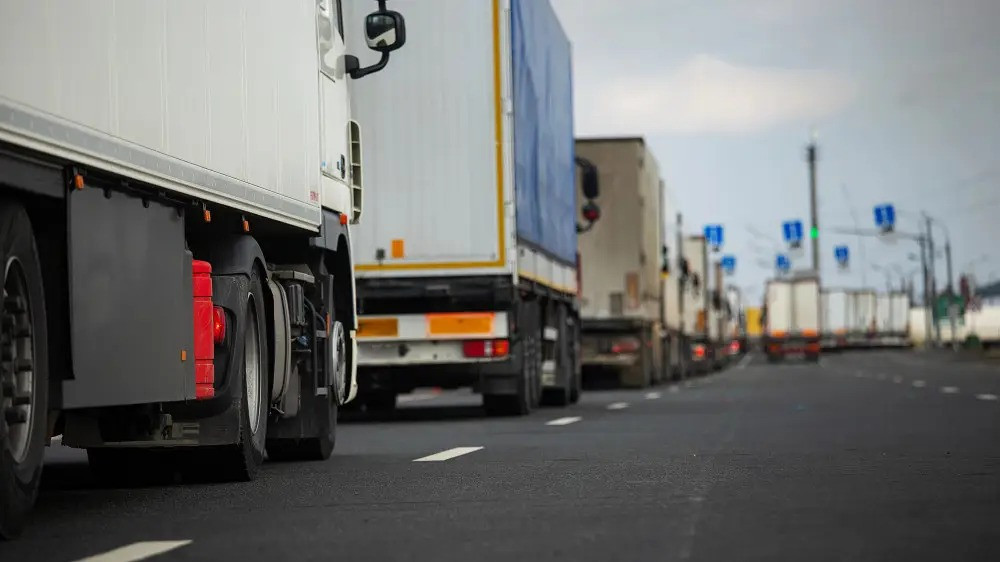
Two checkpoints on the border of Kazakhstan and Uzbekistan will change their operating mode
Summarized and contextualized by DistantNews.
At a glance
News
Documents & data
New plan
- Kazakhstan and Uzbekistan are upgrading two border checkpoints to international status, allowing 24/7 operation.
- The "Syrdarya – Malik" and "Tselinny – Ok Oltin" checkpoints will now be accessible to passenger cars and empty trucks.
- While "Tselinny – Ok Oltin" will also serve trucks carrying oversized or heavy cargo, commercial freight transport remains prohibited at "Syrdarya – Malik."
Two key border checkpoints between Kazakhstan and Uzbekistan are set to change their operating procedures following amendments to a bilateral agreement. The legislation, ratified on July 9, 2026, upgrades the "Syrdarya – Malik" and the "Tselinny – Ok Oltin" checkpoints from bilateral to international status.
This upgrade means both checkpoints will now operate 24 hours a day, seven days a week. Previously, they were only open during daylight hours. The enhanced operational hours are expected to facilitate smoother and more efficient cross-border movement.
According to Kolesa.kz, the changes will allow both passenger cars and trucks to utilize these crossings. Specifically, the "Tselinny – Ok Oltin" checkpoint will accommodate passenger cars, empty trucks, and vehicles transporting oversized or heavy cargo. The "Syrdarya – Malik" crossing will be open to passenger cars and empty trucks.
However, it is important to note that commercial freight transport will continue to be prohibited at the "Syrdarya – Malik" location, despite the overall upgrade in status and operating hours. These changes aim to improve connectivity and streamline transit between the two Central Asian nations.
DistantNews Editorial
Originally published by Tengrinews. Summarized and contextualized by our editorial team with added local perspective. Read our editorial standards.
More Stories



From Our Blog

What Gets Lost (and Found) When News Is Translated

The Critical Role of Diaspora Media in Global News

What Travellers Should Know About Countries with Restricted Press

A Digital Nomad's Guide to Following Local News

How the Same Story Looks Different in Different Countries
