

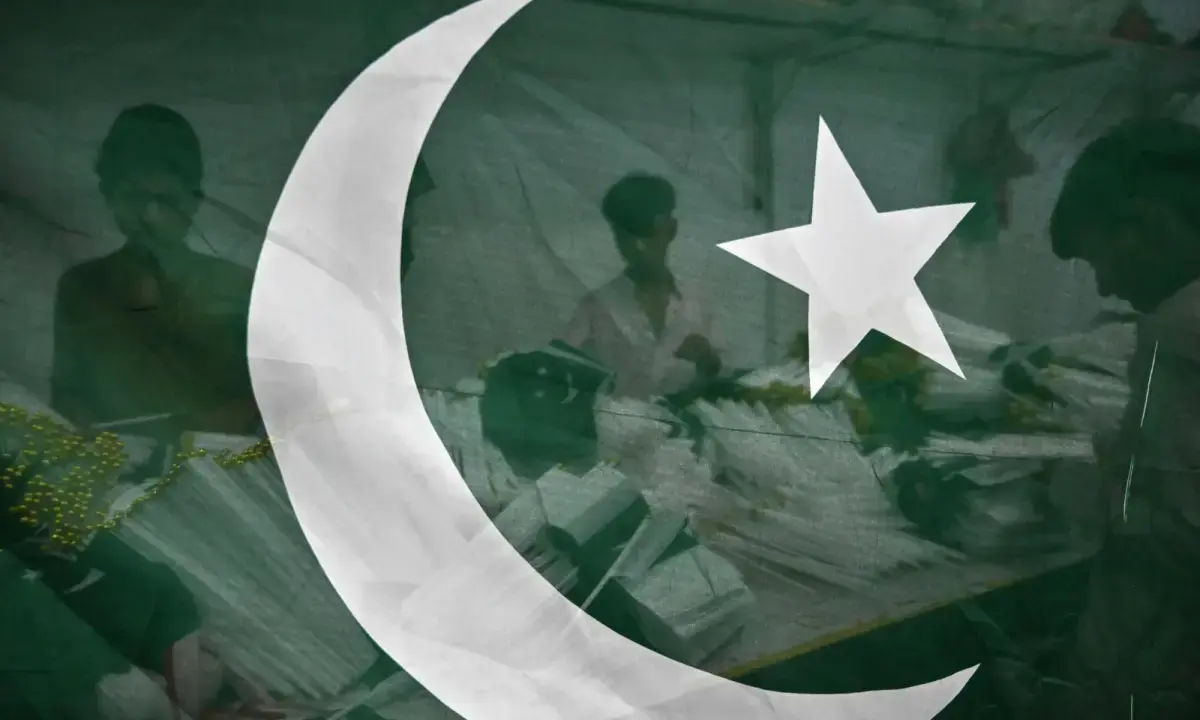
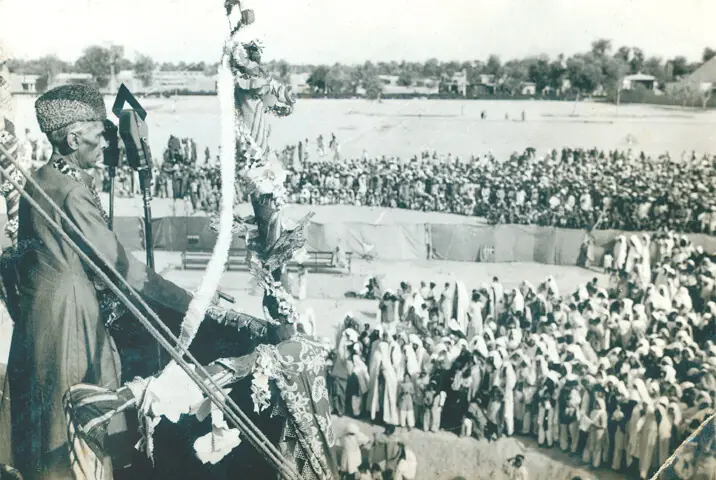
Two-Nation Theory and the Genesis of Pakistan
Translated from English, summarized and contextualized by DistantNews.
At a glance
Analysis
Sources not specified
Context piece
- Pakistan's national identity is closely tied to the Two-Nation Theory and the political struggle led by Muhammad Ali Jinnah.
- The demand for Pakistan stemmed from the belief that Muslims were a distinct political community needing constitutional protection.
- The country's history, including the 1971 separation of East Pakistan, continues to fuel debates on federalism, autonomy, and national identity.
The creation of Pakistan and the rise of Muslim political consciousness in South Asia were the result of a protracted constitutional and political struggle spearheaded by Quaid-i-Azam Muhammad Ali Jinnah. The core of the demand for Pakistan rested on the conviction that the Muslims of British India constituted a unique political community requiring robust constitutional safeguards and effective political representation.
Consequently, Pakistan's national identity remains deeply intertwined with the foundational ideas that propelled the Pakistan Movement. The nation's history, particularly the political crisis of 1971 that led to the separation of East Pakistan, offers critical lessons.
In the post-1971 era, ongoing discussions concerning the nature of the federation, provincial autonomy, and the very definition of national identity persist. These debates underscore the imperative of learning from historical events rather than leveraging them for narrow political agendas.
DistantNews Editorial
Originally published by Dawn in English. Translated, summarized, and contextualized by our editorial team with added local perspective. Read our editorial standards.
More Stories

From Our Blog

What Gets Lost (and Found) When News Is Translated

The Critical Role of Diaspora Media in Global News

What Travellers Should Know About Countries with Restricted Press

A Digital Nomad's Guide to Following Local News

How the Same Story Looks Different in Different Countries
