


Two South Korean ships pass Strait of Hormuz; three remain
Translated from Korean, summarized and contextualized by DistantNews.
At a glance
News
Official statement
Ongoing story
- Two more South Korean ships have passed through the Strait of Hormuz, with four South Korean sailors aboard.
- A total of three South Korean vessels remain in the Strait, including one undergoing repairs.
- The situation remains tense following recent attacks and retaliatory strikes between Iran and the United States.
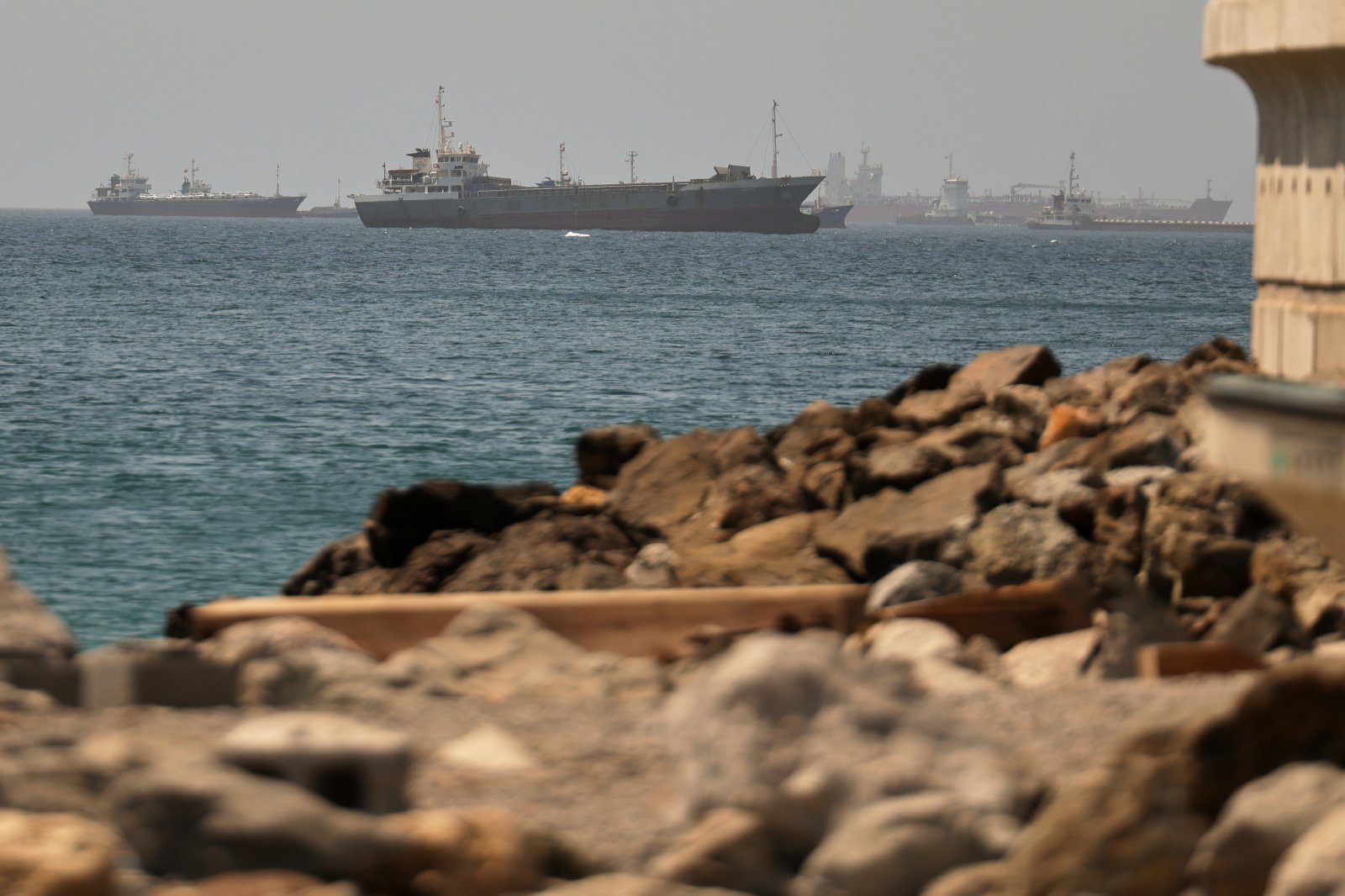
Two South Korean vessels have successfully navigated the Strait of Hormuz, adding to the number of ships that have exited the critical waterway. The Ministry of Oceans and Fisheries confirmed on May 27 that two vessels operated by South Korean companies passed through the strait and are continuing their voyages. Four South Korean sailors are currently on board these ships, though none are destined for South Korea.
This development means that three South Korean ships remain within the Strait of Hormuz. One of these is the HMM Namu, which has been undergoing repairs in Dubai since being attacked in early April. The remaining vessels are expected to pass through according to their operational schedules and in consultation with relevant countries, excluding the one under repair.
Two vessels operated by our companies have passed through the Strait of Hormuz and are proceeding normally.
Initially, 26 South Korean ships were held in the Strait of Hormuz following the outbreak of conflict between the United States and Iran in late February. Many have since departed sequentially after a memorandum of understanding was signed between the two nations to de-escalate tensions. However, the situation has become volatile again after Iran attacked a merchant ship exiting the Strait on May 26, leading to retaliatory strikes by the United States.
The ongoing instability in the region poses a continued risk to maritime traffic. While South Korean vessels are navigating these challenges, the broader geopolitical tensions underscore the precariousness of international shipping lanes, particularly in the sensitive Strait of Hormuz.
The remaining ships, excluding the one undergoing repairs, plan to pass through according to consultations with relevant countries and their own operational schedules (cargo loading, etc.).
DistantNews Editorial
Originally published by Hankyoreh in Korean. Translated, summarized, and contextualized by our editorial team with added local perspective. Read our editorial standards.
More Stories


From Our Blog

What Gets Lost (and Found) When News Is Translated

The Critical Role of Diaspora Media in Global News

What Travellers Should Know About Countries with Restricted Press

A Digital Nomad's Guide to Following Local News

How the Same Story Looks Different in Different Countries
