

US Strikes Iran Missile, Drone Bases After Cargo Ship Attack
Translated from Korean, summarized and contextualized by DistantNews.
At a glance
News
Named sources
New plan
- The U.S. military conducted airstrikes on Iranian missile and drone bases following an attack on a cargo ship.
- President Trump called the Iranian attack a "foolish violation" of a ceasefire agreement.
- The incident occurred amid sensitive negotiations between the U.S. and Iran regarding a permanent end to hostilities.
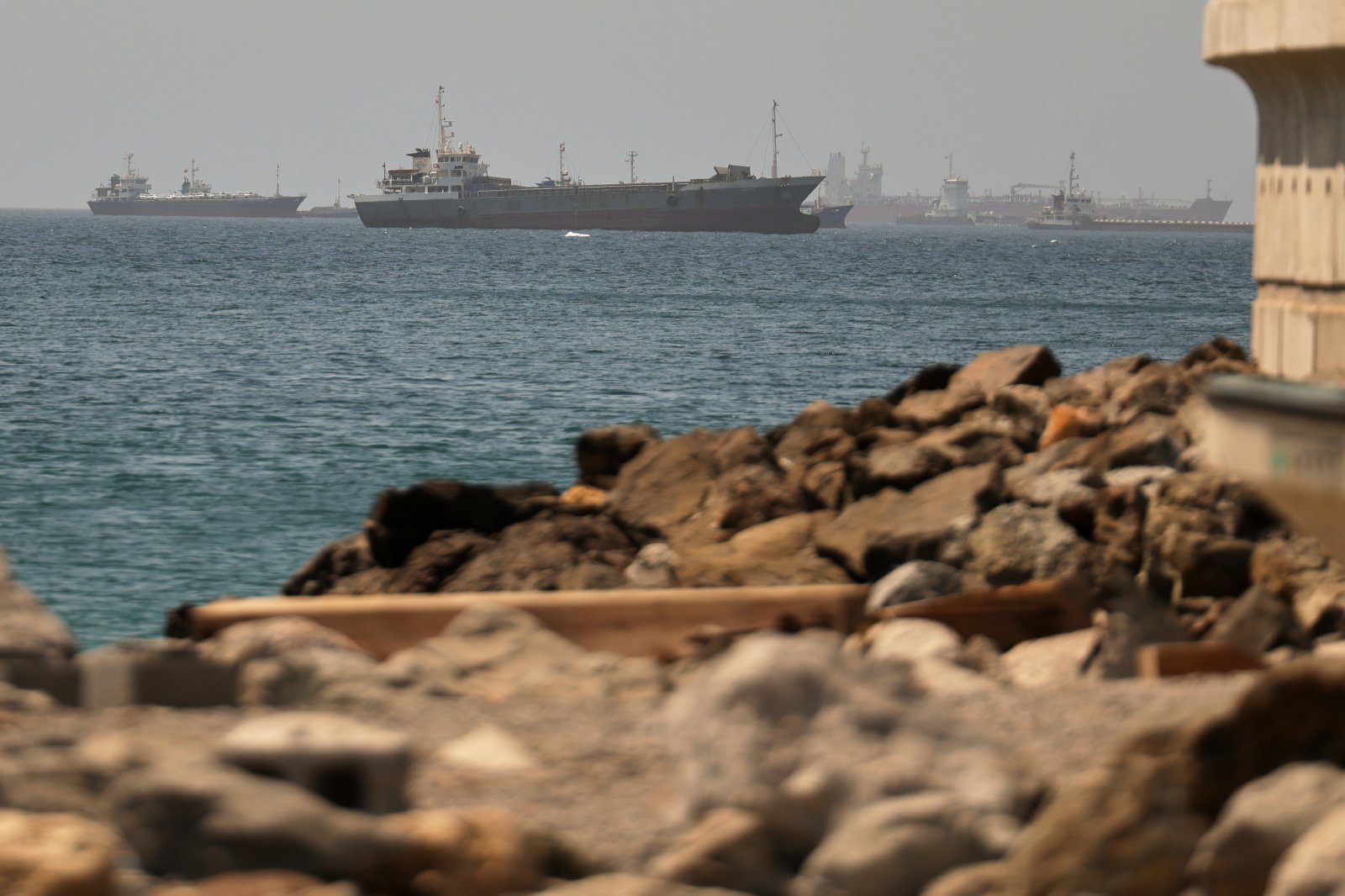
The U.S. military carried out airstrikes against Iran on Tuesday, targeting missile and drone bases as well as coastal radar installations. This action came in response to an Iranian drone attack on a cargo ship in the Strait of Hormuz the previous day. U.S. President Donald Trump condemned the attack, labeling it a "foolish violation" of a ceasefire agreement.
foolish violation of the ceasefire agreement
According to U.S. Central Command, the strikes were a direct response to Iran's aggression against the commercial vessel. President Trump stated that one of four drones launched by Iran damaged the cargo ship, but the vessel remained operational. The U.S. military reported intercepting the other three drones. Trump indicated that the U.S. would respond to the attack, telling reporters, "You will know soon." He expressed displeasure with Iran's actions.
The attack on the cargo ship, which occurred off the coast of Oman, happened just hours after Iran issued a warning to ships using the crucial waterway. The UK Maritime Trade Operations reported no casualties. This incident unfolds during a sensitive period as the U.S. and Iran are engaged in negotiations aimed at permanently ending hostilities. Despite a recent interim agreement, Iran has increased its challenges to U.S. and regional control over the Strait of Hormuz.
You will know soon.
The International Maritime Organization (IMO) temporarily suspended its operation to ferry ships through the strait following the attack, vowing not to resume until assurances of safety are provided. The IMO's Secretary General noted that while approximately 115 ships have exited the strait, around 500 remain in the area. The opening of an alternative route was expected to ease pressure on the global economy and remove a key bargaining chip for Iran in its peace talks with the U.S. However, the recent attack has cast a shadow over these efforts, testing the commercial trust in the Strait of Hormuz.
The commercial trust in the Strait of Hormuz has come to its first significant test.
DistantNews Editorial
Originally published by Dong-A Ilbo in Korean. Translated, summarized, and contextualized by our editorial team with added local perspective. Read our editorial standards.
More Stories


From Our Blog

What Gets Lost (and Found) When News Is Translated

The Critical Role of Diaspora Media in Global News

What Travellers Should Know About Countries with Restricted Press

A Digital Nomad's Guide to Following Local News

How the Same Story Looks Different in Different Countries
