

U.S. alcohol is a bargaining chip in trade talks, but how much is it worth?
Summarized and contextualized by DistantNews.
At a glance
News
Sources not specified
Context piece
- U.S. alcohol sales in Canada have become a key bargaining chip in upcoming trade talks, following over a year of boycotts on Canadian store shelves.
- Experts suggest the leverage extends beyond financial implications to political pressure, as Canadian boycotts significantly impact U.S. businesses.
- The situation is complicated by U.S. tariffs imposed in response to Canadian measures, with upcoming deadlines and political maneuvering influencing the negotiations.
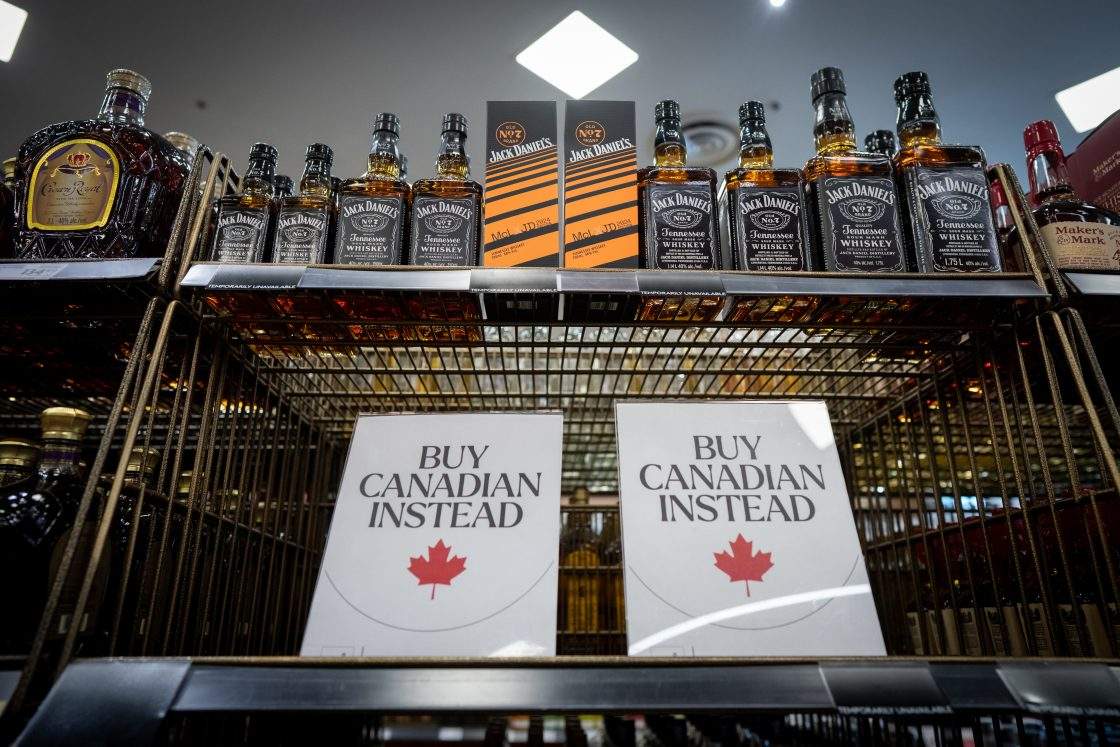
The future of American alcohol sales in Canada is poised to be a central issue in upcoming trade negotiations, serving as a significant bargaining chip for both nations. For over a year, American alcoholic beverages have been largely absent from Canadian store shelves due to boycotts, a retaliatory measure against U.S. tariffs.
This boycott has created substantial leverage for Canada, extending beyond mere financial impact. Andrew DiCapua, principal economist at the Canadian Chamber of Commerce, highlights that the significant drop in sales is being felt keenly by U.S. businesses, prompting political pressure from American senators and members of Congress who are hearing from their constituents.
There seems to be some political angst in the United States from those senators and members of Congress hearing from their local businesses that these sales are down significantly. Canadians are the number one customer.
"Canadians are the number one customer," DiCapua stated, emphasizing the political weight of this issue. He further noted, "So that is a point of leverage, for sure, and at the end of the day, this is a political decision."
The trade landscape has been tense, particularly after U.S. President Donald Trump announced a 50% tariff increase in response to what he termed "discriminatory" Canadian measures, including provincial and territorial boycotts on American alcohol. These tariffs are slated to take effect on August 19th.
Amidst these high-stakes negotiations, Conservative Leader Pierre Poilievre has criticized Prime Minister Mark Carney, accusing him of conceding to multiple U.S. demands. Poilievre urged Carney to resist further concessions, including pressuring provinces to reinstate American alcohol on store shelves.
So that is a point of leverage, for sure, and at the end of the day, this is a political decision.
Public sentiment in Canada largely supports the boycotts. A recent survey indicates that the majority of Canadians understand the critical nature of these negotiations for the Canadian economy. Karl Littler, senior vice-president of public affairs at the Retail Council of Canada, commented, "I think most Canadians understand that this is a pretty existential set of negotiations for the Canadian economy, at least for the near term. And so I broadly get a sense that there’s public backing for [the boycotts]."
This complex interplay of economic interests, political pressure, and public opinion underscores the multifaceted nature of the trade dispute, with American alcohol serving as a potent symbol of the broader economic and political tensions between the two North American neighbors.
I think most Canadians understand that this is a pretty existential set of negotiations for the Canadian economy, at least for the near term. And so I broadly get a sense that there’s public backing for [the boycotts].
DistantNews Editorial
Originally published by Global News. Summarized and contextualized by our editorial team with added local perspective. Read our editorial standards.
More Stories

From Our Blog

What Gets Lost (and Found) When News Is Translated

The Critical Role of Diaspora Media in Global News

What Travellers Should Know About Countries with Restricted Press

A Digital Nomad's Guide to Following Local News

How the Same Story Looks Different in Different Countries
