


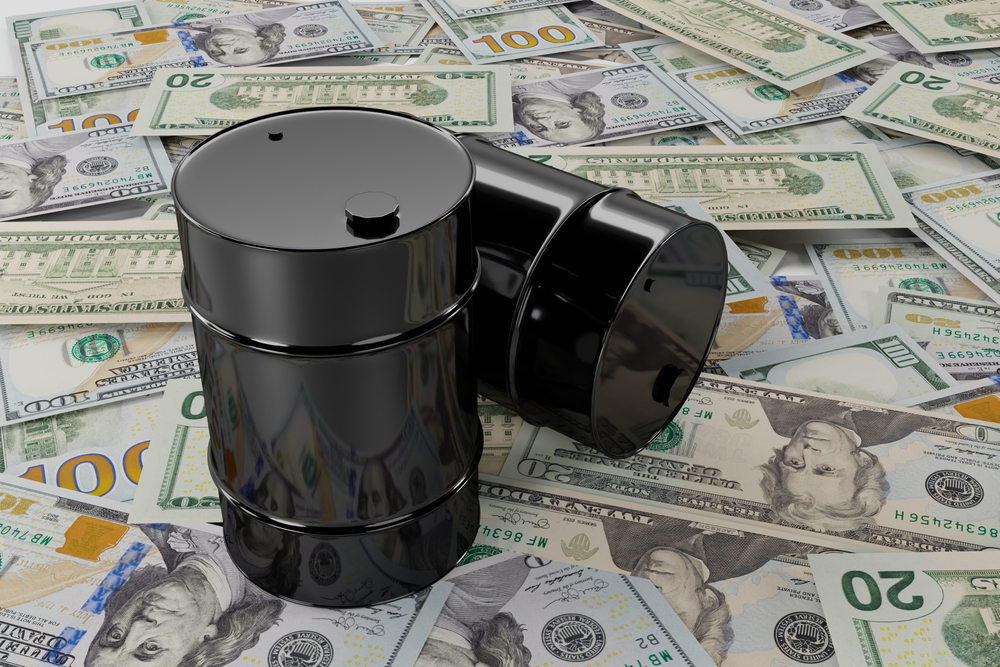
U.S. oil prices hit lowest since war began amid Strait of Hormuz recovery
Translated from Spanish, summarized and contextualized by DistantNews.
At a glance
News
Named sources
Context piece
- U.S. oil prices hit their lowest point since the start of the Middle East war, with WTI crude closing at $70.34 per barrel.
- The price drop is attributed to the gradual recovery of maritime traffic through the Strait of Hormuz following diplomatic progress between the U.S. and Iran.
- Despite falling oil prices, President Trump criticized the lack of a corresponding decrease in gasoline prices for consumers and ordered an investigation into major oil companies.
U.S. oil prices plummeted to their lowest levels since the Middle East conflict began, with West Texas Intermediate (WTI) crude closing at $70.34 per barrel. The significant drop reflects market reactions to the gradual restoration of maritime traffic through the Strait of Hormuz, a critical artery for global oil trade.
During trading, WTI even dipped below $70 before recovering slightly. The international benchmark, Brent crude, also reached its lowest point since late February. Data from the specialized platform Kpler indicated that daily traffic through the Strait of Hormuz has been recovering, though it remains below pre-conflict averages. The International Maritime Organization is implementing a plan to evacuate approximately 11,000 stranded sailors from the region.
The market's response was also influenced by a memorandum of understanding signed between the United States and Iran, aimed at reopening the strait and facilitating new negotiations on Iran's nuclear program. This diplomatic development has eased concerns about potential supply disruptions.
However, the decrease in oil prices has not translated into lower gasoline costs for consumers, prompting criticism from U.S. President Donald Trump. He announced that the Department of Justice would investigate major oil companies for potentially price gouging. Analysts suggest this move is politically motivated, given the upcoming midterm elections, and note that a lag between international oil price drops and retail gasoline prices is common.
While the reopening of the Strait of Hormuz has eased energy market pressure, geopolitical tensions continue to impact shipping costs. Insurer Allianz warned that insurance premiums for vessels and cargo remain elevated, with around 1,150 cargo ships carrying an estimated $125 billion in goods awaiting normal operations in the Persian Gulf.
I don't want, I NEED to meet him, I'm sure he's one of my distant cousins.
DistantNews Editorial
Originally published by Prensa Libre in Spanish. Translated, summarized, and contextualized by our editorial team with added local perspective. Read our editorial standards.
More Stories


From Our Blog

What Gets Lost (and Found) When News Is Translated

The Critical Role of Diaspora Media in Global News

What Travellers Should Know About Countries with Restricted Press

A Digital Nomad's Guide to Following Local News

How the Same Story Looks Different in Different Countries
