


U.S. Supreme Court Ruling on TPS Leaves 17 Countries More Exposed to Deportation
Translated from Spanish, summarized and contextualized by DistantNews.
At a glance
News
Named sources
Outcome reported
- The U.S. Supreme Court upheld the Department of Homeland Security's authority to terminate Temporary Protected Status (TPS).
- This decision leaves beneficiaries from 17 countries vulnerable to deportation.
- The ruling specifically addressed TPS for Haiti and Syria, but its effects could extend to other nations.
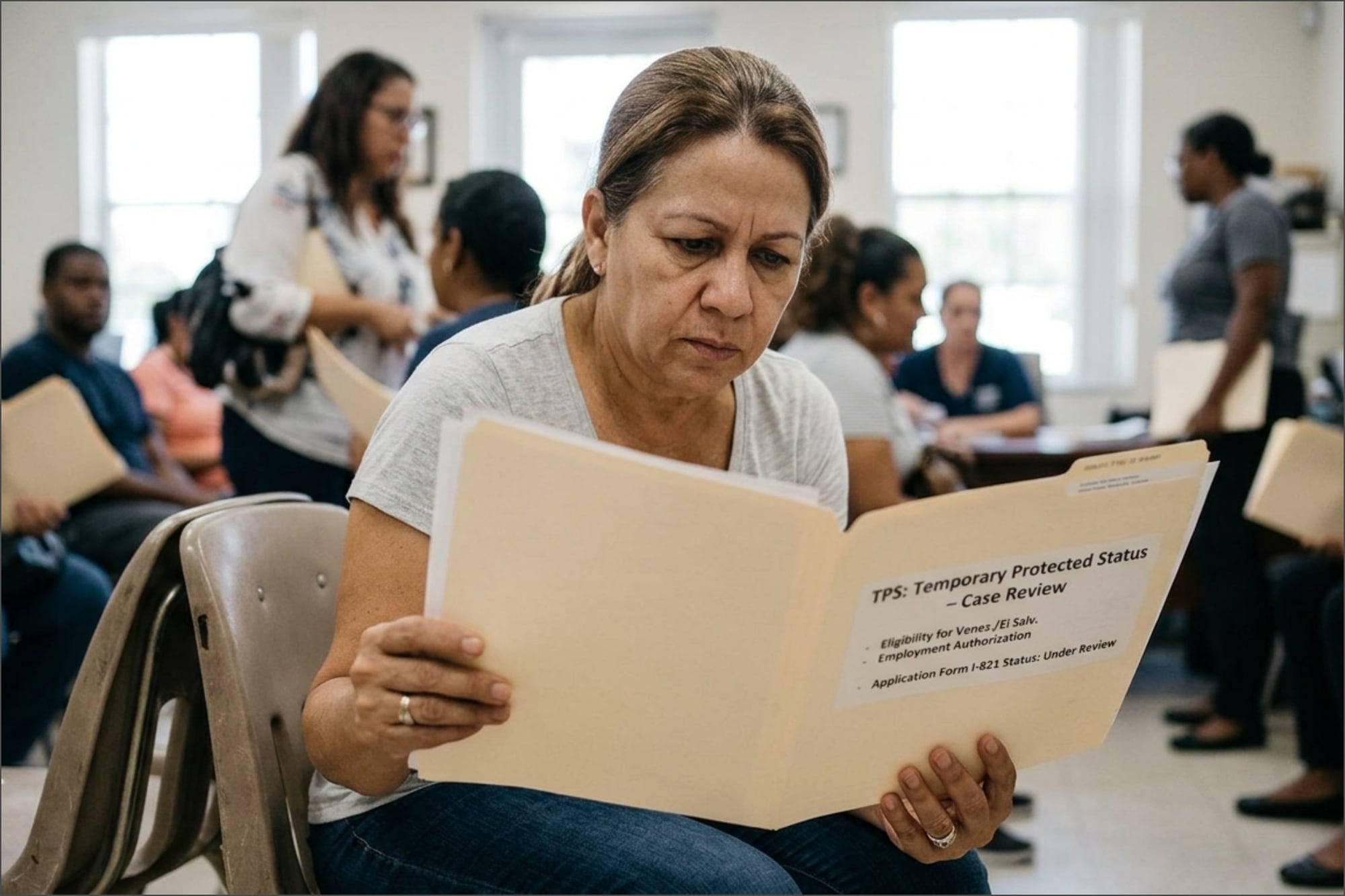
The U.S. Supreme Court's decision to uphold the Department of Homeland Security's authority to end Temporary Protected Status (TPS) leaves beneficiaries from 17 countries more exposed to deportation. The ruling, which sided with the Trump administration, determined that lower courts cannot revoke DHS designations.
This judicial victory for the administration means that TPS beneficiaries could face removal proceedings. While the ruling specifically concerns TPS for Haiti and Syria, its potential impact reaches citizens of other nations currently holding TPS. Since taking office, the Trump administration had already revoked TPS designations for migrants from Afghanistan, Cameroon, Ethiopia, Honduras, Myanmar, Nepal, Nicaragua, Somalia, South Sudan, Venezuela, and Yemen.
Although a detailed national timeline for the termination of protections is unclear, the decision could lead to the elimination of TPS for all holders in the coming months. Lawsuits challenging the administration's revocations are likely to be dismissed following this resolution. Work permits for hundreds of thousands of Haitians and thousands of Syrians are nearing expiration due to the court's shift in direction.
Some political leaders have voiced concerns. Ohio Governor Mike DeWine warned that TPS beneficiaries in his state are now in a state of illegality and could be deported immediately. He noted that individuals who were legally employed and contributing to the economy yesterday are now considered illegally employed today.
DistantNews Editorial
Originally published by La Nación in Spanish. Translated, summarized, and contextualized by our editorial team with added local perspective. Read our editorial standards.
More Stories


From Our Blog

What Gets Lost (and Found) When News Is Translated

The Critical Role of Diaspora Media in Global News

What Travellers Should Know About Countries with Restricted Press

A Digital Nomad's Guide to Following Local News

How the Same Story Looks Different in Different Countries
