


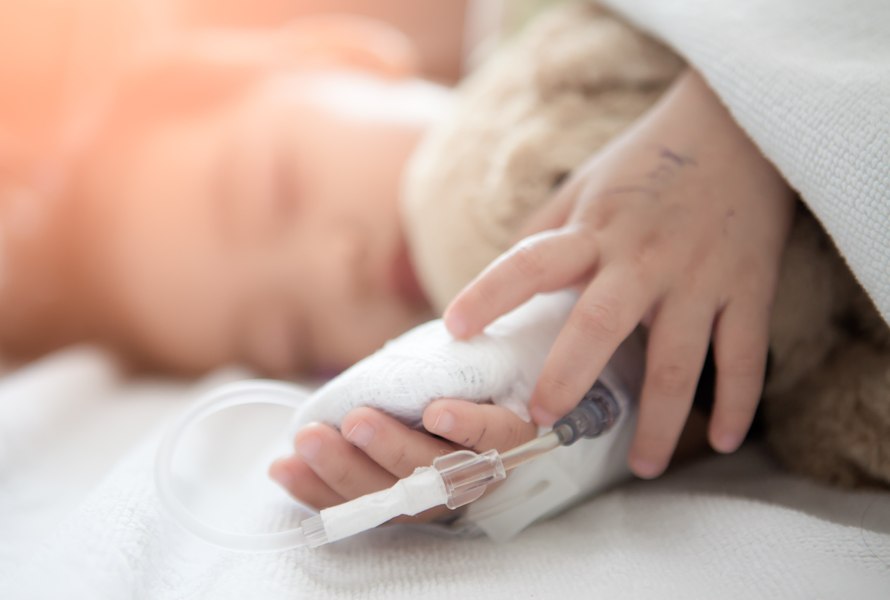
UK children with brain cancer denied trial access due to Brexit fallout
Translated from Romanian, summarized and contextualized by DistantNews.
At a glance
News
Sources not specified
Context piece
- Children in the UK with a rare and aggressive form of brain cancer are denied access to an international clinical trial due to Brexit's impact on medical collaboration with the EU.
- The Biomede study, testing new drug combinations with radiotherapy for diffuse intrinsic pontine glioma (DIPG), is delayed in the UK because it must undergo separate national approval processes post-Brexit.
- Cancer Research UK warns that these delays hinder patient access to potentially life-extending experimental treatments and urges closer alignment between UK and EU systems.
Children in the United Kingdom diagnosed with a rare and aggressive form of brain cancer are missing out on an international clinical trial that could offer them a better chance of survival. The delay stems from the effects of Brexit on medical collaboration between the UK and the European Union.
Children diagnosed with diffuse intrinsic pontine glioma (DIPG), a rare and extremely aggressive form of brain cancer, are being deprived of access to an international clinical trial that could offer an additional chance of survival, due to the effects of Brexit on medical collaboration between Great Britain and the European Union.
The affected children have diffuse intrinsic pontine glioma (DIPG), a brain tumor considered incurable and inoperable. The UK diagnoses around 30 children with DIPG annually. Families had pinned their hopes on the international Biomede study, which tests the efficacy of combined drug and radiotherapy treatments. This program is running in several European countries and has advanced to a new phase approved by EU regulators.
However, the second phase of the study is stalled in the UK. Since leaving the EU, the country is no longer part of the common European system for authorizing clinical trials. Consequently, research must now go through separate national approval procedures, causing significant delays. Oncology experts warn that these delays directly impact patients' access to experimental treatments that could prolong their lives.
The second phase of the study is delayed because, after Brexit, the country is no longer part of the European common system for authorizing clinical trials. Thus, the research must go through national approval procedures again.
Cancer Research UK states that Brexit has complicated the launch of clinical trials with European partners and increased medical research costs. The organization is calling for closer alignment between the British and European systems to prevent administrative blockages. DIPG affects the brainstem, controlling vital functions like breathing and heart rate. Its location makes surgery impossible, and no curative treatment currently exists. Professor Chris Jones from the Institute of Cancer Research notes that the survival rate is extremely low, with most children succumbing to the disease within two to three years of diagnosis.
Experts warn about the consequences. Oncology experts argue that delays affect patients' access to experimental treatments that could prolong life.
The lack of access to certain clinical trials has already pushed many British families to seek experimental treatments abroad. The Independent highlighted the case of Emily Oliver, a young DIPG patient who participated in an experimental program in Germany developing a personalized tumor vaccine. Her family traveled monthly to Germany to pursue this option, demonstrating the lengths parents will go to find hope for their children.
Brexit has complicated the launch of clinical trials conducted with European partners and increased the costs of medical research. The organization calls for closer alignment of the British system with the European one to avoid administrative blockages.
DistantNews Editorial
Originally published by Adevărul in Romanian. Translated, summarized, and contextualized by our editorial team with added local perspective. Read our editorial standards.
More Stories


From Our Blog

What Gets Lost (and Found) When News Is Translated

The Critical Role of Diaspora Media in Global News

What Travellers Should Know About Countries with Restricted Press

A Digital Nomad's Guide to Following Local News

How the Same Story Looks Different in Different Countries
