

UK museum entry fee proposal for tourists sparks backlash
Translated from English, summarized and contextualized by DistantNews.
TLDR
- The UK government is exploring the possibility of charging international tourists entry fees for national museums to support the arts sector.
- This proposal faces criticism from restitution groups and countries demanding the return of artifacts acquired during the colonial era.
- Critics argue that charging fees is unfair, especially for countries seeking the repatriation of their heritage, such as Greece's Parthenon Sculptures and Nigeria's Benin Bronzes.
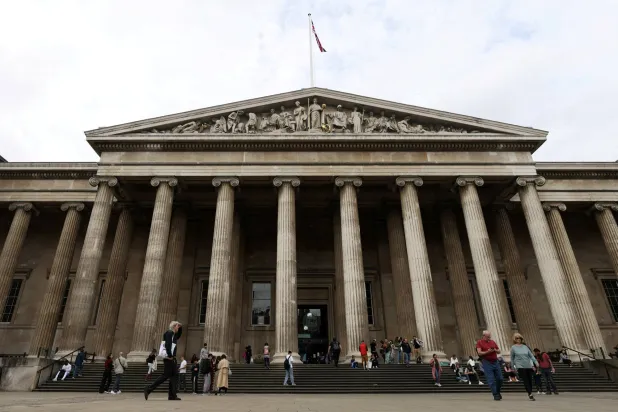
A proposal by the UK government to introduce entry fees for international tourists visiting national museums has ignited a firestorm of criticism, particularly from restitution advocates and nations seeking the return of their cultural heritage. While the government frames this as a potential avenue to bolster the arts sector, the timing and implications are deeply contentious, especially given the ongoing global dialogue surrounding the repatriation of artifacts looted during the colonial era.
charging foreign visitors to view such objects raises issues of "fairness," particularly where restitution discussions remain ongoing
Free museum admission, a policy established in 2001 to democratize access to culture, is now under review. The government's stated intention to consult with the museum sector on the benefits of charging foreign visitors could, if implemented, create a significant barrier for many. This move is seen by critics as particularly galling when disputed artifacts, such as the Parthenon Sculptures and the Benin Bronzes, remain prominently displayed, fueling demands for their return.
unethical
Nations like Ghana, which have artifacts held in British institutions, have voiced strong objections. Foreign Minister Samuel Okudzeto Ablakwa highlighted the "fairness" issue, especially when restitution discussions are active. Similarly, representatives from the Caribbean Community and Grenada have decried the proposal as "unethical," questioning why heritage should be behind a paywall. Organizations like Open Restitution Africa (ORA) argue that charging fees exacerbates existing inequalities faced by Africans and others in accessing their own heritage, which is already hampered by visa requirements and travel costs.
Why should we have to pay to see our heritage?
From the perspective of countries seeking restitution, this proposal represents a step backward. It suggests a continued reluctance to fully address the legacy of colonialism and a prioritization of revenue over the ethical return of cultural property. While the British Museum maintains its collection offers a unique global perspective, critics argue this perspective comes at the cost of cultural dispossession. The debate highlights a fundamental clash between the UK's desire to monetize its cultural institutions and the growing international demand for decolonization and the repatriation of cultural heritage.
the priority should be to return the artifacts to their "rightful owners."
DistantNews Editorial
Originally published by Asharq Al-Awsat in English. Translated, summarized, and contextualized by our editorial team with added local perspective. Read our editorial standards.
More Stories



From Our Blog

What Gets Lost (and Found) When News Is Translated

The Critical Role of Diaspora Media in Global News

What Travellers Should Know About Countries with Restricted Press

A Digital Nomad's Guide to Following Local News

How the Same Story Looks Different in Different Countries
