

UK Politicians Outraged by US Suggestion on Falklands Sovereignty
Translated from Dutch, summarized and contextualized by DistantNews.
TLDR
- British politicians across the political spectrum expressed anger over a U.S. suggestion that the Falkland Islands do not belong to the United Kingdom.
- The U.S. proposal has sparked a strong reaction, with many UK lawmakers condemning the idea.
- The status of the Falkland Islands remains a sensitive issue, particularly given historical context and national sentiment.
A recent U.S. suggestion that the Falkland Islands are not part of the United Kingdom has ignited a firestorm of indignation among British politicians from both the left and the right. This assertion, perceived as a direct challenge to British sovereignty, has been met with widespread condemnation and disbelief across the political spectrum.
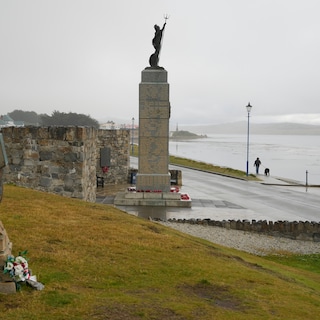
Lawmakers have voiced their outrage, emphasizing the historical and legal ties that bind the Falkland Islands to the UK. The islands, known locally as the Malvinas in Argentina, have been a subject of international dispute, but their status as a British Overseas Territory is a deeply ingrained aspect of British national identity and foreign policy. The suggestion that this status is in question has been interpreted as a significant diplomatic misstep and an affront to British sovereignty.
This U.S. proposal, regardless of its origin or intent, touches upon a deeply sensitive nerve in British public and political consciousness. The strong, unified reaction underscores the unwavering commitment to the principle of self-determination for the islanders, who overwhelmingly voted to remain a part of the UK in a 2013 referendum. The British government and Parliament are expected to reiterate their firm stance on the sovereignty of the Falkland Islands, reinforcing the historical narrative and the wishes of the islanders.
DistantNews Editorial
Originally published by De Volkskrant in Dutch. Translated, summarized, and contextualized by our editorial team with added local perspective. Read our editorial standards.
More Stories
/s3/static.nrc.nl/images/gn4/stripped/data147151326-faf9b6.jpg)
/s3/static.nrc.nl/wp-content/uploads/2026/04/17154808/210426ECO_2033091738_uitspraakhof.jpg)
/s3/static.nrc.nl/wp-content/uploads/2026/04/20163458/200426DEN_2033140719_steunpakketDragend1.jpg)
From Our Blog

What Gets Lost (and Found) When News Is Translated

The Critical Role of Diaspora Media in Global News

What Travellers Should Know About Countries with Restricted Press

A Digital Nomad's Guide to Following Local News

How the Same Story Looks Different in Different Countries
