

Ukraine moves to curb scrap metal exports, diverting war spoils from domestic industry
Translated from Polish and summarized by DistantNews. Read the original for the full story.
At a glance
News
Sources not specified
New plan
- Ukraine faces significant losses as scrap metal from the front lines and destroyed factories is exported, primarily to the EU.
- The Ukrainian steel sector argues that this scrap is crucial raw material for domestic production and that current export rules, which exempt EU trade, are detrimental.
- Industry representatives propose implementing quotas or restrictions to protect the domestic market and encourage value-added production within Ukraine.
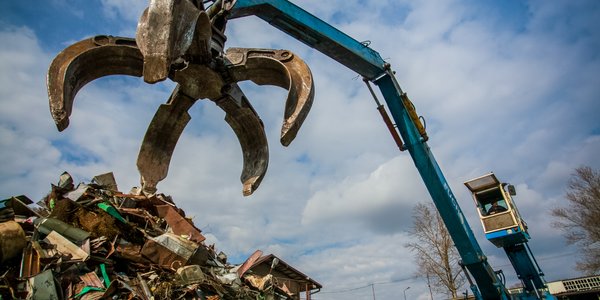
Ukraine is grappling with a significant outflow of scrap metal, a byproduct of the ongoing war, which is being diverted from domestic industries to the European Union market. This situation is causing considerable financial losses and drawing criticism from the Ukrainian steel sector, which relies on this material as a crucial raw resource.
Thousands of tons of damaged military equipment and materials from destroyed factories are accumulating on the front lines. While Ukrainian metallurgy requires this scrap for production, a substantial portion is being exported, particularly to the EU. Industry representatives highlight that current export duties on scrap metal, set at 180 euros per ton, do not apply to trade with EU countries. This loophole allows scrap to be exported, often through Poland, to destinations like Turkey, bypassing Ukrainian revenue streams.
Ukraine should use available trade mechanisms to protect its domestic market and support domestic scrap recycling instead of its export.
According to estimates within the metallurgical industry, these "grey" export schemes have already cost the Ukrainian budget over 3 billion hryvnias (approximately $80 million USD). Serhiy Kudryavtsev, a representative of the ferroalloy industry, stated that Ukraine should utilize available trade mechanisms to safeguard its domestic market and support national scrap recycling efforts instead of facilitating exports.
Kudryavtsev further argued that Ukrainian metallurgical producers face various restrictions, including tariff, environmental, and quota limits, within the EU market. As a member of the World Trade Organization, Ukraine has the right to employ WTO-sanctioned mechanisms to protect its internal market. He stressed that the state should prioritize domestic production, value-added manufacturing, and earning foreign currency from finished goods rather than solely from scrap transactions. Before the war, domestic demand for scrap was high, making in-country processing more economically viable than exporting and then re-importing the material at a higher cost.
The state should be interested in production, creating added value in Ukraine and earning foreign currency from finished products, not just from scrap transactions.
About this summary
Originally published by Rzeczpospolita in Polish. Translated, summarized, and contextualized automatically by DistantNews, with a note on how the source frames the story. Not individually reviewed before publishing. How this works.
More Stories
From Our Blog

What Gets Lost (and Found) When News Is Translated

The Critical Role of Diaspora Media in Global News

What Travellers Should Know About Countries with Restricted Press

A Digital Nomad's Guide to Following Local News

How the Same Story Looks Different in Different Countries
