

Ukraine Strikes Deep into Russia But Faces Strategic Disagreements at Home
Translated from Romanian, summarized and contextualized by DistantNews.
At a glance
Analysis
Named sources
Ongoing story
- Ukraine is striking deep into Russian territory, but faces strategic disagreements within its leadership, according to Romanian generals.
- Generals Dorin Toma and Virgil Bălăceanu suggest that while Ukraine fights heroically with significant Western aid, internal strategic divisions are hindering its efforts.
- The article questions Ukraine's ultimate objectives, debating whether the strategy is to maintain the front and force negotiations or to actively reclaim territory.
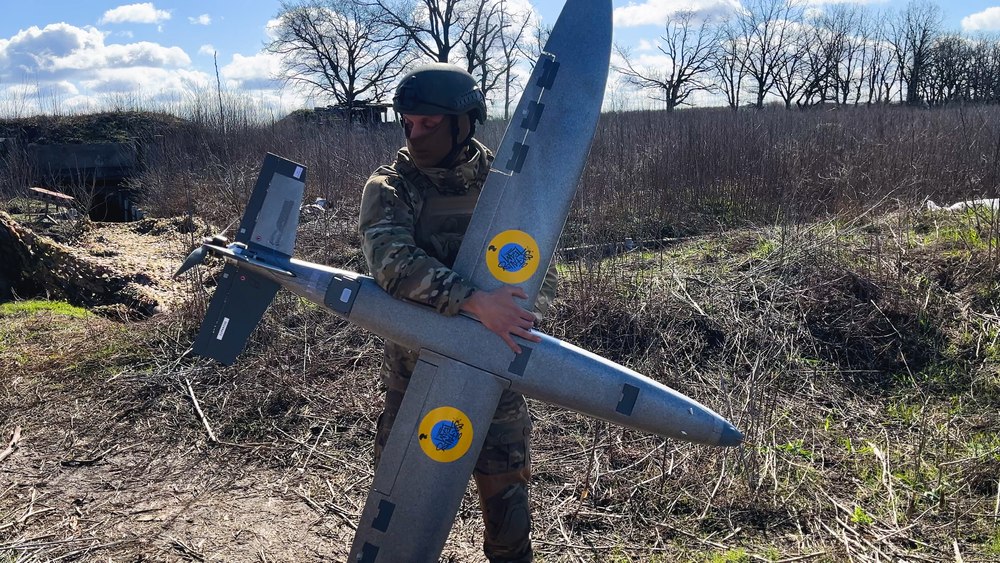
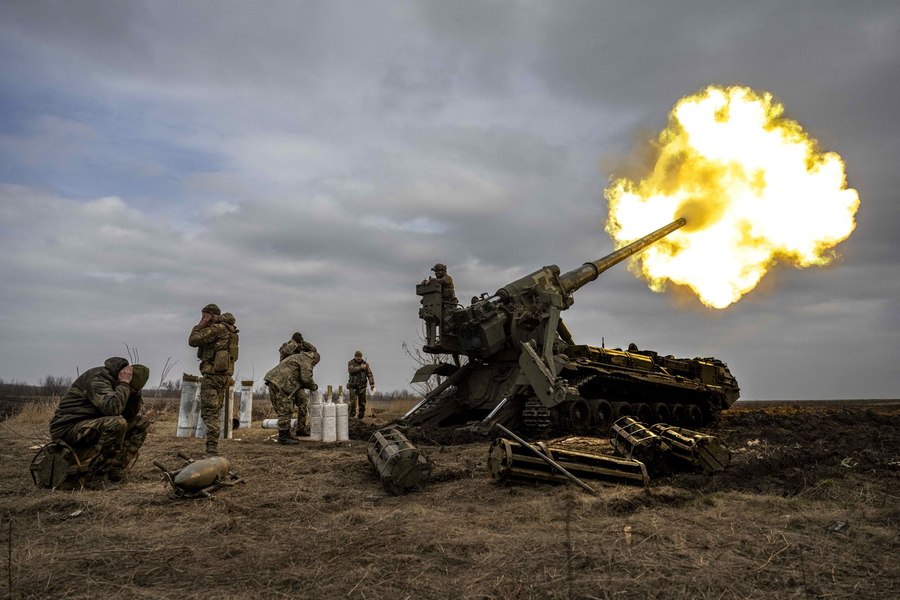
Ukraine continues to launch deep strikes into Russian territory, demonstrating resilience against a larger adversary. However, according to a strategic analysis by Romanian generals Dorin Toma and Virgil Bălăceanu, the Ukrainian front is facing internal challenges stemming from strategic disagreements within Kyiv's leadership.
General (ret.) Dorin Toma, former commander of NATO's Multinational Division Southeast Command, noted that while Ukrainian soldiers fight heroically and manage to hold the front despite Russia's superior resources, a lack of clear strategy at the highest levels is problematic. This internal discord was evident when President Volodymyr Zelensky dismissed the Minister of Defense and the chief of the army due to disagreements.
"I believe the Ukrainians do not have a very clear strategy. And this is where the discussion started, between the former Minister of Defense, Fedorov, the former army chief, General Syrsky," Toma explained. He questioned the ultimate objectives: "Are you aiming to maintain this front and tire out Putin and the Russian Federation to start negotiations, to come to the negotiating table for an armistice and perhaps later for peace? Or are you aiming to create certain conditions for the Ukrainian army to try to launch offensive actions to reclaim some territory? These are the questions they need to answer."
The generals suggest that differing opinions among key Ukrainian officers likely exist, potentially requiring different resources and actions. General Syrsky's reported demand for more personnel might indicate a strategy focused on offensive operations. The lack of a clear, unified vision for the war's end state complicates planning and resource allocation, potentially impacting Ukraine's long-term resistance and ability to achieve its goals.
I believe the Ukrainians do not have a very clear strategy. And this is where the discussion started, between the former Minister of Defense, Fedorov, the former army chief, general Sîrski. And we cannot help but ask ourselves what they actually want to achieve? They have somewhat obtained the initiative of deep strikes with the logistical isolation of Crimea, actions in the Sea of Azov and so on, in the Black Sea. But what is the objective? What is the strategy? What do you set out to do? Do you aim to maintain this front and tire out Putin and the Russian Federation to start negotiations, to come to the negotiating table for an armistice and perhaps later for peace? Or do you aim to create certain conditions for the Ukrainian army to try to launch offensive actions to reclaim some territory? These are the questions at which they should answer.
DistantNews Editorial
Originally published by Adevărul in Romanian. Translated, summarized, and contextualized by our editorial team with added local perspective. Read our editorial standards.
More Stories
From Our Blog

What Gets Lost (and Found) When News Is Translated

The Critical Role of Diaspora Media in Global News

What Travellers Should Know About Countries with Restricted Press

A Digital Nomad's Guide to Following Local News

How the Same Story Looks Different in Different Countries
