


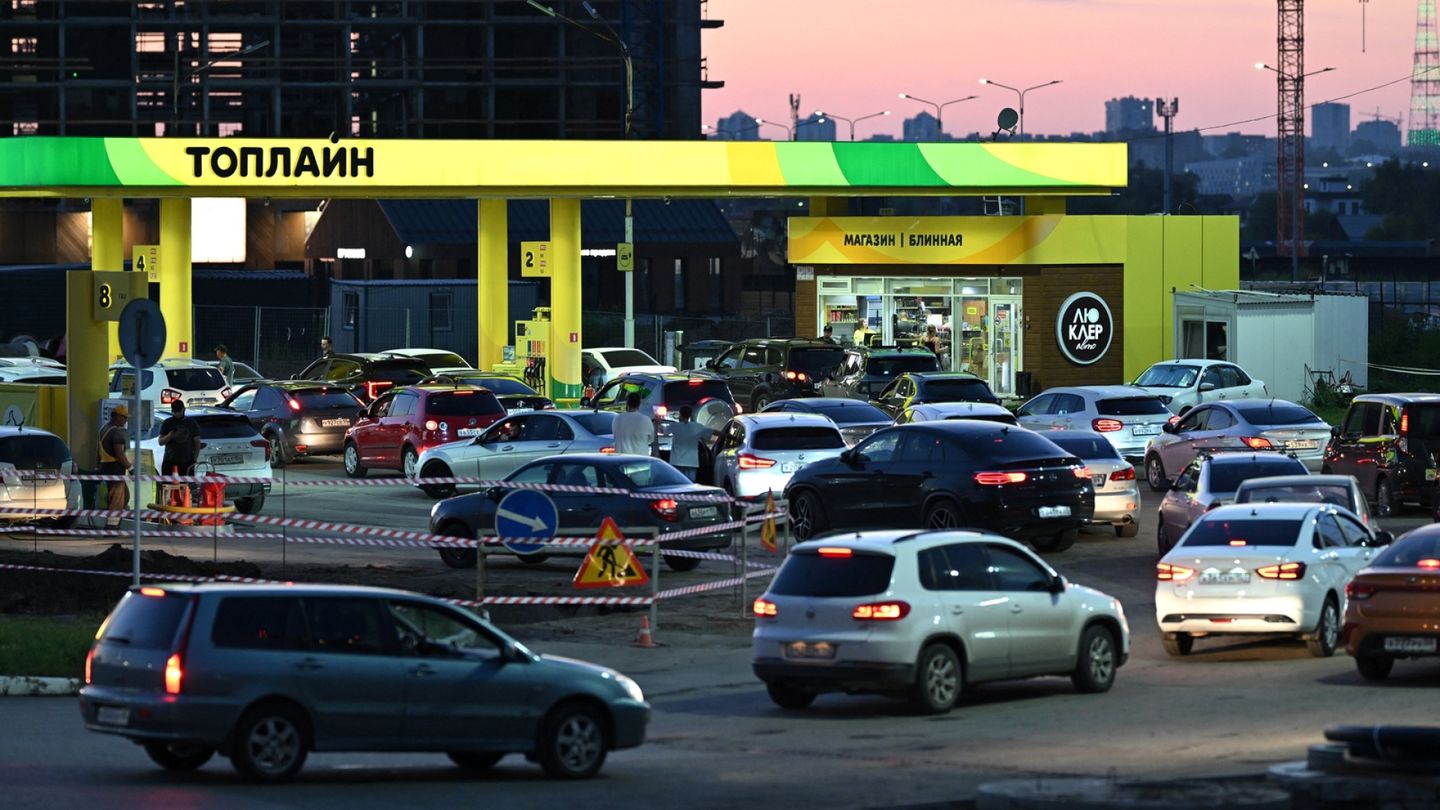
Ukraine strikes Russia's largest oil refinery, exacerbating gasoline crisis
Translated from Finnish, summarized and contextualized by DistantNews.
At a glance
News
Named sources
Context piece
- Ukraine successfully struck Russia's largest oil refinery in Omsk, forcing it to halt operations indefinitely.
- This strike means all of Russia's ten largest refineries have now been damaged by drone attacks at least once.
- The attacks coincide with a gasoline crisis in Russia, marked by sales restrictions and significant price increases, impacting the agricultural season and general goods prices.
Ukraine has successfully struck Russia's largest oil refinery in Omsk, over 2,500 kilometers from the front lines, forcing operations to a halt indefinitely. This incident marks a significant escalation, as it means none of Russia's ten largest oil refineries have escaped damage from drone attacks at least once since the start of summer.
Russia is currently facing a widespread gasoline crisis. Restrictions on gasoline sales have been implemented across all regions, and prices have surged dramatically. In some areas, prices have more than doubled, with official statistics showing the largest weekly increase in average gasoline prices in 20 years during the 25th week of the year.
In the summer, gasoline consumption in Russia is always 20 percent higher than in winter. Even before the war, some regions experienced local gasoline crises during the summer. They were not this extensive, of course.
Analysts note that Ukraine has chosen a critical time to intensify its attacks on Russian oil refineries. "In the summer, gasoline consumption in Russia is always 20 percent higher than in winter," said independent Russian economist Dmitri Nekrasov. He added that even before the current conflict, some regions experienced local gasoline crises during the summer, though not on this scale.
Chris Weafer, CEO of Macro-Strategy Ltd. Consultancy, agrees that the strikes hit at a crucial moment for the Russian economy, particularly as the agricultural season, especially the harvest, is accelerating. The delay in the start of the harvest season, attributed to fuel shortages and poor weather, further exacerbates the situation. Rising transportation costs, already announced by major road transport companies, will inevitably lead to increased prices for goods.
The strikes hit at a very critical moment for the Russian economy, as the agricultural season, especially the harvest season, is now accelerating.
DistantNews Editorial
Originally published by Helsingin Sanomat in Finnish. Translated, summarized, and contextualized by our editorial team with added local perspective. Read our editorial standards.
More Stories


From Our Blog

What Gets Lost (and Found) When News Is Translated

The Critical Role of Diaspora Media in Global News

What Travellers Should Know About Countries with Restricted Press

A Digital Nomad's Guide to Following Local News

How the Same Story Looks Different in Different Countries
