

Un hijo propio: The story behind the woman who stole a baby
Translated from Spanish, summarized and contextualized by DistantNews.
At a glance
In-depth
Sources not specified
Context piece
- The Netflix documentary "Un hijo propio" explores the extreme measures a woman took due to the pressure to become a mother.
- It recounts the real case of Eleanor Alejandra Marín, who stole a baby from a hospital after experiencing miscarriages and fertility treatments.
- Directed by Maite Alberdi, the film blends documentary and dramatized fiction to examine the circumstances and emotional state that led Alejandra to commit the crime.
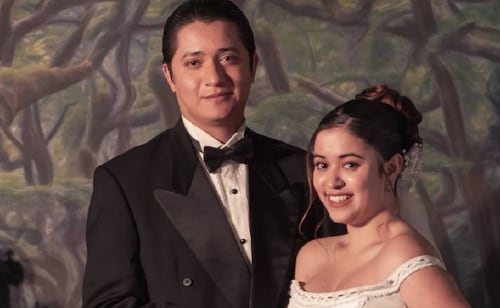
The documentary "Un hijo propio" on Netflix delves into the profound pressures women can face to become mothers, questioning how far one might go to fulfill that expectation. The film centers on the true story of Eleanor Alejandra Marín.
After enduring three miscarriages and years of fertility treatments, Marín resorted to stealing a newborn from a hospital in 2009. This act quickly became a public scandal. However, the documentary shifts focus from the crime itself to the complex circumstances that drove Alejandra to such an extreme.
One of the film's compelling aspects is its use of both documentary footage and dramatized fiction. This approach reconstructs the events of that year while also offering a window into Alejandra's emotional turmoil. "I think my desire to be a mom was to please others," Alejandra admits on camera, revealing a potential motivation rooted in external expectations.
The film further details how Alejandra went to great lengths to maintain the deception, even gaining 25 kilograms and wearing loose clothing to simulate a pregnancy. For several months, she managed to sustain this elaborate lie until the day of the supposed birth. Directed by Chilean documentarian Maite Alberdi, known for her impactful storytelling, the film features Ana Celeste in the role of Alejandra, bringing her fictionalized portrayal to life.
I think my desire to be a mom was to please others.
DistantNews Editorial
Originally published by El Universal in Spanish. Translated, summarized, and contextualized by our editorial team with added local perspective. Read our editorial standards.
More Stories


From Our Blog

What Press Freedom Means for the News You Read

What Gets Lost (and Found) When News Is Translated

The Critical Role of Diaspora Media in Global News

What Travellers Should Know About Countries with Restricted Press

A Digital Nomad's Guide to Following Local News
