

UN must refocus on peace, says expert
Translated from German, summarized and contextualized by DistantNews.
At a glance
Interview
Sources not specified
Context piece
- The United Nations faces a profound crisis, struggling to reflect global realities and resolve modern conflicts due to structural issues like the Security Council's veto power.
- Historian and UN expert Thant Myint-U argues that while the UN's effectiveness has varied, the Secretary-General can still act as a crucial
The United Nations is grappling with one of its deepest crises since its founding 81 years ago, as a shifting global order and structural limitations, particularly the Security Council's veto power, hinder its ability to address contemporary conflicts. The presence of Russia, an aggressor in the Ukraine conflict, on the Security Council highlights these challenges.
The question of the future of the UN is less important than the future of peace – and how the UN can contribute to it.
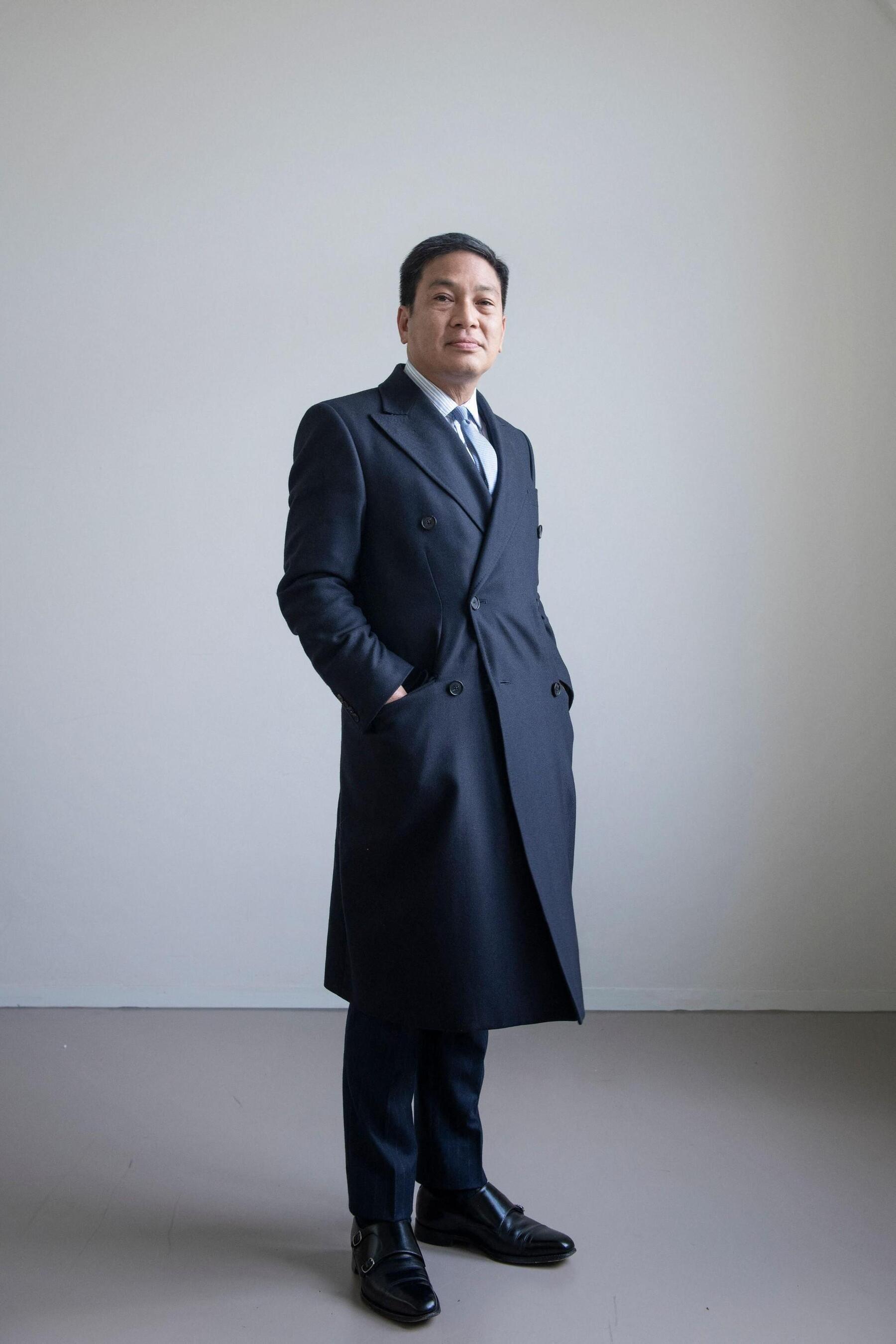
Historian and UN expert Thant Myint-U, grandson of former UN Secretary-General U Thant, believes the organization needs a leader who can act as a "peacemaker." He notes that while the UN body itself was often ineffective when the Security Council was deadlocked, the Secretary-General historically played a vital role in mediation during the 1960s and 1980s, a function that remains relevant today amid crises in Ukraine, Iran, and Gaza.
Myint-U cautions against viewing the post-WWII era or the 1990s "positive" UN under Kofi Annan as the norm. He points out that the UN's effectiveness has always been contingent on global political realities and the willingness of governments and the public to take the institution seriously. The current US administration's criticism of the UN and the potential nomination of figures like FIFA President Gianni Infantino suggest a view of the UN as a mere pawn, further eroding trust.
In the 1960s, the UN as a 'body' was little effective in crises. Whenever the Security Council was deadlocked, the Secretary-General was most effective as a peacemaker.
The next UN Secretary-General faces the monumental task of revitalizing the institution and restoring faith in multilateralism. Myint-U emphasizes that the future of peace, and the UN's contribution to it, is paramount. The success of this endeavor will depend on selecting the right individual and securing genuine commitment from member states and the global public.
The world in the 1990s, the 'positive' UN of Kofi Annan's time, was more the exception than the rule.
DistantNews Editorial
Originally published by Die Presse in German. Translated, summarized, and contextualized by our editorial team with added local perspective. Read our editorial standards.
More Stories

From Our Blog

What Gets Lost (and Found) When News Is Translated

The Critical Role of Diaspora Media in Global News

What Travellers Should Know About Countries with Restricted Press

A Digital Nomad's Guide to Following Local News

How the Same Story Looks Different in Different Countries
