


UNAM investigates alleged irregularities, potential AI use in virtual entrance exams
Translated from Spanish, summarized and contextualized by DistantNews.
At a glance
News
Sources not specified
Under investigation
- UNAM has established a technical commission to investigate alleged irregularities in its first virtual entrance exam for undergraduate admissions in 2026.
- The university filed a criminal complaint on July 6 regarding fraudulent practices, including the sale of services to guarantee exam results.
- Concerns over atypical results and the potential use of artificial intelligence intensified after the exam, prompting the investigation.
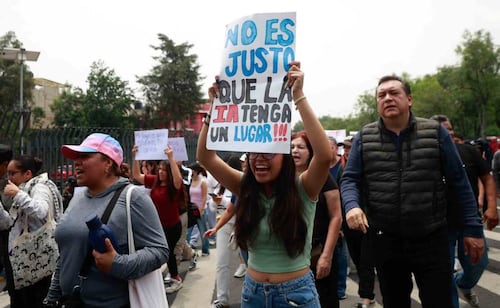
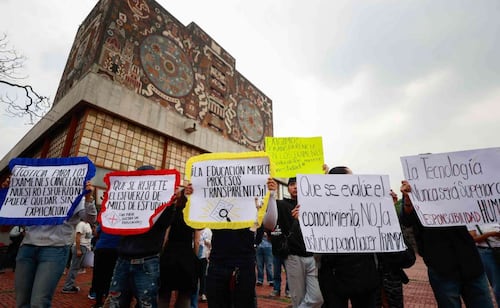
The National Autonomous University of Mexico (UNAM) has formed a Technical Commission to scrutinize alleged irregularities in its inaugural virtual entrance examination for undergraduate admissions in 2026. This move follows widespread distrust among students due to atypical results recorded during the selection process.
Rector Leonardo Lomelí Vanegas affirmed that investigations would pursue all possible avenues to resolve applicant grievances stemming from reported irregularities. The university had previously filed a criminal complaint on July 6 with relevant authorities, citing fraudulent practices detected during the 2026 undergraduate admissions contest. This complaint aimed to investigate and penalize individuals and companies accused of deceiving families and applicants by selling purported services to ensure favorable exam outcomes.
While UNAM reported that 158,712 applicants largely completed the second day of the exam without incident, the university identified actions contrary to its regulations. These included conduct that could constitute criminal offenses related to fraudulent schemes targeting prospective students. The controversy intensified in the days following the exam, fueled by expert warnings about a drastic increase in scores and the potential misuse of artificial intelligence (AI).
In response, Rector Lomelí Vanegas ordered the formation of the technical commission on July 21. This commission, comprising university experts from various disciplines, will review the examination process, data, and results for the 2026-2027/1 academic cycle. The university has urged the public to avoid spreading misinformation, particularly regarding a supposed total rescheduling of the exam.
identificó acciones contrarias a la convocatoria y a la normatividad universitaria, incluidas conductas que podrían constituir delitos relacionados con esquemas fraudulentos dirigidos a quienes buscan ingresar a alguna de sus licenciaturas.
DistantNews Editorial
Originally published by El Universal in Spanish. Translated, summarized, and contextualized by our editorial team with added local perspective. Read our editorial standards.
More Stories


From Our Blog

What Press Freedom Means for the News You Read

What Gets Lost (and Found) When News Is Translated

The Critical Role of Diaspora Media in Global News

What Travellers Should Know About Countries with Restricted Press

A Digital Nomad's Guide to Following Local News
