

Under 1% of Malaysian users exceeded RON95 fuel limit under Budi Madani program
Translated from Malay, summarized and contextualized by DistantNews.
At a glance
News
Official statement
Context piece
- Less than 1% of Malaysian users of the Budi Madani subsidy program used over 200 liters of RON95 petrol per month between October 2025 and May.
- For diesel, the 300-liter monthly quota under Budi Madani is sufficient for most Malaysians, with over 80% using less than 200 liters monthly.
- Global crude oil price hikes due to Middle East conflict have significantly increased Malaysia's fuel subsidy costs, straining the national budget.
A vast majority of Malaysians utilizing the Budi Madani subsidy program are consuming well below the allocated fuel limits, according to government data.
Less than one percent of Budi Madani RON95 (BUDI95) users used more than 200 liters of petrol per month since the program was introduced from October 2025 to May.
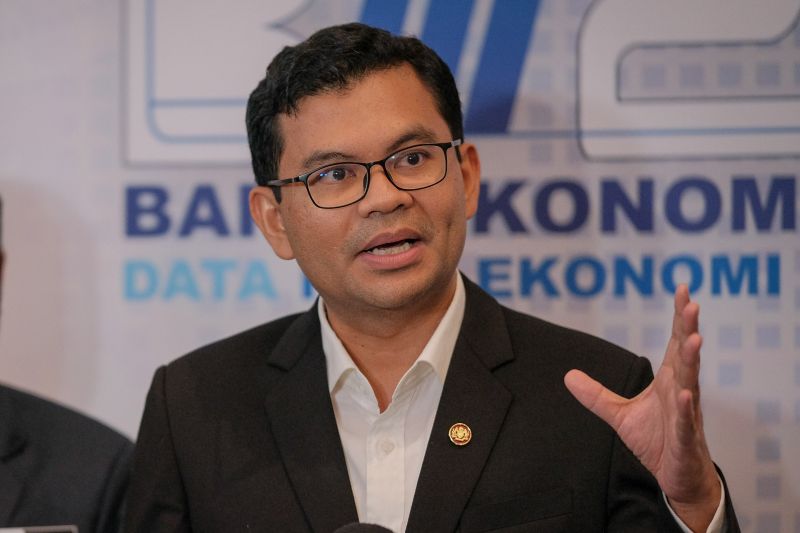
Second Finance Minister Datuk Seri Amir Hamzah Azizan stated that less than one percent of Budi Madani RON95 (BUDI95) users consumed more than 200 liters of petrol per month from October 2025 to May. This indicates that the subsidy cap is effectively targeting those who need it most.
For diesel users, the 300-liter monthly quota under the Budi Madani program appears ample. Data from the Department of Statistics Malaysia shows that over 80 percent of diesel consumers use less than 200 liters monthly, averaging around 140 liters. The government has provided an additional 100-liter allowance for certain vehicles like SUVs, jeeps, and pickups used by small traders and rural residents.
However, taking into account that the majority of citizens' diesel vehicles consist of sports utility vehicles (SUVs), jeeps and pickups used as primary transportation for small traders and residents in rural areas, the government provides an additional 100 liters eligibility under Budi Madani Diesel.
Amir Hamzah also highlighted the significant fiscal pressure caused by rising global crude oil prices, exacerbated by the conflict in West Asia. Malaysia's fuel subsidy expenditure surged from approximately RM800 million in January and February to nearly RM5 billion per month in March and April. He warned that despite potential peace agreements, oil prices are expected to remain elevated, increasing the strain on national finances. Addressing fuel leakage, particularly in Sabah and Sarawak where non-citizens allegedly benefit from subsidized diesel, is crucial to ensure supply continuity and manage costs.
Subsidies for petrol and diesel around RM800 million in January and February have surged to almost RM5 billion a month in March and April.
DistantNews Editorial
Originally published by Utusan Malaysia in Malay. Translated, summarized, and contextualized by our editorial team with added local perspective. Read our editorial standards.
More Stories

From Our Blog

What Gets Lost (and Found) When News Is Translated

The Critical Role of Diaspora Media in Global News

What Travellers Should Know About Countries with Restricted Press

A Digital Nomad's Guide to Following Local News

How the Same Story Looks Different in Different Countries
