


Under Pressure: Tracking the Pain in G7 Government Debt
Translated from English, summarized and contextualized by DistantNews.
TLDR
- Major economies face surging government debt due to increased spending demands and rising borrowing costs.
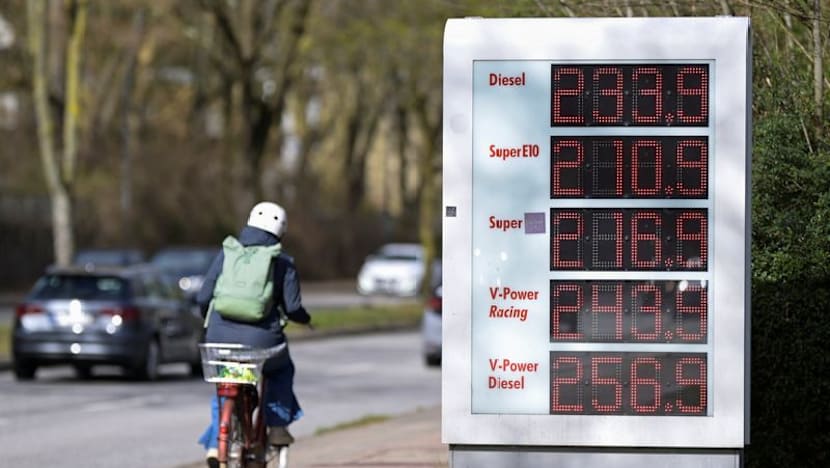
- The Iran war has rekindled inflation risks, straining government finances, particularly in energy-import-dependent Europe.
- G7 nations are grappling with high debt levels, increased interest payments, and the challenge of managing debt amid global shocks.
This report from Reuters and CNA highlights the precarious state of government debt across the G7 nations, painting a stark picture of fiscal challenges. The narrative emphasizes how a confluence of factors, including aging populations, climate change initiatives, and defense spending, are exacerbating debt burdens. The recent escalation of the Iran conflict is presented as a significant new threat, reigniting inflation fears and driving up borrowing costs, especially in Europe, which is heavily reliant on energy imports. The article underscores the potential consequences of this debt spiral, warning that it could stifle economic growth and living standards, and in a worst-case scenario, lead to a sovereign debt crisis. The analysis points to rising government bond yields as a clear indicator of investor caution and the increasing cost of servicing this debt. It also notes the strategic shifts governments are making, such as issuing shorter-dated bonds, to manage immediate interest payment pressures, though this carries its own set of risks. The piece concludes by stressing that without significant policy changes, long-term trends like an aging population and increased spending on defense and climate will continue to push debt levels higher.
DistantNews Editorial
Originally published by CNA in English. Translated, summarized, and contextualized by our editorial team with added local perspective. Read our editorial standards.
More Stories

From Our Blog

What Gets Lost (and Found) When News Is Translated

The Critical Role of Diaspora Media in Global News

What Travellers Should Know About Countries with Restricted Press

A Digital Nomad's Guide to Following Local News

How the Same Story Looks Different in Different Countries
