


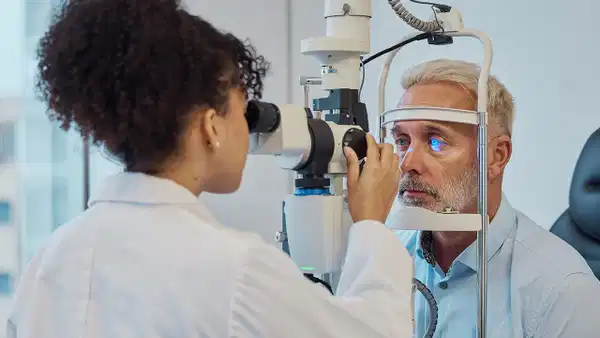
Understanding Strabismus: Risks and Treatments for Misaligned Eyes
Translated from Turkish, summarized and contextualized by DistantNews.
At a glance
News
Named sources
Context piece
- Strabismus, or misaligned eyes, affects all age groups and can lead to serious health risks beyond cosmetic concerns.
- In children, untreated strabismus can cause amblyopia (lazy eye), impaired depth perception, and permanent vision loss.
- Treatment varies by case and may include glasses, patching, exercises, or surgery, which aims to balance eye muscles for better vision and quality of life.
Strabismus, a condition where the eyes fail to focus on the same point simultaneously, is a significant eye health problem affecting individuals of all ages. Assoc. Prof. Dr. Refika Hande Karakahya from Güven Çayyolu Medical Center's Ophthalmology Department highlighted that strabismus, often dismissed as merely a cosmetic issue, carries substantial underlying health risks.
Karakahya explained that the symptoms of strabismus differ across age groups. In children, if left untreated, it can lead to amblyopia (lazy eye), poor depth perception, and irreversible vision loss. For adults, the condition may manifest as double vision, headaches, eye strain, and other visual disturbances that negatively impact daily life.
Treatment for strabismus is individualized, depending on the cause, type of misalignment, and the patient's age. Options range from wearing glasses, eye patching, and specific eye exercises to surgical intervention in some cases. The primary goal of strabismus surgery is to adjust the strength and balance of the eye muscles, enabling the eyes to align properly.
Dr. Karakahya emphasized that surgical treatment is not solely for aesthetic improvement; it actively supports the development of binocular vision, allowing both eyes to work in harmony. This, in turn, enhances visual functions and improves the patient's overall quality of life. She stressed the importance of seeking professional help without delay if any eye deviation, inward, outward, upward, or downward, is noticed, as early intervention is crucial for healthy visual development.
DistantNews Editorial
Originally published by Cumhuriyet in Turkish. Translated, summarized, and contextualized by our editorial team with added local perspective. Read our editorial standards.
More Stories


From Our Blog

What Gets Lost (and Found) When News Is Translated

The Critical Role of Diaspora Media in Global News

What Travellers Should Know About Countries with Restricted Press

A Digital Nomad's Guide to Following Local News

How the Same Story Looks Different in Different Countries
