


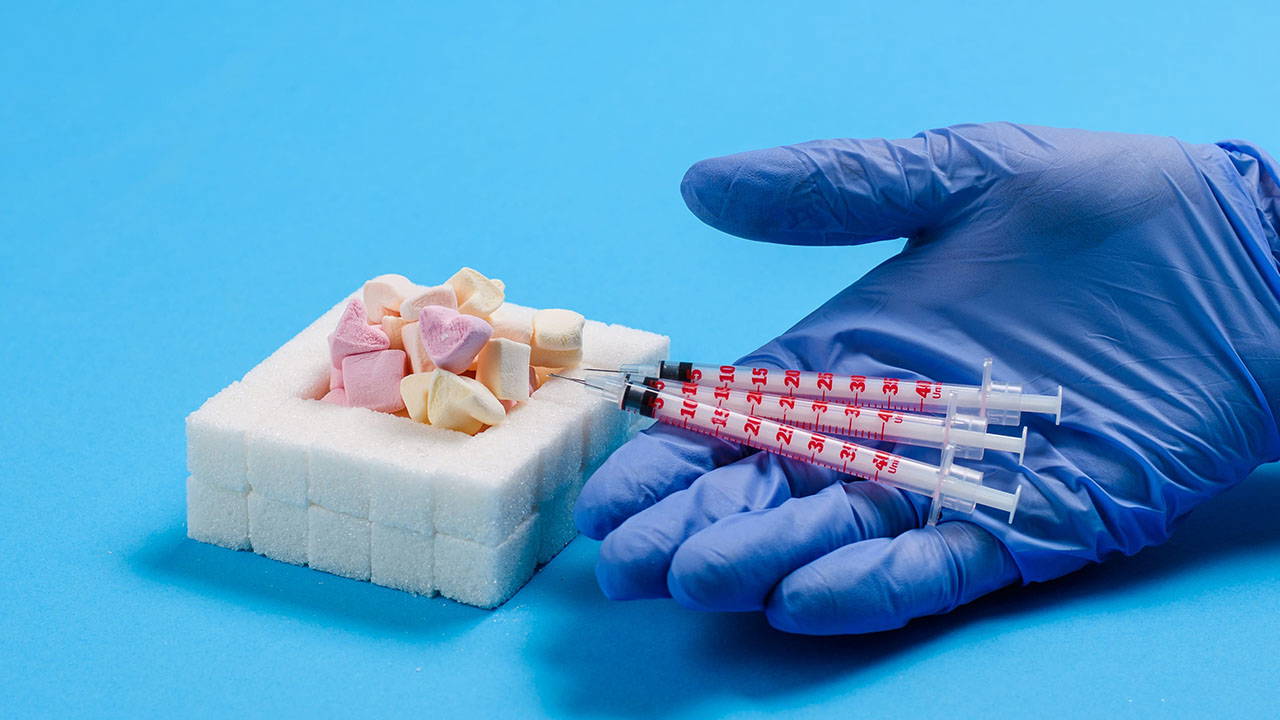
Understanding Sudden Blood Sugar Spikes and How to Manage Them
Translated from Turkish, summarized and contextualized by DistantNews.
TLDR
- Sudden spikes in blood sugar after meals are normal, but rapid and large increases can affect energy, mood, and long-term health.
- Balancing meals with carbohydrates, protein, and fiber, along with healthy fats, helps manage blood sugar.
- Frequent, large blood sugar spikes can lead to insulin resistance, a precursor to type 2 diabetes.
In today's health-conscious world, many individuals are monitoring their blood sugar levels more closely, thanks to the increasing accessibility of glucose-monitoring devices. This allows for a better understanding of how the body reacts to different foods. While a rise in blood sugar after eating is a natural physiological response, excessively rapid or large spikes can have detrimental effects on one's energy levels, mood, and overall health over time.
The key to managing these fluctuations lies in mindful eating. Instead of completely eliminating certain food groups, such as carbohydrates, the focus should be on creating balanced meals. Combining carbohydrates with protein, fiber-rich plant-based foods, and healthy fats can help the body process glucose more effectively. For instance, starting the day with whole-grain muesli topped with nuts, or opting for whole-wheat sandwiches with protein-rich fillings like tuna and plenty of vegetables for lunch, are excellent strategies.
Dinner can incorporate beans and legumes, and meals can be enhanced with pesto sauce containing olive oil, alongside lean protein sources like chicken and vegetables. Snacks can also be healthily managed by pairing fruits and vegetables with nuts, seeds, yogurt, or hummus. It's crucial to understand that while occasional spikes might not be harmful for healthy adults, persistent and significant increases can foster insulin resistance. This condition impairs the body's ability to use insulin effectively, leading to prolonged high blood glucose levels, which is a significant risk factor for developing type 2 diabetes.
DistantNews Editorial
Originally published by Cumhuriyet in Turkish. Translated, summarized, and contextualized by our editorial team with added local perspective. Read our editorial standards.
More Stories



From Our Blog

What Gets Lost (and Found) When News Is Translated

The Critical Role of Diaspora Media in Global News

What Travellers Should Know About Countries with Restricted Press

A Digital Nomad's Guide to Following Local News

How the Same Story Looks Different in Different Countries
