

Unhealthy eating is one of the causes of hair loss. What mistakes should be avoided
Translated from Romanian, summarized and contextualized by DistantNews.
TLDR
- Unhealthy eating habits can contribute to hair loss, alongside stress and aging.
- Protein deficiency and overly restrictive diets can negatively impact hair health.
- Identifying and correcting dietary pitfalls can help maintain hair vitality.
In Romania, concerns about personal well-being often extend to the appearance and health of one's hair. While factors like stress and aging are commonly recognized causes of hair loss, a closer look reveals the significant, often underestimated, role of diet. This perspective emphasizes that what we consume directly impacts our body's functions, including the vitality of our hair.
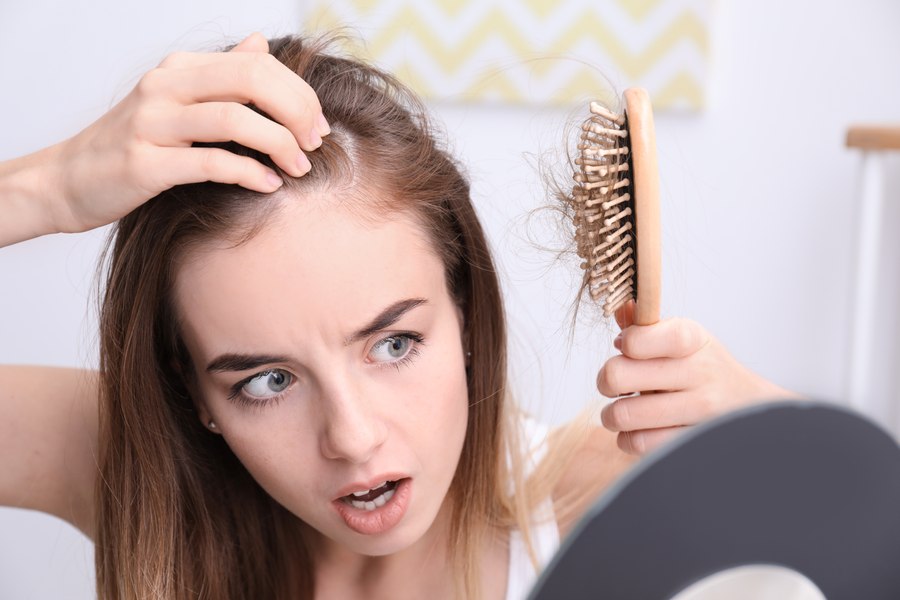
Hair loss (alopecia) can affect only the scalp or the entire body and can be temporary or permanent.
The article highlights that a balanced intake of nutrients is crucial, particularly proteins, which form the building blocks of hair (keratin). When the body lacks sufficient protein due to inadequate dietary intake, it prioritizes essential functions, leaving hair health as a lower priority. This is a critical point for individuals seeking to maintain healthy hair, suggesting that drastic or unbalanced weight-loss diets can inadvertently harm hair.
Hair loss can also be caused by an unbalanced diet.
Furthermore, the piece points to the existence of common dietary 'traps' that can exacerbate hair loss. The good news, however, is that these are often correctable. By understanding these pitfalls and making informed dietary choices, individuals can take proactive steps towards preserving their hair's health and appearance, aligning with a broader Romanian focus on holistic wellness.
Proteins are very important for the proper functioning of the body, and hair is based on keratin, which is a type of protein.
DistantNews Editorial
Originally published by Adevărul in Romanian. Translated, summarized, and contextualized by our editorial team with added local perspective. Read our editorial standards.
More Stories


From Our Blog

What Gets Lost (and Found) When News Is Translated

The Critical Role of Diaspora Media in Global News

What Travellers Should Know About Countries with Restricted Press

A Digital Nomad's Guide to Following Local News

How the Same Story Looks Different in Different Countries
