

Unified Information Crucial in Crises, Says Kulbergs After Storm Exposes Service Vulnerabilities
Translated from Latvian, summarized and contextualized by DistantNews.
At a glance
News
Named sources
Context piece
- A recent storm in Latvia highlighted the vulnerability of essential services when electricity fails across a wide area.
- Prime Minister Kulbergs criticized the lack of a unified, regularly updated information system during the crisis.
- He stressed the need for a clear crisis algorithm and a comprehensive review of the state's response, emphasizing individual household preparedness.
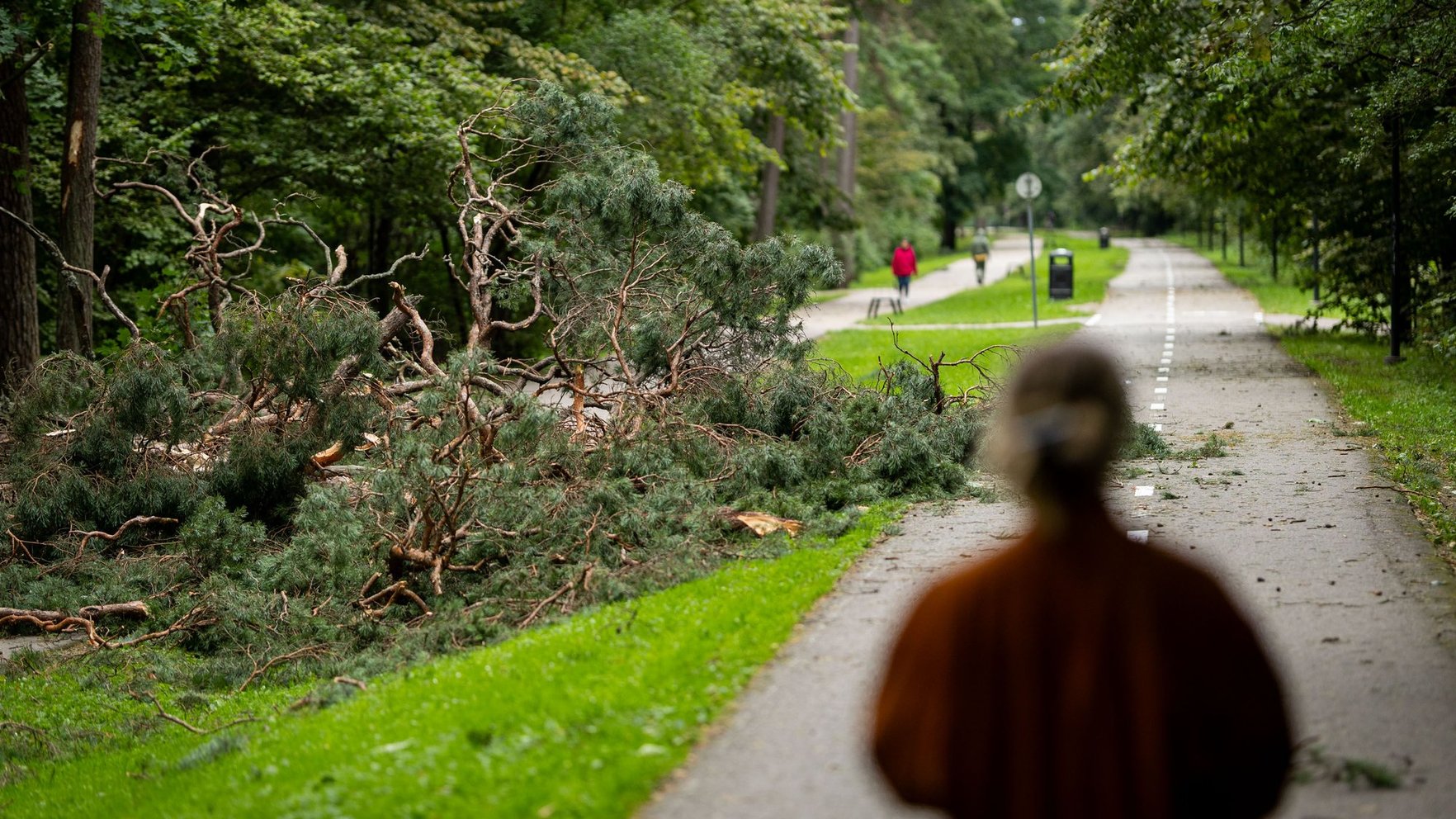
A recent powerful storm in Latvia served as a stark reminder of the nation's and its citizens' preparedness for crisis situations, particularly highlighting the cascading effects of widespread power outages. Prime Minister Kulbergs described the storm as a "painful dress rehearsal," emphasizing that when electricity disappears over a large territory, many other critical services quickly begin to falter.
The storm showed an unpleasant truth: if electricity disappears over a large territory, many other critical services for daily life soon begin to stop.
Kulbergs expressed strong conviction that a clear crisis algorithm, rather than improvisation, is necessary. He lamented the absence of a unified, understandable, and regularly updated overview of the situation during the storm. Citizens were forced to seek information independently from various institutions, companies, and municipalities via websites and social media. He argued that during a crisis, people need a single point of access for answers to specific questions: where there is no electricity, where mobile communication and internet are down, which roads are blocked, where public transport is disrupted, and which essential services like water supply, sewage, shops, gas stations, and pharmacies are operational.
Unfortunately, today I did not find a unified, understandable, and regularly updated picture of the situation. People had to search for information themselves on the websites and social media accounts of various institutions, companies, and municipalities.
The Prime Minister believes such information must be unified, verified, and regularly updated. Furthermore, a backup communication system is essential for situations where people lack electricity, internet, or mobile service. Once the acute crisis phase is over, Kulbergs expects a comprehensive assessment from the Crisis Management Center detailing what worked, what didn't, and what urgently needs improvement. This evaluation should conclude with a concrete action plan, assigning responsibilities, deadlines, and necessary investments.
When the acute crisis phase is overcome, I expect a comprehensive assessment from the Crisis Management Center regarding how the state overcame this crisis, what worked, what didn't, and what urgently needs improvement.
Kulbergs also stressed that responsibility does not lie solely with the state. He urged every Latvian household to critically assess their own preparedness, questioning whether warnings were taken seriously and if they can sustain themselves for at least 72 hours without electricity, internet, shops, ATMs, or immediate emergency services. He posed critical questions about household supplies: Is there drinking water, food, necessary medication, a flashlight, batteries, a charged power bank, a radio, and cash? Does the family have a clear action plan? Do they know how to assist children, seniors, neighbors, and individuals with special needs? He noted that this storm came with prior warnings, but the next crisis might strike without any.
Responsibility does not lie solely on the state's shoulders, but each Latvian household must also critically assess whether we seriously took the previously issued warnings and whether we are able to manage for at least 72 hours without electricity, internet, a shop, an ATM, and immediate emergency services.
DistantNews Editorial
Originally published by Delfi Latvia in Latvian. Translated, summarized, and contextualized by our editorial team with added local perspective. Read our editorial standards.
More Stories


From Our Blog

What Gets Lost (and Found) When News Is Translated

The Critical Role of Diaspora Media in Global News

What Travellers Should Know About Countries with Restricted Press

A Digital Nomad's Guide to Following Local News

How the Same Story Looks Different in Different Countries
