

Unique Defensive System Uncovered Where 7 Martyrs' Remains Found in Da Nang Cave Complex
Translated from Vietnamese, summarized and contextualized by DistantNews.
At a glance
News
Named sources
Context piece
- Over half a century after the war, the search for martyrs' remains in Da Nang's Da Sap cave has uncovered a large logistical base and an intact stone fortification system.
- The discovered system includes a 150-meter-long stone wall and a stone watchtower, built entirely by hand and remarkably preserved.
- These findings shed light on the strategic importance and sophisticated defense of the K600 base, which served as a crucial hub for troops and supplies.
More than fifty years after the Vietnam War ended, a search for the remains of fallen soldiers in Da Nang has unearthed a significant historical discovery. In the Da Sap cave area, within the dense jungles of Son Ga mountain, authorities have found not only the remains of seven martyrs but also a remarkably well-preserved logistical base and an extensive stone fortification system.
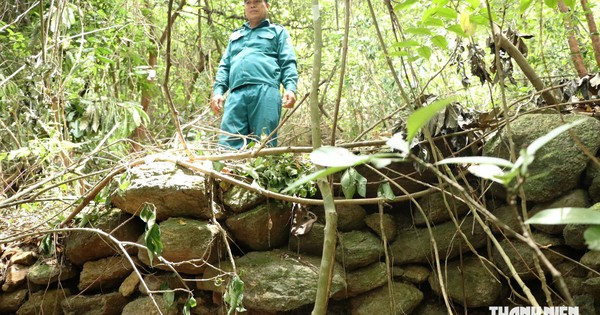
The discovered system includes a 150-meter-long stone wall and a stone watchtower, built entirely by hand and remarkably preserved.
The area, located in Lam Tay village, Ha Nha commune, is characterized by its rugged natural cave systems hidden within ancient forests. During the American War, Da Sap cave, also known as K600, served as a vital stronghold for troop accommodation, medical treatment for the wounded, and a critical transit point for supplies for major units, including the 575th Artillery Regiment of the 44th Quảng Đà Front.
Accessing the site remains challenging, with a trek through over a kilometer of dense forest and along steep mountain slopes. The landscape still bears the scars of war, with massive rocks, toppled by bombing in 1969, blocking cave entrances, silent witnesses to fierce aerial attacks that once buried soldiers inside.
These findings shed light on the strategic importance and sophisticated defense of the K600 base, which served as a crucial hub for troops and supplies.
Beyond the search for martyrs' remains, the expedition revealed a surprising discovery: a 150-meter-long stone wall winding along the mountainside, just a short distance from Da Sap cave. This manually constructed fortification, nearly a meter high and up to 1.5 meters wide in places, connects natural rock formations to create a continuous defensive line. Remarkably, it has survived over 50 years of harsh weather, demonstrating exceptional durability. Nearby, a stone watchtower perched on a high mountain peak offers a commanding view of all approaches to Lam Tay village and its surroundings. Officials and locals believe these structures were built by the Vietnamese army, utilizing the natural terrain for surveillance and defense of the hidden logistical base.
Small caves could hold 3-5 people, while large caves like Da Sap could hold dozens of people, serving as shelters and storage for food supplies.
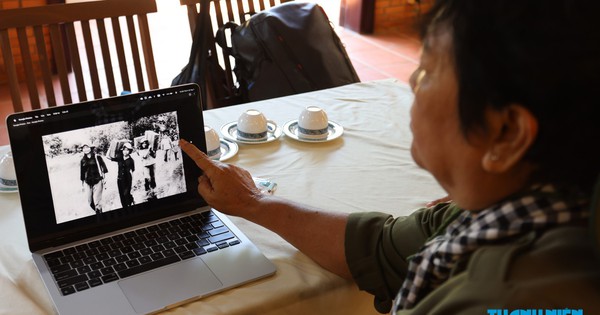
These discoveries illuminate the scale and strategic nature of the K600 base, revealing it as more than just a supply depot; it was a well-organized defensive position. Senior Colonel Le Huy Tu, former financial assistant for the 575th Artillery Regiment, recalled the smaller caves housing 3-5 soldiers and the larger ones like Da Sap accommodating dozens, serving as shelters and storage for food supplies. He recounted a specific incident on April 25, 1969, when cooking smoke from soldiers gathered in the Son Ga mountains inadvertently revealed their position to a US OV-10 Bronco reconnaissance plane, leading to an aerial attack.
On the morning of April 25, 1969, he and hundreds of people, including soldiers, medics, and civilians, were gathered in the caves in Son Ga mountain. Around 10 AM, cooking smoke from the soldiers inadvertently rose, detected by a US OV-10 Bronco reconnaissance plane.
DistantNews Editorial
Originally published by Thanh Niên in Vietnamese. Translated, summarized, and contextualized by our editorial team with added local perspective. Read our editorial standards.
More Stories

From Our Blog

What Gets Lost (and Found) When News Is Translated

The Critical Role of Diaspora Media in Global News

What Travellers Should Know About Countries with Restricted Press

A Digital Nomad's Guide to Following Local News

How the Same Story Looks Different in Different Countries
