


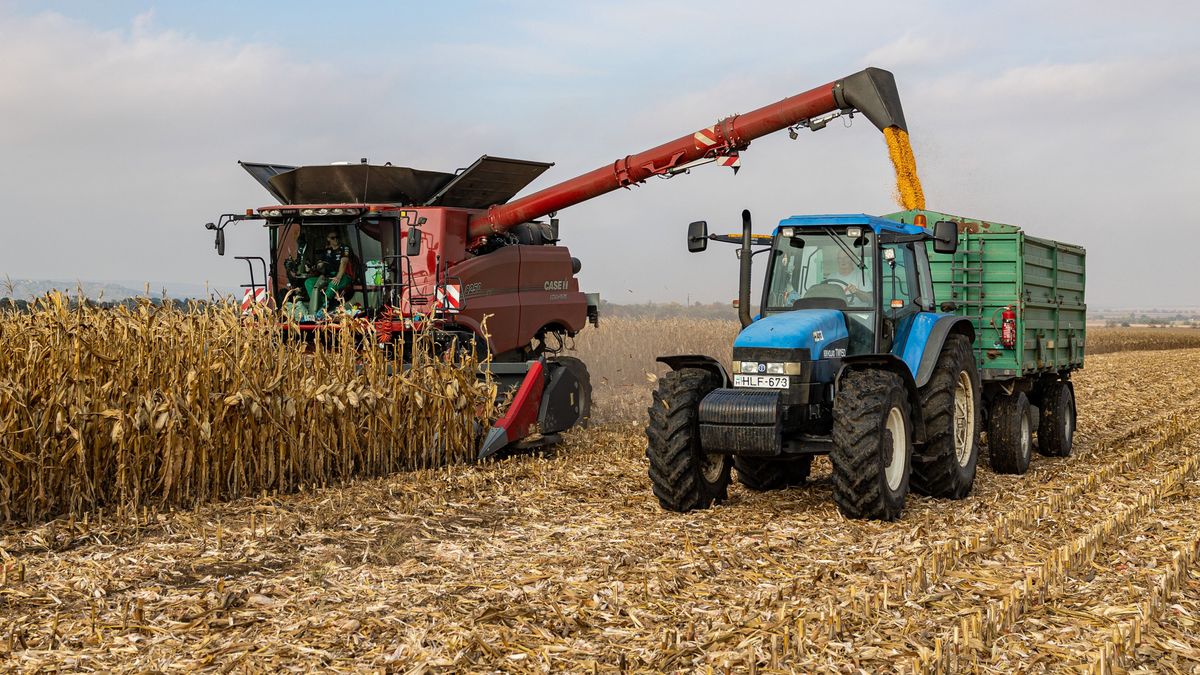
Unprecedented wages in Hungarian agriculture, yet labor shortage worsens
Translated from Hungarian, summarized and contextualized by DistantNews.
At a glance
News
Sources not specified
Context piece
- Hungarian agriculture is experiencing unprecedented wage increases, with experienced machine operators earning up to 60,000 forints daily.
- Despite high pay, the sector faces a severe labor shortage due to a declining number of skilled professionals.
- The demand for trained operators has surged with the adoption of precision farming technologies like GPS-guided tractors.
The agricultural sector in Hungary is grappling with a significant labor shortage, even as wages reach unprecedented levels. Experienced machine operators are now commanding daily rates of up to 60,000 forints (approximately $165 USD), a stark contrast to the past perception of the industry.
Modern farming has shifted from manual labor to high technology. Operating sophisticated machinery, such as GPS-guided tractors and combine harvesters valued in the tens or hundreds of millions of forints, requires specialized skills. The increasing adoption of precision farming techniques has dramatically boosted the demand for qualified machine operators.
However, the supply of these skilled professionals is dwindling. This widening gap between demand and supply has driven a drastic increase in wages within the sector. Market feedback indicates that hourly rates for experienced operators have risen to a net 3,000–4,500 forints. During peak periods, such as the harvesting of winter wheat or rapeseed, daily earnings can reach a net 40,000–60,000 forints for a 10-12 hour shift.
For highly specialized positions requiring years of experience and knowledge of specific machinery, monthly net incomes during the peak season can exceed 1 to 1.2 million forints. On domestic plantations, base hourly rates range from 1,500–2,200 forints net. When combined with performance-based pay, diligent workers can earn a net 15,000–25,000 forints daily. Smaller family farms are finding it increasingly difficult to afford these labor costs, especially as purchasing prices for agricultural products have not kept pace with the rising wage expenses.
DistantNews Editorial
Originally published by Magyar Nemzet in Hungarian. Translated, summarized, and contextualized by our editorial team with added local perspective. Read our editorial standards.
More Stories


From Our Blog

Countries Without a Free Press: What You Need to Know

What Press Freedom Means for the News You Read

What Gets Lost (and Found) When News Is Translated

The Critical Role of Diaspora Media in Global News

What Travellers Should Know About Countries with Restricted Press
