


Up to 100,000 Finnish Homes' Bathrooms at Risk of Rusting
Translated from Finnish, summarized and contextualized by DistantNews.
At a glance
News
Named sources
Context piece
- Up to 100,000 Finnish homes may have bathrooms at risk of rusting due to issues with prefabricated metal elements.
- Homebuilder Bonava refuses to inspect all bathrooms in a Vantaa apartment building, blaming residents for the damage.
- An expert believes the problem could be widespread, affecting other housing companies with similar metal bathrooms.
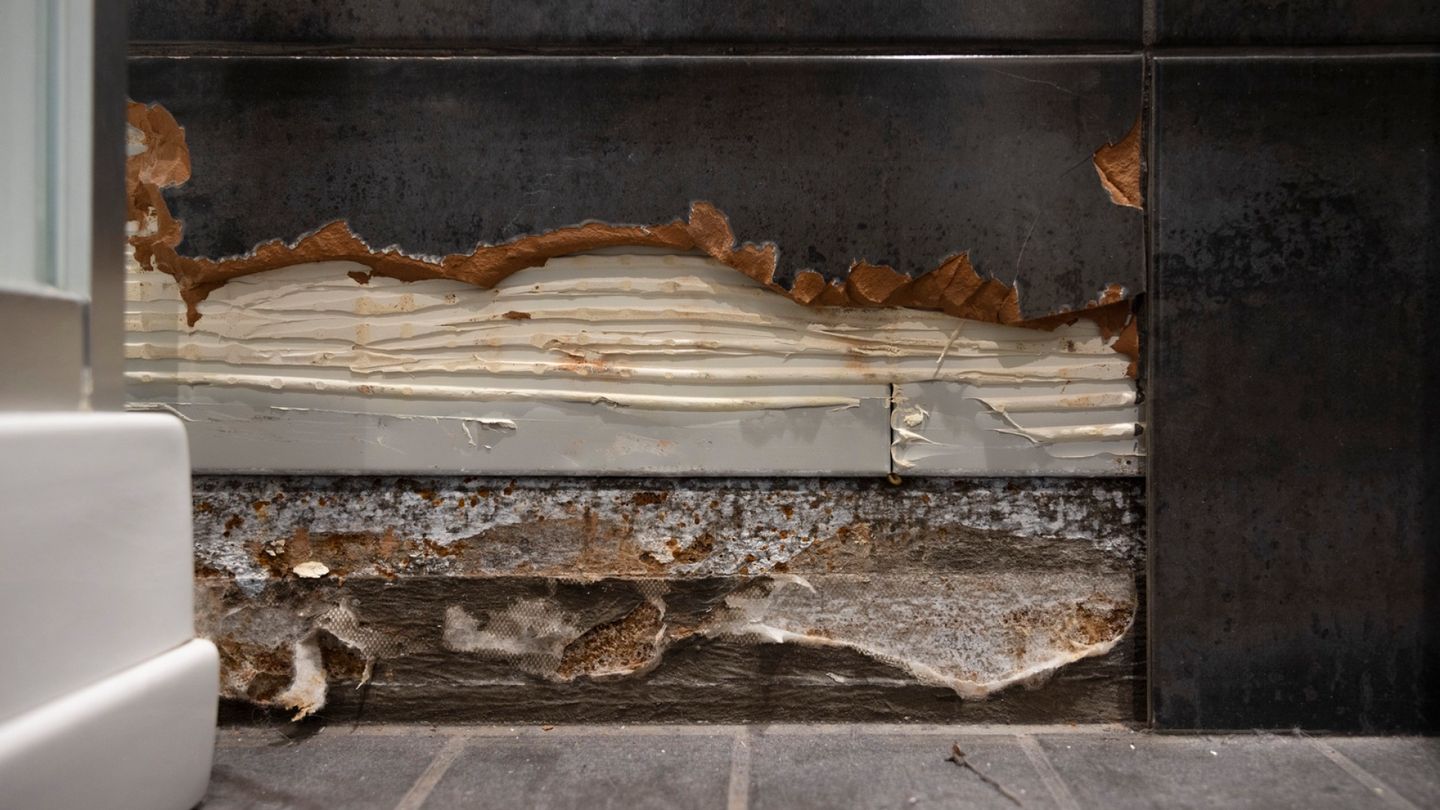
A significant number of Finnish homes, potentially up to 100,000, could be facing a serious risk of rust damage in their bathrooms. The issue stems from prefabricated metal elements used in the construction of bathrooms, particularly in apartment buildings.
In Vantaa, a specific apartment building constructed in 2015 has revealed severe corrosion damage beneath the bathroom tiles. Homebuilder Bonava, however, has refused to inspect all the metal bathrooms in the building. The company attributes the extensive damage to the residents themselves, a claim that building technology expert Arto Kemppainen deems absurd. Kemppainen argues that it is unreasonable to expect waterproofing membranes to remain completely dry, especially considering normal activities like showering.
Experts suggest that this problem might be far more widespread than initially thought. The use of similar prefabricated metal bathroom elements in construction across Finland means that numerous other housing companies could be affected. The potential scale of the issue raises concerns about the long-term durability and safety of these bathrooms.
The core of the dispute lies in the differing interpretations of what constitutes normal use and acceptable moisture levels within these metal-clad bathrooms. While residents and experts point to potential construction flaws or design issues, the builder insists on resident fault, complicating efforts to address the problem comprehensively.
DistantNews Editorial
Originally published by Helsingin Sanomat in Finnish. Translated, summarized, and contextualized by our editorial team with added local perspective. Read our editorial standards.
More Stories



From Our Blog

What Gets Lost (and Found) When News Is Translated

The Critical Role of Diaspora Media in Global News

What Travellers Should Know About Countries with Restricted Press

A Digital Nomad's Guide to Following Local News

How the Same Story Looks Different in Different Countries
