


UPKO wants 1976 Petronas Agreement reviewed
Translated from Malay, summarized and contextualized by DistantNews.
At a glance
News
Named sources
Context piece
- UPKO urges a review of the 1976 Petronas Agreement concerning oil royalty payments to Sabah.
- The party questions the agreement's validity if it was not discussed or approved by the Sabah government.
- UPKO also demands the full implementation of the 40% revenue payment to Sabah, viewing current interim payments as temporary.
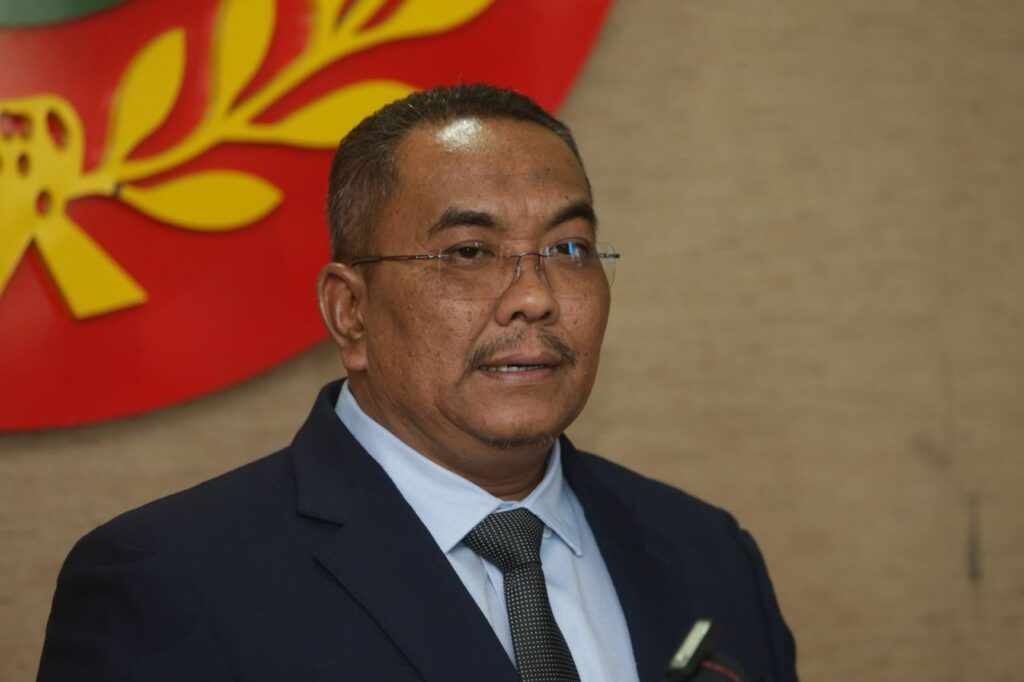
The United Sabah Progressive Party (UPKO) is demanding a review of the 1976 Petronas Agreement, which dictates oil royalty payments to Sabah. This call stems from revelations by former Sabah Chief Minister Tan Sri Joseph Pairin Kitingan, who stated the agreement, granting Sabah only a five percent oil royalty, was never presented to or discussed in the Sabah Cabinet.
UPKO President Datuk Ewon Benedick emphasized that if the agreement indeed lacked Sabah government approval, it must be revised. He also contested the notion that oil and gas matters fall solely under federal jurisdiction due to the 1974 Petroleum Development Act. Benedick asserted that any issue significantly impacting Sabah requires the state government's consent.
Furthermore, UPKO is pushing for the full implementation of a 40% revenue payment to Sabah. Benedick described the current interim payments as merely a temporary measure that should not persist indefinitely. He argued that external factors like conflicts in other nations should not delay these full payments, as Sabah's citizens and companies pay taxes, and state revenues continue to be collected.
UPKO proposed a mechanism similar to the early 1960s when Singapore was part of Malaysia. Under this model, 40% of federal revenue collected in Sabah would be directly channeled to the state government, with the remaining 60% going to the federal account. Benedick believes this system is feasible, citing its past implementation.
DistantNews Editorial
Originally published by Utusan Malaysia in Malay. Translated, summarized, and contextualized by our editorial team with added local perspective. Read our editorial standards.
More Stories


From Our Blog

What Gets Lost (and Found) When News Is Translated

The Critical Role of Diaspora Media in Global News

What Travellers Should Know About Countries with Restricted Press

A Digital Nomad's Guide to Following Local News

How the Same Story Looks Different in Different Countries
