



Urgent disaster mitigation needed as UMJ expert highlights logistics and government response
Translated from Indonesian and summarized by DistantNews. Read the original for the full story.
At a glance
Explainer
Named sources
Context piece
- An expert from Muhammadiyah University Jakarta says Indonesia’s disaster preparedness is shifting from a reactive model toward prevention but remains in transition.
- Key obstacles include limited prevention budgets, poor maintenance of early-warning equipment, uneven regional capacity, and insufficient public disaster education and evacuation drills.
- The expert says hazard mapping and early warnings must lead to clear standard operating procedures so communities and responders know what to do.
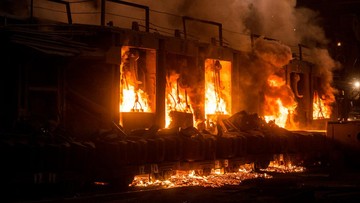
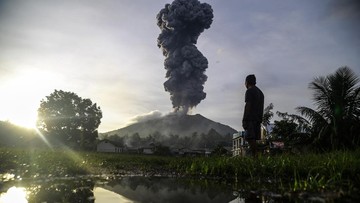
Indonesia is still facing threats from multiple natural disasters, from flash floods in Aceh and earthquakes in East Nusa Tenggara to forest fires in Kalimantan and hazards linked to Anak Krakatau volcano. The situation underscores the need to strengthen mitigation, preparedness and government response, including the availability and distribution of supplies for affected communities.
Dr. Mawar, a disaster mitigation and management expert at Muhammadiyah University Jakarta, says Indonesia’s preparedness remains in transition from a reactive approach to a preventive one. Monitoring and information systems have improved, helping speed up disaster alerts, but prevention, community readiness and resource management continue to face problems.
The country has a high level of disaster risk, making mitigation essential before disasters occur. Obstacles include limited funding for prevention, difficulties maintaining early-detection equipment and unequal capacity between regions. Disaster literacy and evacuation drills have also not yet become routine. Education efforts often increase only after a disaster, while preparedness requires regular training and public outreach.
Indonesia’s disaster preparedness and mitigation are currently in a transition phase from a reactive system toward a preventive approach. Therefore, preparedness must be built continuously before a disaster occurs.
“Indonesia’s disaster preparedness and mitigation are currently in a transition phase from a reactive system toward a preventive approach. Therefore, preparedness must be built continuously before a disaster occurs,” Dr. Mawar said.
She said mapping areas at risk should guide spatial planning, settlement locations, public facilities, evacuation routes and shelter sites. Early-warning systems can give communities and authorities time to act, but warnings alone are not enough. “Every piece of information from an early-warning system should be followed up with various standard operating procedures, or SOPs. That way, communities and officers already know what steps to take when a warning is issued,” she said.
Every piece of information from an early-warning system should be followed up with various standard operating procedures, or SOPs. That way, communities and officers already know what steps to take when a warning is issued.
About this summary
Originally published by Republika in Indonesian. Translated, summarized, and contextualized automatically by DistantNews, with a note on how the source frames the story. Not individually reviewed before publishing. How this works.
More Stories


From Our Blog

News in Translation: What Gets Lost, and How We Keep the Framing

Diaspora Media: How Communities Follow News From Home

Traveling Where the Press Is Not Free: How to Read the News There

The Digital Nomad's Guide to Local News

The Same Story, Different Countries: How Coverage Changes at the Border
