


Uruguay Health Minister Confirms Fifth Meningococcus Death; Experts Urge Expanded Vaccine Coverage
Translated from Spanish, summarized and contextualized by DistantNews.
At a glance
News
Named sources
Context piece
- Uruguay's Health Minister confirmed the death of a 10-year-old boy from meningococcus, the fifth fatality this year.
- The country has recorded 19 cases of the potentially severe disease, with health officials monitoring each case.
- Experts recommend expanding meningococcal vaccine coverage to all children and adolescents.
Uruguay's Minister of Public Health, Cristina Lustemberg, confirmed the tragic death of a 10-year-old boy due to meningococcus, marking the fifth fatality from the disease this year. The nation has reported a total of 19 cases of this potentially severe illness to date, with the Directorate of Epidemiology actively monitoring each situation.
very important
The meningococcal disease, caused by the bacterium Neisseria meningitidis, can manifest as meningitis or a life-threatening invasive illness with septic shock. Despite a recommendation from the National Advisory Commission on Vaccinations (CNAV) in October 2024 to offer doses to certain age groups, and following the recent child's death, the government announced the purchase of meningococcal vaccines in May 2025. Immunization began in July.
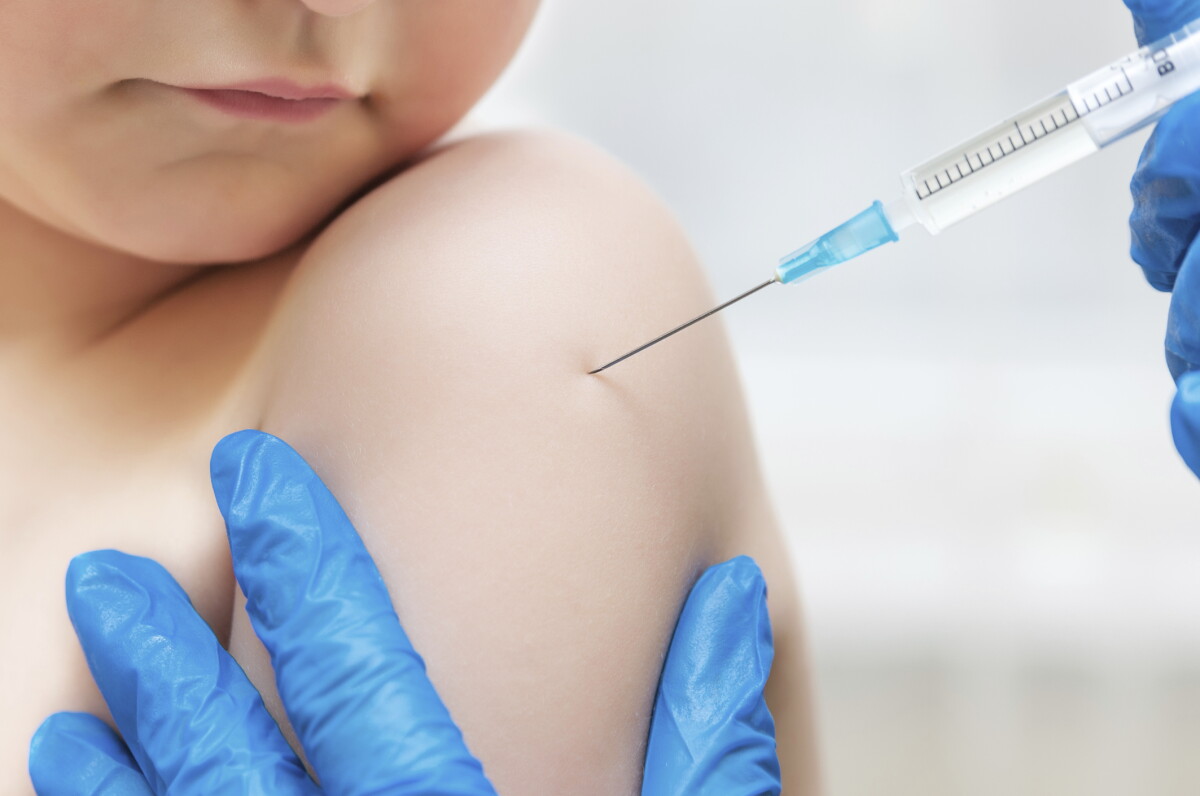
The Ministry of Public Health (MSP) has made the Bexsero vaccine, which protects against meningococcal group B, available for free to infants at two, four, and 15 months. Additionally, the MenFive vaccine, covering groups A, C, W, X, and Y, is provided to children aged one and 11. Minister Lustemberg emphasized the critical importance of these vaccinations for reducing bacterial circulation and disease incidence, noting that current rates are lower than last year but comparable to 2024 levels.
very important figure
However, concerns remain about the lack of vaccine coverage for children in intermediate age groups. Pediatrician, microbiologist, and infectologist Álvaro Galiana urged for an expansion of the vaccination strategy. He highlighted that while the disease is most frequent in children under five, particularly under two, adolescents are also affected. Galiana stated that the current strategy, based on scientific evidence and the vaccine's high cost, leaves a significant group of children between two and 11 years without free access, necessitating a reevaluation and modification of the prevention strategy.
It deserves to be reevaluated and the prevention strategy modified, extending vaccination with the
DistantNews Editorial
Originally published by El País in Spanish. Translated, summarized, and contextualized by our editorial team with added local perspective. Read our editorial standards.
More Stories


From Our Blog

What Gets Lost (and Found) When News Is Translated

The Critical Role of Diaspora Media in Global News

What Travellers Should Know About Countries with Restricted Press

A Digital Nomad's Guide to Following Local News

How the Same Story Looks Different in Different Countries
