

Uruguay Opens Homeless Shelter with Individual Modules, Pet-Friendly Policy
Translated from Spanish, summarized and contextualized by DistantNews.
At a glance
News
Sources not specified
New plan
- Uruguay's Ministry of Social Development (Mides) has opened a new center in León Pérez offering individual modules for people experiencing homelessness.
- The center provides private spaces for 24 individuals, allowing them to store belongings and stay with their pets.
- Mides has also unified contact lines for reporting individuals in need, streamlining assistance efforts.
Uruguay's Ministry of Social Development (Mides) has introduced an innovative center designed to assist people experiencing homelessness, featuring individual modules that allow residents to bring their pets. The initiative aims to make social services more appealing and accessible.
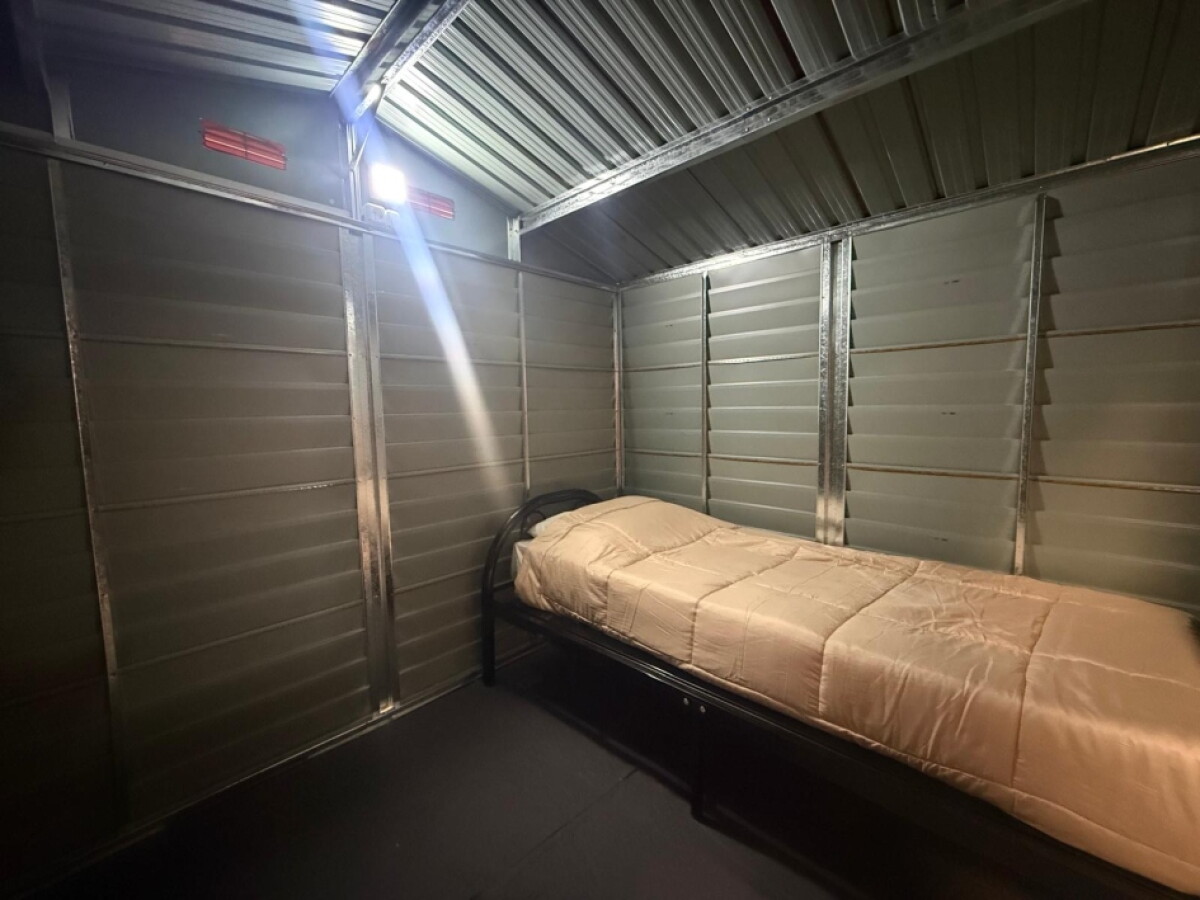
The León Pérez Center operates 24 hours a day and includes 24 private modules, each measuring five square meters. These modules are equipped with a bed, bedding, a door, and a window, offering a secure and personal space. Additionally, common areas for cooking, laundry, and bathrooms are available.
Daniel Gerhard, director of Social Protection, explained the center's philosophy: "Since the street is not a place to live, we try to build adequate responses to each circumstance, for all profiles, so that people enter voluntarily and from there build pathways out." The center is staffed by caregivers, educators, and social technicians who provide support and guidance to the residents.
In parallel, Mides has consolidated its reporting channels for individuals in need. The unified contact number for reporting people experiencing homelessness is now 365. This includes a phone line (0800 365 0) and a WhatsApp number (091 365 000) to optimize information flow and public recall. The previous emergency number 0800 8798 will remain active during a transition period, while the 9.1.1 line continues to be the contact point in the interior of the country.
Since the street is not a place to live, we try to build adequate responses to each circumstance, for all profiles, so that people enter voluntarily and from there build pathways out.
DistantNews Editorial
Originally published by El País in Spanish. Translated, summarized, and contextualized by our editorial team with added local perspective. Read our editorial standards.
More Stories


From Our Blog

What Gets Lost (and Found) When News Is Translated

The Critical Role of Diaspora Media in Global News

What Travellers Should Know About Countries with Restricted Press

A Digital Nomad's Guide to Following Local News

How the Same Story Looks Different in Different Countries
