


Uruguay's Grandparents' Day 2026 to Create Long Weekend for Some
Translated from Spanish, summarized and contextualized by DistantNews.
At a glance
News
Sources not specified
New plan
- Uruguayans will enjoy a long weekend in June 2026 as Grandparents' Day falls on a public holiday.
- The holiday on June 19, 2026, coincides with the commemoration of José Artigas, a national hero, and Flag Day.
- The article also details how working on this holiday affects pay for daily wage earners versus monthly salaried employees.
In 2026, Uruguayans will experience a welcome long weekend in June, thanks to a fortuitous calendar alignment. Grandparents' Day, celebrated on Friday, June 19, 2026, coincides with the Natalicio de José Artigas, a pivotal figure in Uruguayan history and a national holiday.
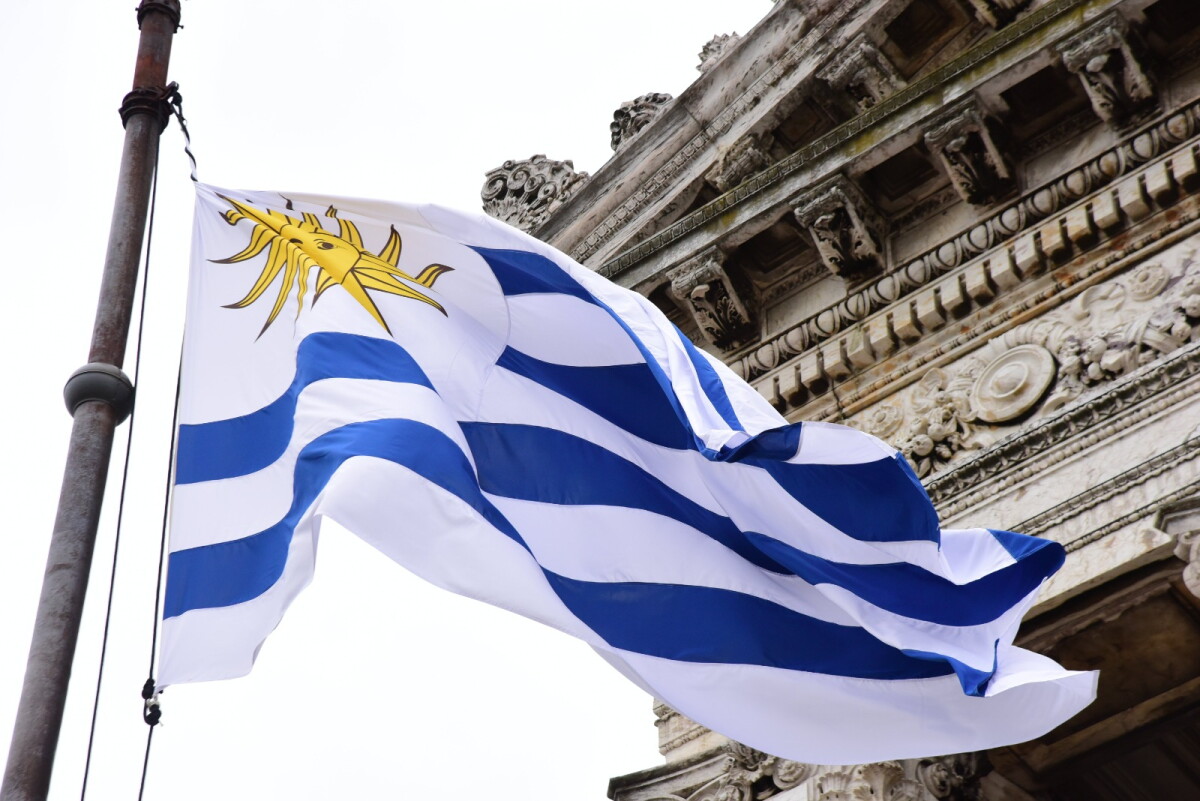
This convergence means that many will have an extended break. The date also marks Flag Day, a significant occasion for students across the country who participate in ceremonies to pledge their loyalty to the national flag. These ceremonies are held in both public and private educational institutions on the holiday.
While the long weekend offers a break for many, the article also touches upon the financial implications for those who work on public holidays. According to the Pit-Cnt, a national labor union confederation, the impact on pay differs between daily wage earners and monthly salaried employees. Daily workers receive pay for the holiday if they work, whereas monthly workers receive their standard salary regardless of whether they work on the holiday.
The article also notes that Grandparents' Day is observed on different dates in other countries. Many Catholic nations, including Spain, Brazil, and other Latin American countries, celebrate on July 26, honoring Saints Anne and Joachim, the grandparents of Jesus. Argentina, however, has specific days for grandmothers and grandfathers, observed on the second Sunday of November and the third Sunday of August, respectively.
When these days stop activity, the worker who earns daily wages does not collect their day's pay, while the worker who earns a monthly salary collects the same salary as always.
DistantNews Editorial
Originally published by El País in Spanish. Translated, summarized, and contextualized by our editorial team with added local perspective. Read our editorial standards.
More Stories


From Our Blog

What Gets Lost (and Found) When News Is Translated

The Critical Role of Diaspora Media in Global News

What Travellers Should Know About Countries with Restricted Press

A Digital Nomad's Guide to Following Local News

How the Same Story Looks Different in Different Countries
