


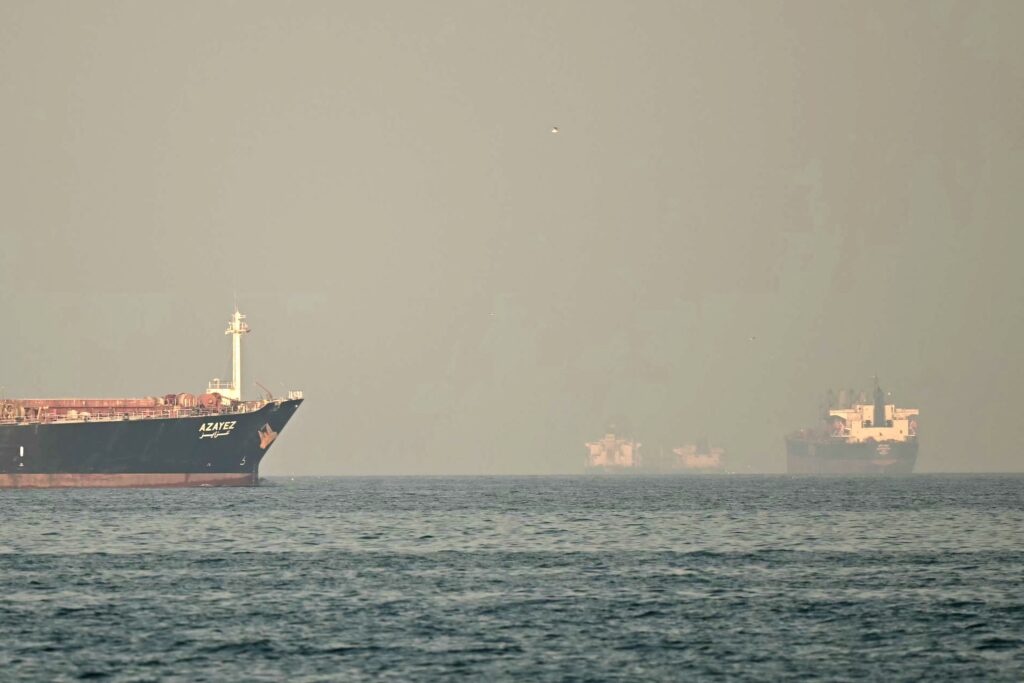
US allows 12 ships through maritime blockade of Iran ports
Translated from Malay, summarized and contextualized by DistantNews.
At a glance
News
Named sources
New plan
- The U.S. has allowed at least 12 ships to pass through maritime blockades of Iranian ports following a memorandum of understanding between Washington and Tehran.
- U.S. Vice President JD Vance stated that CENTCOM has permitted these vessels to transit, indicating the U.S. is fulfilling its initial commitments under the agreement.
- The article implies a shift in maritime blockade policy concerning Iranian ports.
The United States has permitted at least 12 ships to pass through maritime blockades of Iranian ports, a move that follows the signing of a memorandum of understanding between Washington and Tehran. U.S. Vice President JD Vance confirmed the development on Thursday.
"Regarding the sanctions, CENTCOM (U.S. Central Command) has allowed more than 12 ships to pass our maritime blockades, and we are also fulfilling our initial commitments under the agreement," Vance told reporters. This statement suggests a significant adjustment in U.S. policy concerning naval blockades related to Iran.
The article indicates that the U.S. is beginning to implement its side of the agreement, allowing passage for vessels that would have previously been restricted. This development marks a notable change in the maritime security landscape involving Iran and the United States.
Regarding the sanctions, CENTCOM (U.S. Central Command) has allowed more than 12 ships to pass our maritime blockades, and we are also fulfilling our initial commitments under the agreement.
DistantNews Editorial
Originally published by Utusan Malaysia in Malay. Translated, summarized, and contextualized by our editorial team with added local perspective. Read our editorial standards.
More Stories


From Our Blog

What Gets Lost (and Found) When News Is Translated

The Critical Role of Diaspora Media in Global News

What Travellers Should Know About Countries with Restricted Press

A Digital Nomad's Guide to Following Local News

How the Same Story Looks Different in Different Countries
