

US and China Must Cooperate to Secure Global Maritime Trade Routes
Translated from English and summarized by DistantNews. Read the original for the full story.
At a glance
Analysis
Sources not specified
Context piece
- Recent tensions in the Strait of Hormuz underscore the growing global concern over the security of key maritime trade routes.
- Disruptions to these vital waterways, whether through conflict or geopolitical risks, can significantly impact global markets by increasing costs and delaying supply chains.
- Both the United States and China rely heavily on maritime transport for trade and energy, necessitating cooperation to maintain safe and predictable passage through critical chokepoints.
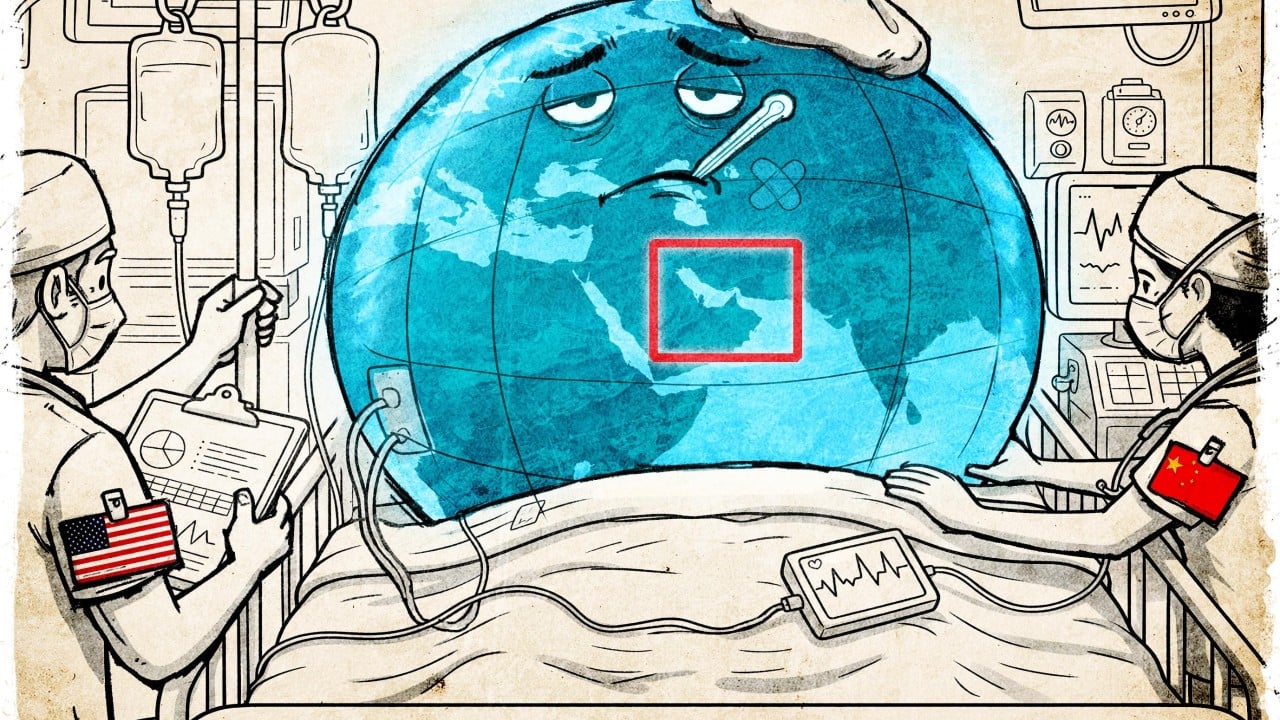
The security and stability of critical international waterways have become an increasingly urgent global concern, as evidenced by renewed tensions in the Strait of Hormuz following the end of a US-Iran memorandum of understanding.
Over the past decade, major maritime routes have faced disruptions from regional conflicts, geopolitical tensions, and escalating security risks. These challenges reveal a vulnerability in the global trading system: a key waterway does not need to be formally blocked for shipping to be constrained. Ships may face military threats, attacks, higher insurance premiums, sanctions, or arbitrary passage conditions, making safe, predictable, and cost-effective transit the central issue, rather than mere openness.
This distinction is crucial for both China and the United States. Global trade and energy transport depend on a limited number of chokepoints, including the Strait of Malacca, Strait of Hormuz, Panama Canal, and Suez Canal. Disruptions at any of these points can rapidly affect global markets through increased freight and insurance costs, supply chain delays, and rising energy prices.
China's dependence on maritime transport for trade and energy is particularly pronounced. The Strait of Malacca is vital for its commerce with the Middle East, Africa, and Europe, while the Strait of Hormuz is critical for energy flows. Beijing emphasizes that ensuring unimpeded passage through Hormuz serves the international community's common interest.
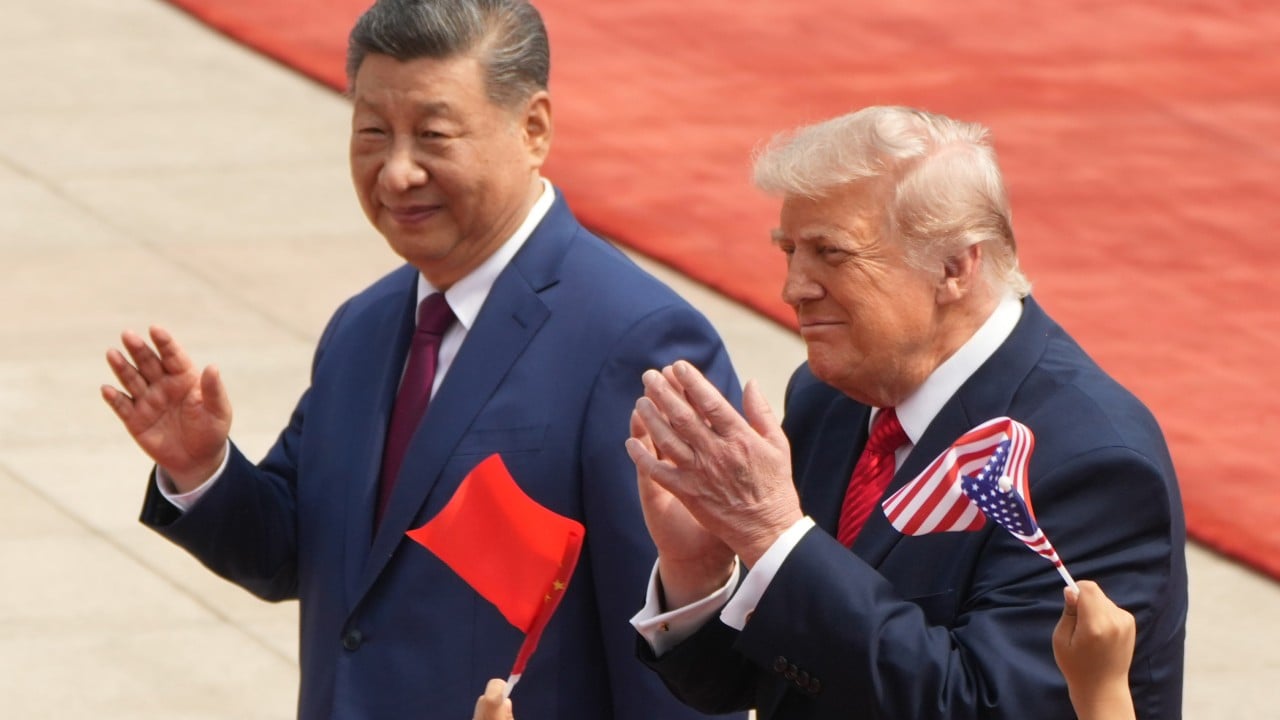
The US, while having different energy and trade patterns, is also deeply integrated into the global maritime system. Disruptions impose economic costs and necessitate increased US resources dedicated to protecting global maritime security. Therefore, cooperation between the two powers is presented as essential for maintaining the free and safe flow of global commerce.
About this summary
Originally published by South China Morning Post in English. Translated, summarized, and contextualized automatically by DistantNews, with a note on how the source frames the story. Not individually reviewed before publishing. How this works.
More Stories


From Our Blog

Countries Without a Free Press: What You Need to Know

What Press Freedom Means for the News You Read

What Gets Lost (and Found) When News Is Translated

The Critical Role of Diaspora Media in Global News

What Travellers Should Know About Countries with Restricted Press
