


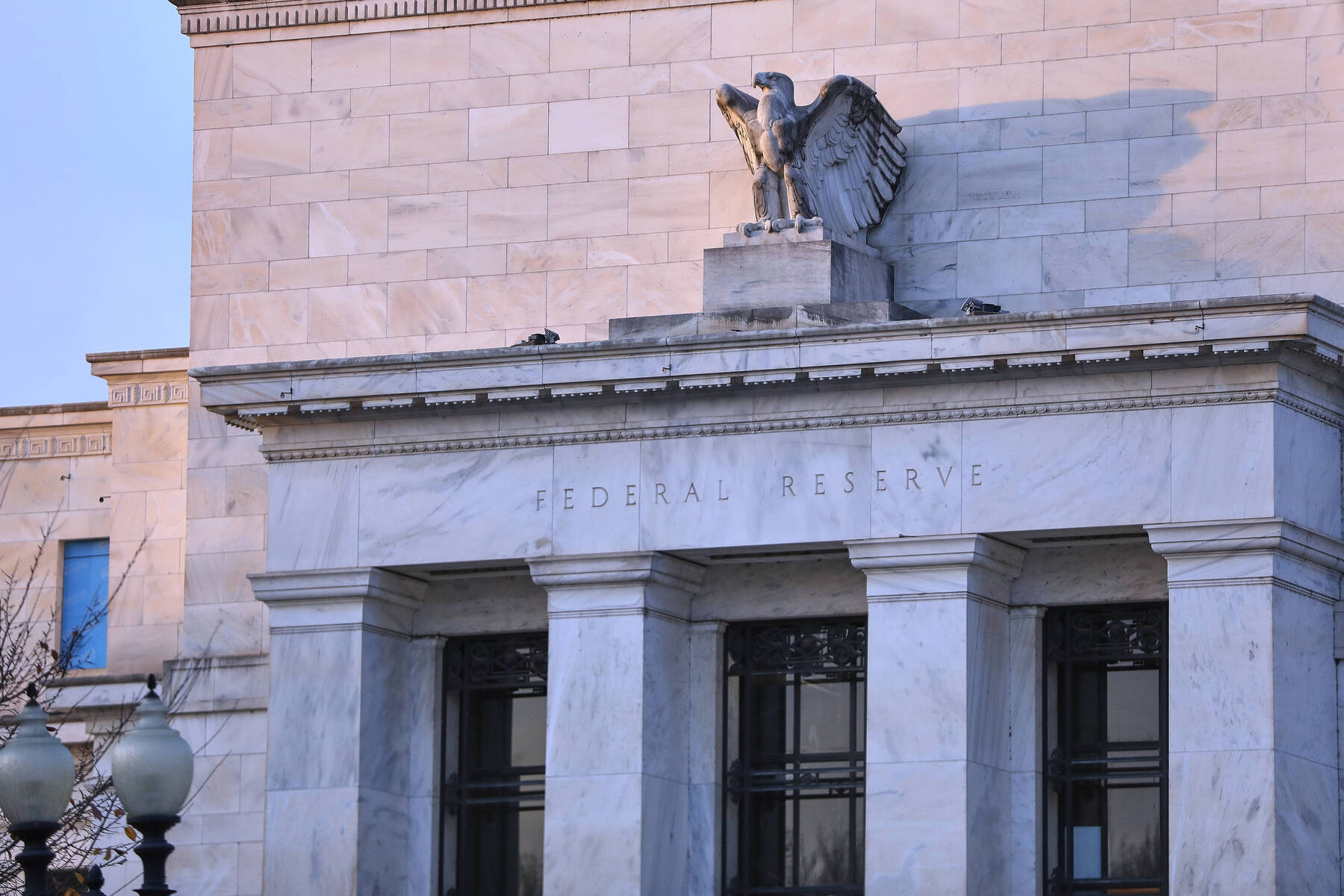
US Banks Pass Federal Reserve Stress Test Amid Recession Scenario
Translated from German, summarized and contextualized by DistantNews.
At a glance
News
From a news agency
New plan
- Major U.S. banks are well-prepared for severe economic crises, according to the Federal Reserve's annual stress test.
- The test simulated a global recession with a 10% unemployment rate and a one-third drop in housing prices, yet banks met minimum capital requirements.
- The results reinforce the banking system's strength, though the Fed will update capital buffer requirements after 2027.
U.S. banks have demonstrated their resilience in the face of severe economic downturns, according to the Federal Reserve's latest stress test. The annual exercise, designed to assess the health of the nation's largest financial institutions, simulated a harsh global recession. This scenario included a significant rise in unemployment to 10% and a drastic 33% fall in housing prices.
Despite these challenging conditions, all 32 leading banks tested, including giants like JPMorgan and Bank of America, maintained their minimum capital requirements. The Federal Reserve reported that the banks could withstand a hypothetical loss of over $700 billion. "The results underscored the strength of the banking system," stated Michelle Bowman, the Fed's Vice Chair for Supervision.
The stress test revealed that the banks' common equity tier 1 capital ratio, a key measure of financial health, fell from an average of 12.8% to 11.2% under the simulated stress. Individual bank performance varied, with Charles Schwab showing the highest ratio at 32.2% and First Citizens recording the lowest at 6.7%. The hypothetical losses were broken down across various portfolios, including approximately $200 billion in credit card portfolios, $160 billion in commercial loans, and $75 billion in commercial real estate.
Notably, the Fed announced it would not adjust individual bank capital buffers based on this year's results. These requirements will be updated after the 2027 stress test, following a revision of the Fed's models prompted by criticism from the financial industry. This stability in capital buffers provides banks with planning certainty for activities such as stock buybacks or dividend adjustments. However, analysts anticipate that banks may adopt a cautious approach, considering geopolitical and economic uncertainties and awaiting the implementation of new capital regulations.
The results underscored the strength of the banking system.
DistantNews Editorial
Originally published by Die Presse in German. Translated, summarized, and contextualized by our editorial team with added local perspective. Read our editorial standards.
More Stories


From Our Blog

What Gets Lost (and Found) When News Is Translated

The Critical Role of Diaspora Media in Global News

What Travellers Should Know About Countries with Restricted Press

A Digital Nomad's Guide to Following Local News

How the Same Story Looks Different in Different Countries
