

US Blockade Forces 21 Ships Back to Iran: CENTCOM
Translated from English, summarized and contextualized by DistantNews.
TLDR
- The U.S. Central Command (CENTCOM) reported that 21 vessels have turned back toward Iran since the U.S. initiated a naval blockade targeting Iranian ports.
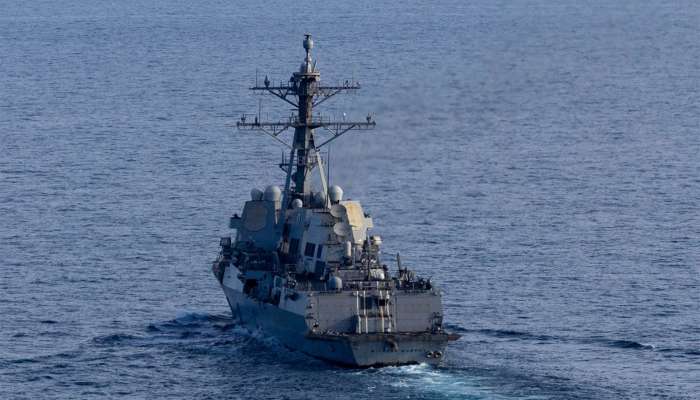
- The U.S. guided-missile destroyer USS Michael Murphy is patrolling the Arabian Sea to enforce the blockade.
- This action occurs amid heightened regional tensions, with Iran's Parliament Speaker criticizing U.S. President Trump's stance on continuing the blockade until a full agreement is reached.
The United States Central Command (CENTCOM) has announced a significant development in the maritime domain: 21 vessels have been compelled to alter course and return to Iran since the commencement of a U.S. naval blockade. This operation, enforced by assets like the USS Michael Murphy patrolling the Arabian Sea, aims to restrict access to Iranian ports amidst ongoing diplomatic engagements. The Times of Oman reports this as a measure taken amid heightened tensions in West Asia, underscoring the U.S.'s increased maritime presence to monitor and control shipping linked to Iran.
Guided-missile destroyer USS Michael Murphy (DDG 112) patrols the Arabian Sea, April 17, as U.S. forces enforce the naval blockade on ships attempting to enter or exit Iranian ports. Since commencement of the blockade, 21 ships have complied with direction from U.S. forces to turn around and return to Iran.
This enforcement action unfolds against a backdrop of sharp criticism from Iran. Speaker of Iran's Parliament, MB Ghalibaf, has directly challenged U.S. President Donald Trump's assertion that the blockade would persist until a comprehensive agreement is finalized. Ghalibaf's response, posted on X, asserted Tehran's strict control over maritime movement through the Strait of Hormuz, indicating that passage would be permitted only through designated routes and with Iranian approval. This exchange highlights the ongoing strategic maneuvering and rhetorical battles between the two nations.
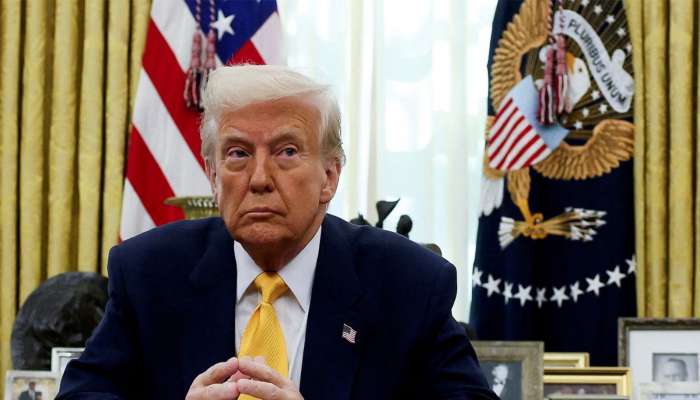
The naval blockade will remain in full force and effect as it pertains to Iran only, until such time as our transaction with Iran is 100% complete.
President Trump, via Truth Social, reiterated the U.S. stance, stating the naval blockade on Iranian ports would remain in effect until their "transaction with Iran is 100% complete," expressing an expectation for a swift resolution. This declaration follows Iran's announcement regarding the reopening of the strategic Strait of Hormuz, coinciding with a ceasefire between Israel and Lebanon. Despite this de-escalation in certain areas, Washington maintains its economic and military pressure on Tehran, signaling a complex and multifaceted approach to regional diplomacy and security. The situation underscores the delicate balance of power and the continued strategic importance of maritime routes in the Persian Gulf.
maritime movement through the Strait of Hormuz will be strictly controlled by Tehran, stating that passage will be allowed only through designated routes and under Iranian approval.
DistantNews Editorial
Originally published by Times of Oman in English. Translated, summarized, and contextualized by our editorial team with added local perspective. Read our editorial standards.
More Stories
From Our Blog

What Gets Lost (and Found) When News Is Translated

The Critical Role of Diaspora Media in Global News

What Travellers Should Know About Countries with Restricted Press

A Digital Nomad's Guide to Following Local News

How the Same Story Looks Different in Different Countries
