

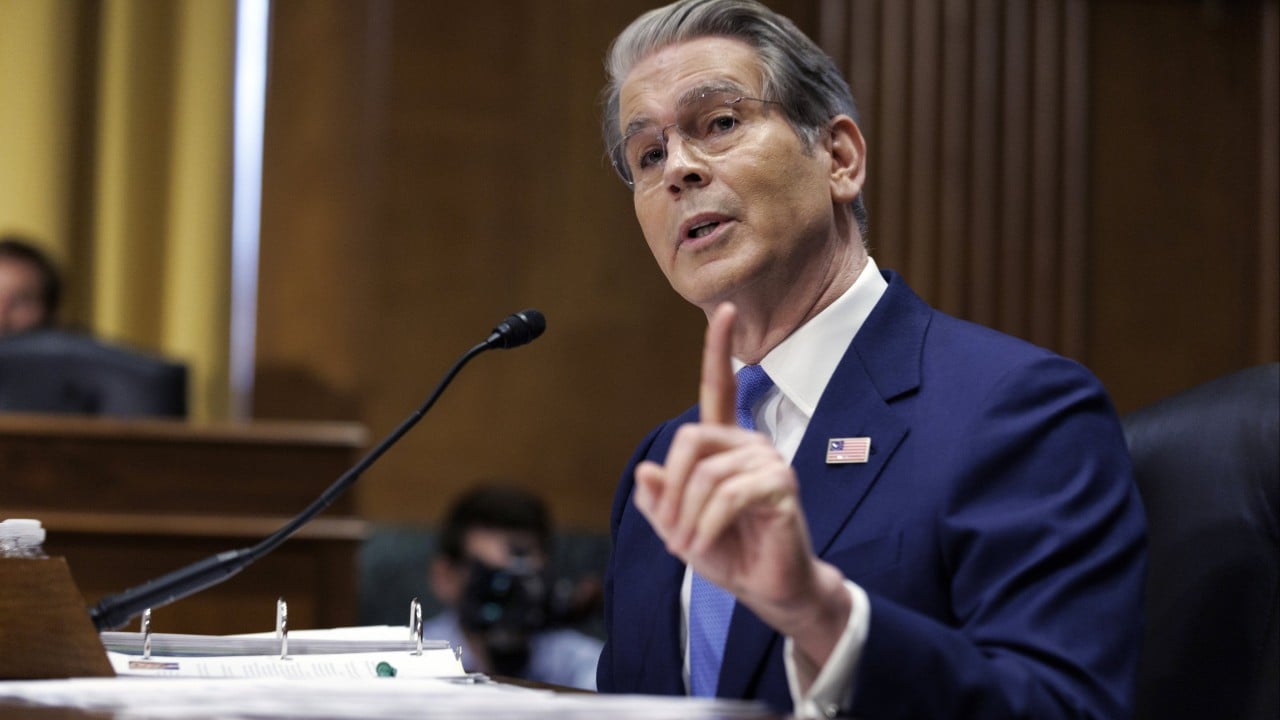
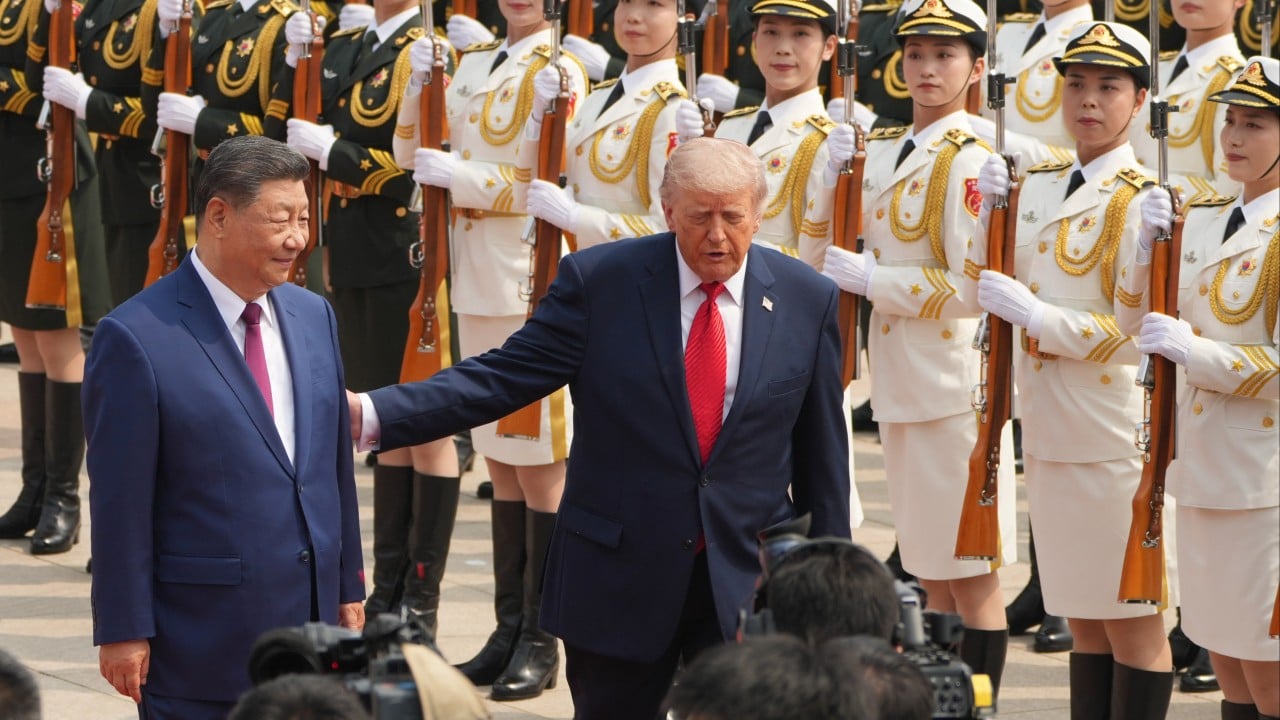
US-China policy under Donald Trump is heading for ‘unpredictable drift’: expert
Summarized and contextualized by DistantNews.
At a glance
News
Named sources
New plan
- The Quad Critical Minerals Initiative Framework, launched on May 26, aims to reduce global reliance on China for rare earth elements, pooling up to $20 billion.
- Security measures include a maritime surveillance collaboration to enhance regional information sharing in the Indo-Pacific.
- New initiatives also focus on energy security and a pilot port infrastructure project in Fiji, signaling a strategic push by member states.
The Quadrilateral Security Dialogue (Quad) has launched a strategic initiative to curb global dependence on China for critical minerals, including rare earth elements. The Quad Critical Minerals Initiative Framework, announced on May 26, involves member states pooling resources up to $20 billion to bolster supply chain security.
On the security front, the bloc, established nearly two decades ago to counter China's growing influence in the Indo-Pacific, unveiled a maritime surveillance collaboration. This initiative aims to integrate regional information sharing among member states, enhancing their collective awareness and response capabilities in the maritime domain.
Further strengthening regional ties, the Quad introduced an energy security initiative designed to bolster fuel networks across the region. Additionally, a pilot port infrastructure project in Fiji was announced, underscoring the group's commitment to tangible development and strategic presence in the Pacific.
The meeting, which included U.S. Secretary of State Marco Rubio and foreign ministers from Australia, India, and Japan, took place in New Delhi. The initiatives reflect a concerted effort by the Quad members to diversify critical supply chains, enhance regional security, and promote economic stability independent of Beijing's dominance.
DistantNews Editorial
Originally published by South China Morning Post. Summarized and contextualized by our editorial team with added local perspective. Read our editorial standards.
More Stories
From Our Blog

Countries Without a Free Press: What You Need to Know

What Press Freedom Means for the News You Read

What Gets Lost (and Found) When News Is Translated

The Critical Role of Diaspora Media in Global News

What Travellers Should Know About Countries with Restricted Press
